
2mo
Share




This systematic review found that ready-to-use therapeutic foods (RUTFs) with improved omega-3 fatty acid profiles and lower n-6:n-3 ratios enhanced neurodevelopmental scores, DHA status, and survival in children with severe acute malnutrition.
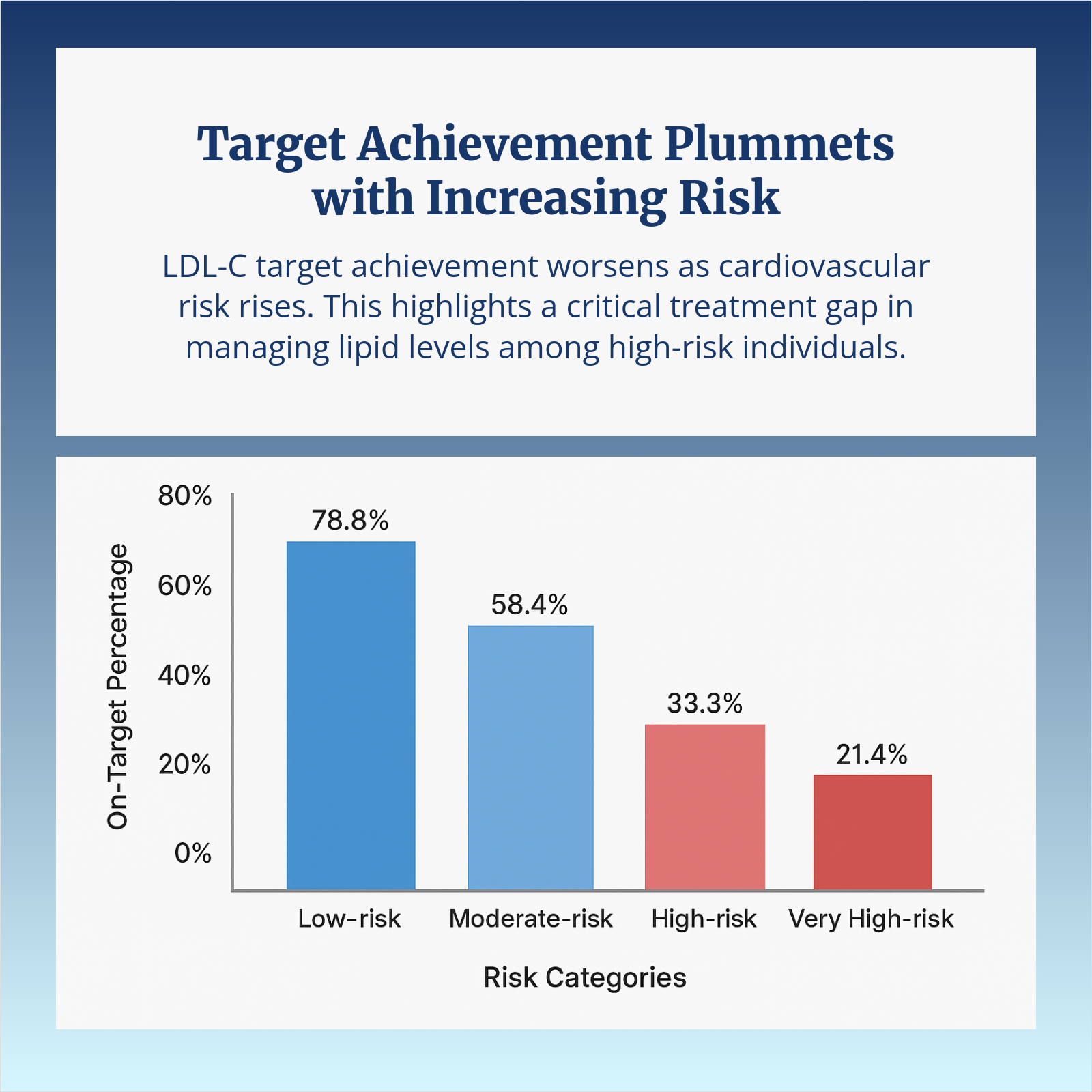
I go by family history. If their LDL is greater than 180 I start with high dose statin and zetia. If we do not reach goal levels, I would add a PCSK9 drug. If patient does not want an injection, I may try Benpendoic acid. In some patients, aphorisms is needed

Source : https://pubmed.ncbi.nlm.nih.gov/38472726/
Several drugs can be used for treating inflammatory skin pathologies like dermatitis and psoriasis. However, for the management of chronic and long-term cases, topical administration is preferred over oral delivery...
A novel cyclosporin A–loaded lipid vesicle microneedle system enhanced skin delivery, reduced inflammation, and improved histological outcomes in dermatitis models, offering a safe, targeted alternative to corticosteroid-based therapies for chronic inflammatory skin conditions.
Endocrine dysfunction is an under-recognized but significant driver of morbidity and mortality in the critically ill. This review highlights how biomarkers enable earlier detection, diagnosis, and monitoring of life-threatening endocrine crises—such as adrenal insufficiency, thyroid storm, and hyperglycemic emergencies—that may initially present with non-specific symptoms.
Highlights:
• Biomarkers—classified as prognostic, predictive, pharmacodynamic, or exposure-related—help guide both diagnosis and treatment decisions.
• Established markers include TSH for thyroid disease, cortisol for adrenal insufficiency, IGF-1 for growth hormone deficiency, and HbA1c for glycemic status.
• Advantages include earlier, objective detection and individualized therapy; limitations involve sensitivity, clinical validation, and interpretive complexity.
• Emerging tools like extracellular vesicles, serum diiodotyrosine, and neutrophil gelatinase-associated lipocalin (NGAL) may offer precision diagnostics.
• Advances in multiplexed and ultra-sensitive detection platforms are improving accuracy and accelerating clinical adoption.
What sets this study apart:
It synthesizes current and emerging biomarker evidence, positioning these tools to shift critical care endocrinology from reactive to precision-guided, proactive management.
Limitations:
Many novel markers lack large-scale validation. Regulatory hurdles and workflow integration also limit clinical translation in intensive care.
How are you leveraging biomarkers to detect endocrine crises earlier in the ICU? Could multiplex technology help improve diagnostic accuracy and resource utilization in your unit?