micro-community-banner
 
Profile Image
  • Saved

Did you know? Hormonal imbalances can subtly influence lipid metabolism, insulin sensitivity, body weight, and renal function. Disruptions in calcium, vitamin D, and magnesium signaling may amplify cardiometabolic risk, underscoring the need for integrated endocrine monitoring across obesity, diabetes, and lipid disorders to support long-term metabolic health.

Could a more holistic approach to hormonal monitoring improve cardiometabolic outcomes across diverse metabolic conditions?

 NCCN Guidelines

Could a more holistic approach to hormonal monitoring improve cardiometabolic outcomes across diverse metabolic conditions?

Profile Image
  • Saved
Background Image DesktopBackground Image Mobile

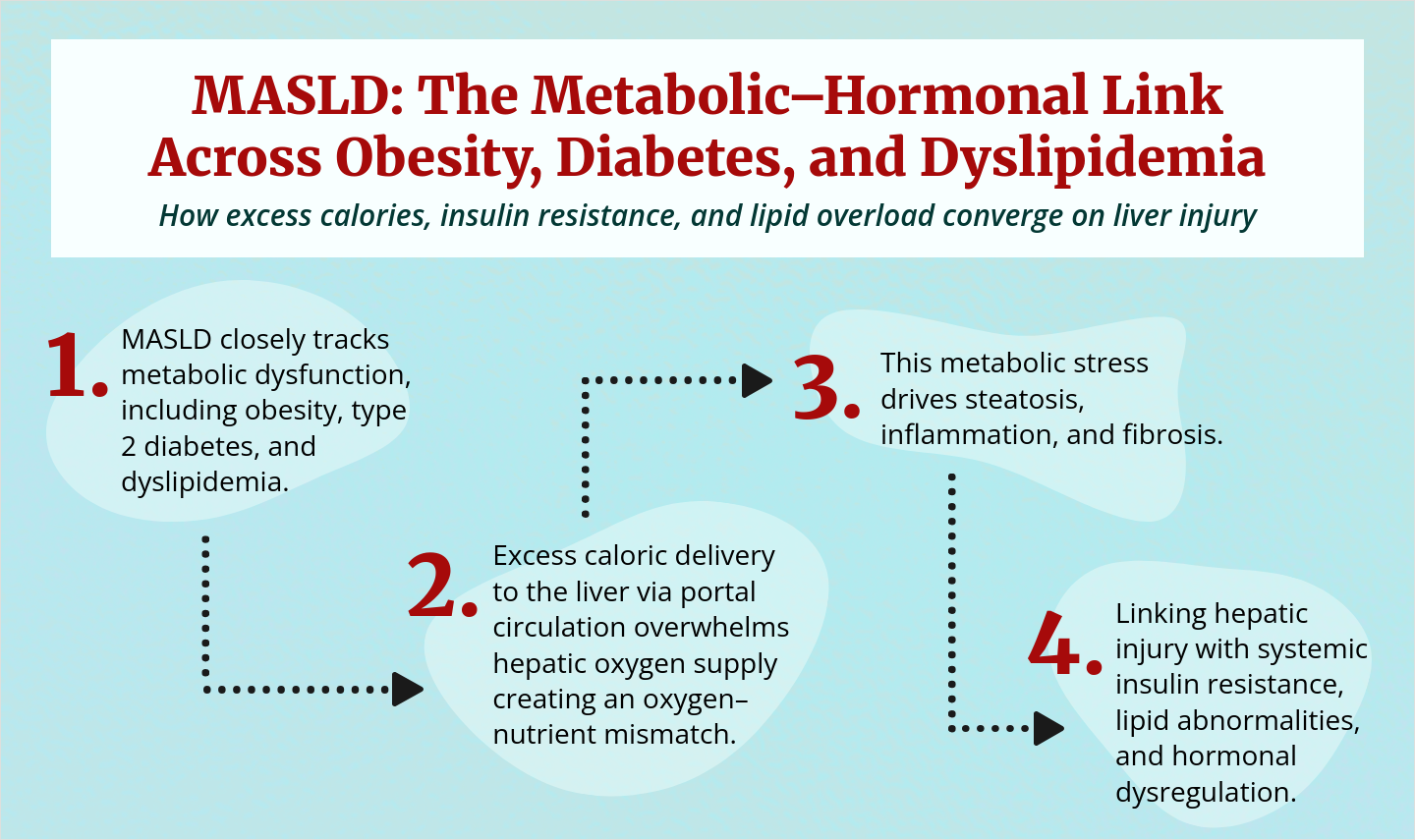
Emerging evidence links hormonal imbalance to metabolic dysfunction, oxidative stress, and elevated cardiovascular risk. Conditions marked by insulin resistance, dyslipidemia, and obesity share disrupted endocrine signaling that accelerates cardiometabolic complications across populations.

Explore endocrine–metabolic connections

Profile Image
  • Saved
Profile Image
  • Saved
Efficacy and Safety of Steamed Ginger Extract for Body Weight and Body Fat Reduction in Overweight Adults: A Randomized, Double-Blind, Placebo-Controlled Clinical Trial - PubMed

Efficacy and Safety of Steamed Ginger Extract for Body Weight and Body Fat Reduction in Overweight Adults: A Randomized, Double-Blind, Placebo-Controlled Clinical Trial - PubMed

Source : https://pubmed.ncbi.nlm.nih.gov/41599979/

Twelve weeks of GGE03 supplementation were associated with statistically significant improvements in body composition and lipid parameters without safety concerns. These findings support the potential of GD-standardized GGE03 as a...

This randomized trial shows GD-standardized steamed ginger extract significantly reduced body fat, weight, and lipid levels over 12 weeks in overweight adults, with good tolerability and no safety concerns.

Profile Image
  • Saved

Randomized trial found opportunistic genomic screening for familial hypercholesterolemia with telegenetic counseling showed no statistically significant LDL-C reduction, though trends suggested modest benefit and increased treatment intensification.

Profile Image