



Incidence and Risk Factors of Immediate Hypersensitivity Reactions and Immunisation Stress-related Responses with COVID-19 mRNA Vaccine
Source : https://www.medrxiv.org/content/10.1101/2022.01.12.22269134v1
Background With the implementation of mass vaccination campaigns against COVID-19, the safety of vaccine needs to be evaluated. Objective We aimed to assess the incidence and risk factors for immediate...
Conclusion: In the mass vaccination settings, the Moderna vaccine can be used safely owing to the low incidence rates of IHSR and anaphylaxis. However, providers should beware of the occurrence of ISRR. Risk factor identification may contribute to the stratification of high-risk recipients for IHSR and ISRR.

Nearly 1 in 7 COVID patients in ICU experienced severe bleeding when given full-dose blood thinners, study finds: Research finds smaller dose of blood thinners is equally effective for blood clots and carries less bleeding risk
Source : https://www.sciencedaily.com/releases/2022/01/220128141330.htm
Patients with COVID-19 in the intensive care unit (ICU) prescribed full-dose blood thinners are significantly more likely to experience heavy bleeding than patients prescribed a smaller yet equally effective dose,...
Nearly 14% of patients who received full-dose blood thinners experienced a significant bleeding event, compared to only 3% of patients who received a higher-than-standard dosage. All patients who experienced bleeding events were mechanically ventilated. No difference was reported in the regimens' effectiveness at treating blood clots.

Impact of newly diagnosed diabetes on COVID‐19 severity and hyperglycemia
Source : https://onlinelibrary.wiley.com/doi/abs/10.1111/jdi.13754
Corresponding Author Ryotaro Bouchi Department of Diabetes, Endocrinology and Metabolism, National Center for Global Health and Medicine, Toyama 1-21-1, Shinjuku-ku, Tokyo, 162-8655 Japan Diabetes and Metabolism Information Center, Research Institute,...
Conclusions: Our study suggests that the proportion of COVID-19 patients who are newly diagnosed with diabetes is high, and they have an increased risk of developing severe disease than those with pre-existing diabetes. It may be advisable that at the point of COVID-19 diagnosis, blood glucose and HbA1c levels be assessed in all patients.

Extracellular vimentin is an attachment factor that facilitates SARS-CoV-2 entry into human endothelial cells
Source : https://www.pnas.org/content/119/6/e2113874119
Human angiotensin-converting enzyme 2 (ACE2) is the most widely known entry receptor for SARS-CoV-2. The possible involvement of other cellular components in viral entry mechanisms remains unknown. Vimentin is expressed...
Significance: Human angiotensin-converting enzyme 2 (ACE2) is the most widely known entry receptor for SARS-CoV-2. The possible involvement of other cellular components in viral entry mechanisms remains unknown. Vimentin is expressed in human endothelial cells, binds to SARS-CoV-2-spike, and expedites SARS-CoV-2 entry. Treatment of lung...
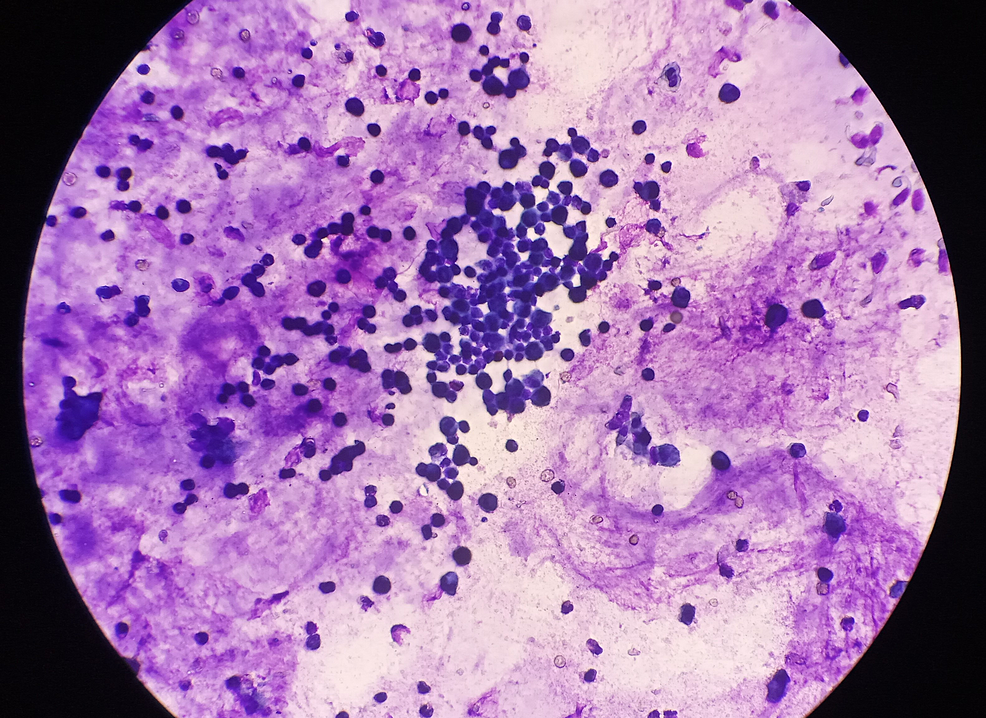
Achromobacter xylosoxidans Purulent Bronchitis in a Previously Healthy Child: An Unexpected Consequence of COVID-19 Infection
Achromobacter xylosoxidans is an aerobic, Gram-negative rod with a broad intrinsic and acquired antimicrobial resistance, usually isolated in patients with cystic fibrosis (CF), immunodeficiencies, or those undergoing invasive procedures. We...
Since the patient had positive serological testing for coronavirus disease 2019 (COVID-19), we concluded that it was the initial viral infection, although of a mild clinical course, the one that created favorable conditions for proliferation and further inflammation caused by A. xylosoxidans.