




Cardiometabolic and Renal Phenotypes and Transitions in the United States Population
Source : https://www.ncbi.nlm.nih.gov/pmc/articles/PMC7615595/
Cardiovascular and renal conditions have both shared and distinct determinants. In this study, we applied unsupervised clustering to multiple rounds of the National Health and Nutrition Examination Survey from 1988...
The cardiometabolic and renal traits of the US population have shifted from phenotypes with high blood pressure and cholesterol toward poor kidney function, hyperglycemia, and severe obesity.

Ceramides Improve Cardiovascular Risk Prediction Beyond Low-Density Lipoprotein Cholesterol
Source : https://www.ncbi.nlm.nih.gov/pmc/articles/PMC10826640/
Low-density lipoprotein cholesterol (LDL-C) is the best documented cardiovascular risk predictor and at the same time serves as a target for lipid-lowering therapy. However, the power of LDL-C to predict...
Ceramides- and phosphatidylcholine-based predictors rather than LDL-C may be used for a more accurate cardiovascular risk prediction in patients at high risk.
Presence of familial hypercholesterolemia variants was associated with a 2-fold higher risk of coronary heart disease, even when LDL-C levels were moderately elevated.

Effect of Supplementation With Probiotics or Synbiotics on Cardiovascular Risk Factors in Patients With Metabolic Syndrome: a Systematic Review and Meta-Analysis of Randomized Clinical Trials
Source : https://www.ncbi.nlm.nih.gov/pmc/articles/PMC10801034/
The effectiveness of probiotics or synbiotics in adults with metabolic syndromes (MetS) remains controversial, this meta-analysis will further analyze the effects of probiotics or synbiotics on cardiovascular factors in adults...
Supplementation with probiotics or synbiotics can reduce BMI, LDL-C, and fasting blood glucose in patients with metabolic syndrome, but the findings did not demonstrate a favorable effect on reducing systolic blood pressure.

Competing Genetic Traits and Their Influence on LDL Cholesterol Concentration in Familial Hypercholesterolemia
Source : https://www.ncbi.nlm.nih.gov/pmc/articles/PMC10801839/
Familial hypercholesterolemia is a monogenic disorder that leads to premature atherosclerosis as a result of lifelong exposure to elevated low-density lipoprotein cholesterol (LDL-C). Both genetic traits and lifestyle factors can...
Patients with a family history of hypercholesterolemia and significantly elevated LDL-C without other major comorbidities can be evaluated with genetics to further elucidate their overall CV risk profile and alter management.

Multi-Trajectories of Triglyceride-Glucose Index and Lifestyle With Cardiovascular Disease: a Cohort Study
Source : https://pubmed.ncbi.nlm.nih.gov/38093279/
Distinct multi-trajectories of TyG levels and lifestyle scores corresponded to differing CVD risks. The CVD risk caused by a high level TyG trajectory remained increased despite adopting healthier lifestyles. These...
The CVD risk caused by a high-level triglyceride-glucose trajectory remained increased despite study participants adopting healthier lifestyles.

Lipoprotein-Associated Phospholipase A2 Predicts Cardiovascular Death in Patients on Maintenance Hemodialysis: a 7-Year Prospective Cohort Study
Source : https://www.ncbi.nlm.nih.gov/pmc/articles/PMC10785463/
Cardiovascular diseases (CVD) is the leading cause of death among maintenance hemodialysis patients, with dyslipidemia being a prevalent complication. The paradoxical relationship between cardiovascular outcomes and established lipid risk markers,...
In this study, when stratified by median values or when assessed as a continuous variable, elevated Lp-PLA2 activity is consistently associated with an increased risk of CV mortality and the occurrence of MACEs.
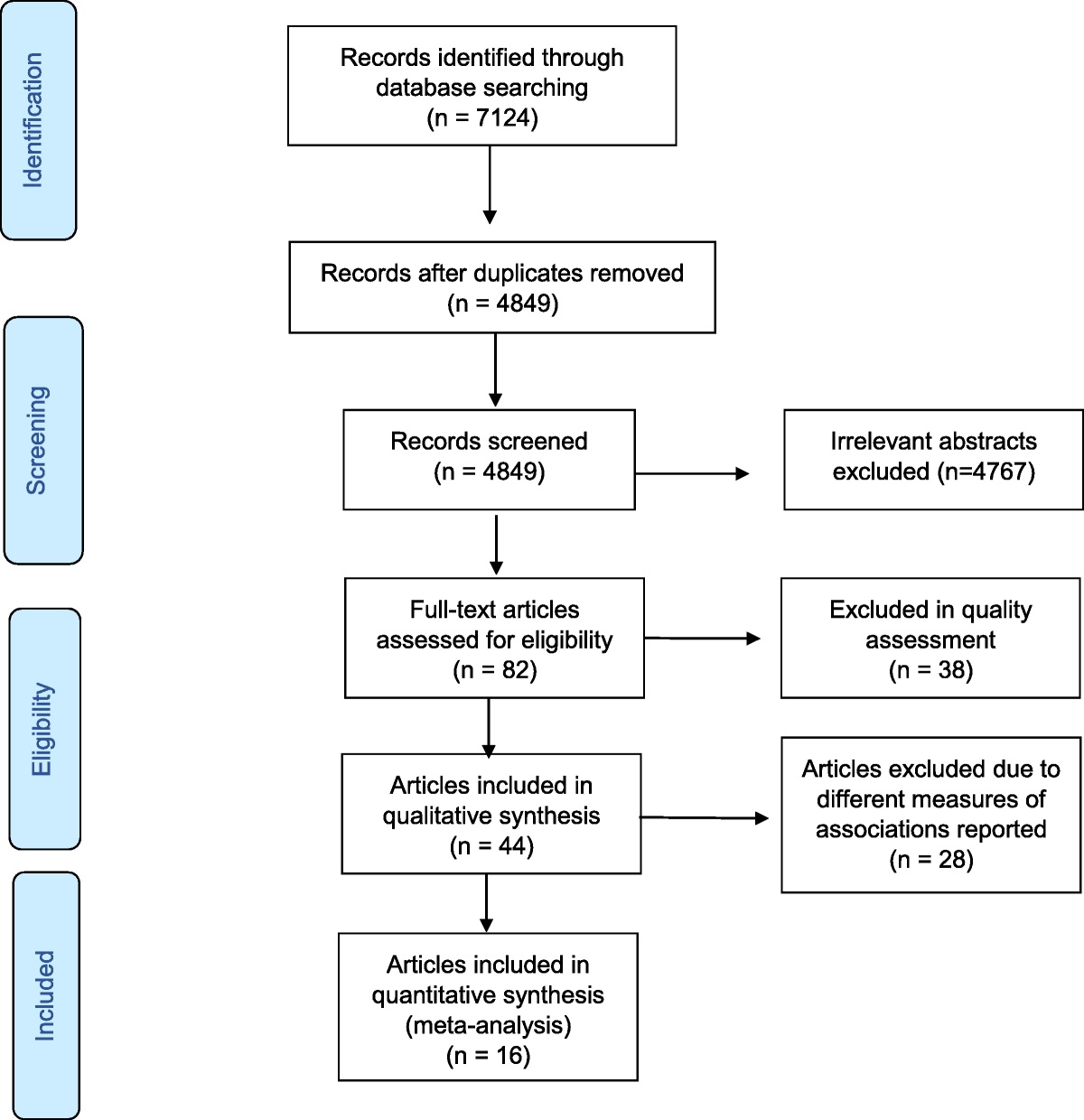
The Association of Menopause With Cardiometabolic Disease Risk Factors in Low- and Middle-Income Countries: a Systematic Review and Meta-Analyses
This would better inform early monitoring and intervention strategies for reducing CMD risk factor levels in midlife women in these regions. Objective This study aimed to evaluate evidence from the...
Compared with premenopausal women, the postmenopausal stage was associated with metabolic syndrome, high waist-to-hip ratio, hypertension, elevated triglycerides, and elevated plasma glucose.

Effects of Proprotein Convertase Subtilisin-Kexin Type 9 Inhibitors on Inflammatory and Hemostatic Parameters in Post Myocardial Infarction Patients
Source : https://pubmed.ncbi.nlm.nih.gov/38070635/
Despite progress in treatment, elevated levels of low-density lipoprotein cholesterol (LDL-C) and lipoprotein (a) (Lp(a)), represent a significant part of the residual risk. Both are associated with inflammation and the...
These results show that inflammatory cytokines and fibrinolytic parameters are related to LDL-C and not Lp(a) in patients postmyocardial infarction before and with neither of them following PCSK9 inhibitor treatment.

Significant Gap Between Guidelines and Practice in the Management of LDL Cholesterol: Insight From the Survey of the Korean Society of Myocardial Infarction
Source : https://pubmed.ncbi.nlm.nih.gov/38147840/
The Guidelines of the 2019 European Society of Cardiology (ESC) and the 5th Society of Lipid and Atherosclerosis (KSoLA) for the Management of Dyslipidemia advocate a more intensive lipid-lowering strategy....
A substantial disparity exists between lipid management guidelines and current clinical practices, highlighting the necessity for clinical research that specifically targets East Asians and Koreans to bridge this gap.

Glycemic Variability and Time in Range Are Associated With the Risk of Overweight and High LDL-Cholesterol in Children and Youths With Type 1 Diabetes
Source : https://pubmed.ncbi.nlm.nih.gov/38104553/
CGM metrics of glycaemic control and variability were significantly associated with the risk of overweight in females and high LDL-c in both sexes.
Continuous glucose monitoring metrics of glycemic control and variability were significantly associated with the risk of overweight in girls and high LDL-C in both sexes.
Genetic Insights Into the Association of Statin and Newer Nonstatin Drug Target Genes With Human Longevity: a Mendelian Randomization Analysis
Source : https://lipidworld.biomedcentral.com/articles/10.1186/s12944-023-01983-0
It remains controversial whether the long-term use of statins or newer nonstatin drugs has a positive effect on human longevity. Therefore, this study aimed to investigate the genetic associations between...
Lipid-related gene targets, such as PCSK9, CETP, and APOC3, might potentially regulate human lifespan, thus offering promising prospects for developing newer nonstatin therapies.
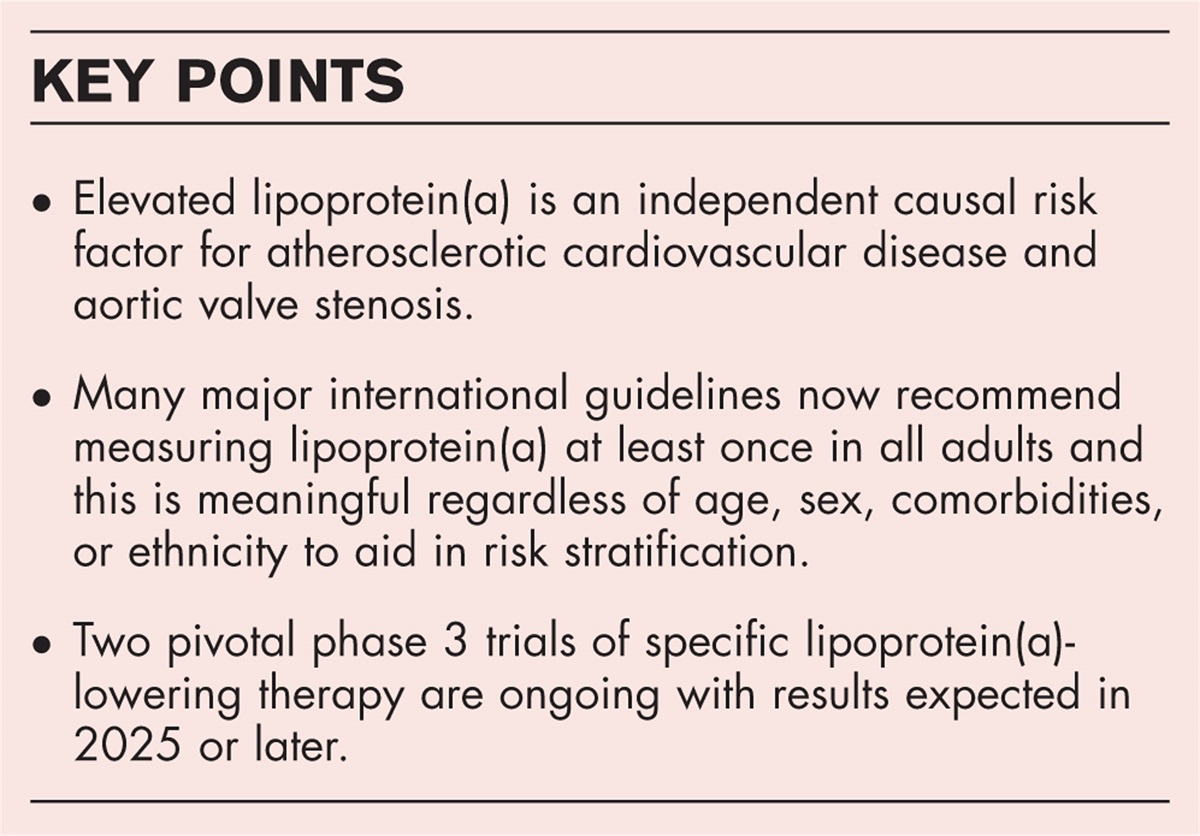
Measuring Lipoprotein(a) for Cardiovascular Disease Prevention - In Whom and When?
Many international guidelines now recommend once in a lifetime measurement of lipoprotein(a) in all adult individuals to facilitate accurate risk prediction. Lipoprotein(a)-lowering therapy to reduce cardiovascular disease is on the...
Many international guidelines now recommend once in a lifetime measurement of lipoprotein(a) in all adult individuals to facilitate accurate risk prediction. Lipoprotein(a)-lowering therapy to reduce cardiovascular disease is on the horizon, with results from the first phase 3 trial expected in 2025.
Heart Failure Treatment in 2023: Is There a Place for Lipid Lowering Therapy?
Source : https://link.springer.com/article/10.1007/s11883-023-01166-3
An evidence for lipid lowering therapy in heart failure is briefly summarized in this review. Heart failure therapy is based on recent guidelines for diagnosis and treatment of acute and...
PCSK9 inhibitors, new lipid-lowering drugs, are very effective in LDL-C lowering and prevention of ASCVD. The role of PCSK9 inhibitors in HF treatment is investigated.

Dyslipidaemia as a Target for Atherosclerotic Cardiovascular Disease Prevention in Children With Type 1 Diabetes: Lessons Learned From Familial Hypercholesterolaemia
Source : https://pubmed.ncbi.nlm.nih.gov/38032368/
In the last few decades, atherosclerotic cardiovascular disease (ASCVD) risk has decreased dramatically among individuals affected by familial hypercholesterolaemia (FH) as a result of the early initiation of statin treatment...
Although the pathogenesis of ASCVD in type 1 diabetes is multifactorial, and long-term trials of lipid-lowering therapy in children, including imaging, are lacking, there is a strong rationale for early and aggressive ASCVD risk management in children with type 1 diabetes, with an increasing role for statins.

PCSK9 Inhibitors: Current Status and Emerging Frontiers in Lipid Control
Source : https://pubmed.ncbi.nlm.nih.gov/37996219/
Among PCSK9 inhibitors, monoclonal antibodies represent a cornerstone. Many trials have showed their efficacy in reducing LDL-C and the risk for major adverse clinical events, revealing long-lasting effects, with special...
Monoclonal antibodies, gene silencing, binding peptides, and active immunization are among the innovative pharmacologic strategies being explored for PCSK9 inhibition.

Health Economics of Detection and Treatment of Children With Familial Hypercholesterolemia: to Screen or Not to Screen Is No Longer the Question
Here, we review the recent literature on health economic outcomes for the detection and management of FH in children. Recent findings A targeted literature review identified eight studies evaluating detection...
Detection and management of HeFH in pediatric populations was cost effective, regardless of the age of the children.
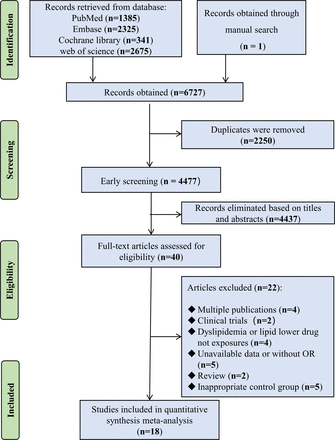
Association Between Dyslipidaemia and Dry Eye Disease: a Systematic Review and Meta-Analysis
Source : https://bmjopen.bmj.com/content/13/11/e069283.long
PubMed, Embase, Web of Science and Cochrane Library were systematically searched from January 2000 to December 2021. We included observational studies to assess the correlation of DED with meibomian gland...
A history of lipid-lowering drug use was positively correlated with a significantly increased risk of dry eye disease.

Bempedoic Acid - How Will it Shape the Future Lipid-Lowering Landscape? Mode of Action, Evidence, and Clinical Use
Source : https://pubmed.ncbi.nlm.nih.gov/37989119/
Background Low density lipoproteins are now proven to be causal for atherosclerosis. Pharmacological treatment focuses on an increase of LDL receptors, particularly in the hepatocyte, which leads to uptake of...
BA alone and in combination with ezetimibe is excellent for the treatment of patients who are not at goal after either statin therapy or, if statins are not tolerated, after PCSK9-reducing therapy.

Clinical Competence, Communication Ability and Adherence to Choosing Wisely Recommendations for Lipid Reducing Drug Use in Older Adults
Source : https://www.ncbi.nlm.nih.gov/pmc/articles/PMC10662284
Although lipid-lowering drugs are not recommended for primary prevention in patients 75+, prevalence of use is high and there is unexplained variation in prescribing between physicians.
More clinically competent physicians were more likely to prescribe lipid-lowering drug for primary prevention but only to patients aged 75 years or older.