



Interplay between microRNAs, Serum Proprotein Convertase Subtilisin/Kexin Type 9 (PCSK9), and Lipid Parameters in Patients with Very High Lipoprotein(a) Treated with PCSK9 Inhibitors - PubMed
Source : https://pubmed.ncbi.nlm.nih.gov/36980904/
The .gov means it's official. Federal government websites often end in .gov or .mil. Before sharing sensitive information, make sure you're on a federal government site. The site is secure....
Conclusions/Relevance: Our results support a role for miR-483-5p in regulating circulating PCSK9 in vivo. The difference in expression of miR-191-5p, miR-224-5p, and miR-337-3p between patients and control subjects suggests their possible role in the pathogenesis of coronary artery disease.
efficacy of PCSK9 inhibitors on major cardiovascular events and lipid profile in patients with diabetes: a systematic review and meta-analysis of randomized controlled trials
You do not currently have access to this article. The efficacy of PCSK9 inhibitors on major cardiovascular events and lipid profile in patients with diabetes: a systematic review and meta-analysis...
Conclusions: PCSK9i appear to be effective in reducing the risk of MACE and in improving lipid profiles of subjects with diabetes and dyslipidemia.
PCSK9 Inhibitors Reduce PCSK9 and Early Atherogenic Biomarkers in Stimulated Human Coronary Artery Endothelial Cells - PubMed
Source : https://pubmed.ncbi.nlm.nih.gov/36982171/
Despite reports on the efficacy of proprotein convertase subtilisin-Kexin type 9 (PCSK9) inhibitors as a potent lipid-lowering agent in various large-scale clinical trials, the anti-atherogenic properties of PCSK9 inhibitors in...
Conclusions/Relevance: The anti-atherogenic effects of evolocumab and alirocumab were contributed to by the downregulation of PCSK9, early atherogenesis biomarkers, and the significant inhibition of monocyte adhesion to the endothelial cells via the NF-ĸB and eNOS pathways. These suggest the beyond cholesterol-lowering beneficial effects of...

Investigation of the impact of rosuvastatin and telmisartan in doxorubicin-induced acute cardiotoxicity
Source : https://www.sciencedirect.com/science/article/pii/S0753332222010629?via=ihub
Cardiac injury is the main dose-limiting factor for doxorubicin (Dox) use as an anticancer agent. The cardiotoxicity of Dox is linked to a number of c...
Conclusions/Relevance: This study points out the beneficial use of both rosuvastatin and telmisartan alone or in combination as a clinical option for decreasing the acute toxicity of Dox on cardiomyocytes.
Characteristics and lipid lowering treatment patterns in patients tested for lipoprotein(a): A real-world US study
Source : https://www.sciencedirect.com/science/article/pii/S2666667723000181?via=ihub
Elevated lipoprotein(a) [Lp(a)] is a risk factor for atherosclerotic cardiovascular disease (ASCVD) and has no approved pharmacotherapies. Limited real-world data exists on the proportion of patients with available Lp(a) test...
Conclusions: Lp(a) screening was rare. Elevated Lp(a) was observed in more than one-quarter of patients receiving LLTs, with the highest mean Lp(a) levels observed in Black patients. Low adherence to LLTs was prevalent and at least half of patients failed to achieve their respective LDL-C target thresholds despite treatment. Finally, high...
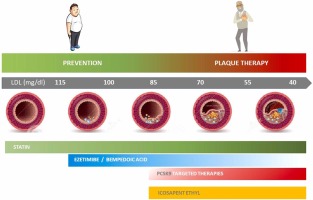
Lipid lowering combination therapy: From prevention to atherosclerosis plaque treatment
Source : https://www.sciencedirect.com/science/article/pii/S1043661823000944?via=ihub
Statins have contributed to the prevention of numerous atherosclerotic cardiovascular (CV) events and cardiovascular deaths in the past three decades....
Conclusions/Relevance: Strategies implementing combination therapies from early stages or even from the outset may increase the number of patients attaining LDLc goals, thereby preventing new CV episodes and improving existing atherosclerotic lesions.
Conclusions and Relevance: In this study, statin use for primary prevention of ASCVD was low among all race and ethnicity groups regardless of ASCVD risk, with the lowest use occurring among Black and Hispanic adults. Improvements in access to care may promote equitable use of primary prevention statins in Black and Hispanic adults.
Concomitant use of statins and sodium-glucose co-transporter 2 inhibitors and the risk of myotoxicity reporting - A disproportionality analysis - PubMed
Source : https://pubmed.ncbi.nlm.nih.gov/36912450/
The .gov means it's official. Federal government websites often end in .gov or .mil. Before sharing sensitive information, make sure you're on a federal government site. The site is secure....
Conclusion: There was no increased risk of myotoxicity reporting associated with concomitant use of SGLT2i and statins or for specific drug pairs.
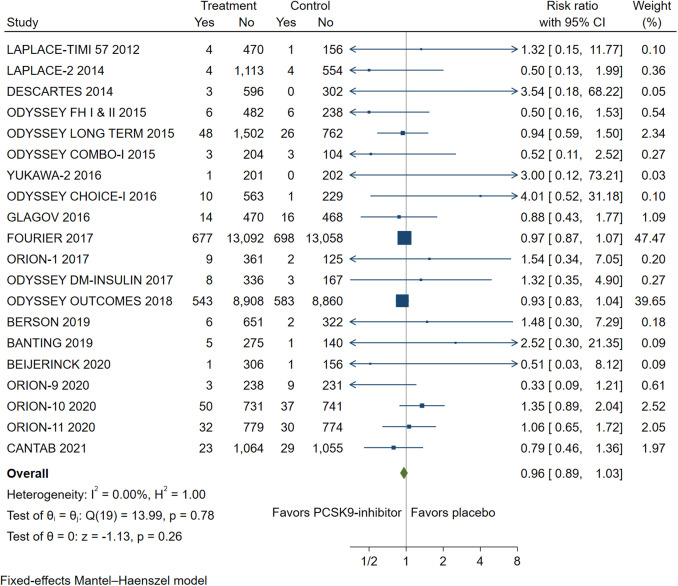
The association between PCSK9 inhibitor use and sepsis - A systematic review and meta-analysis of 20 double-blind, randomized, placebo-controlled trials
Source : https://www.amjmed.com/article/S0002-9343(23)00144-4/fulltext
Proprotein convertase subtilisin/kexin type 9 (PCSK9) inhibitors are novel, potent lipid-lowering therapies that have been recommended for patients with familial hypercholesterolemia or those with established cardiovascular disease (CVD) for CVD...
Conclusion: There was neither a beneficial nor a harmful association between PCSK9 inhibitors and risk of sepsis or severe infections. These findings provide reassurance regarding the safety of PCSK9 inhibitors in patients who are concerned about potential drug side effects related to infections.
Clinical characteristics and outcomes of Chinese patients with coronary heart disease and resistant hypertension - PubMed
Source : https://pubmed.ncbi.nlm.nih.gov/36929173/
There is currently few research on clinical characteristics and outcomes of coronary heart disease (CHD) with resistant hypertension in central region of China. This study aimed to assess the risk...
Conclusion: Resistant hypertension was a quite common and high proportion finding in patients with CHD and hypertension in central region of China, and these patients have a worse clinical prognosis.
Coronary artery calcium, hepatic steatosis, and atherosclerotic cardiovascular disease risk in patients with type 2 diabetes mellitus: Results from the Dallas heart study
Source : https://www.sciencedirect.com/science/article/abs/pii/S0033062023000270?via=ihub
Available online 15 March 2023 Author links open overlay panel, Jennifer Linge b c , Olof D. Leinhard b c , , , , , , Ian J. Neeland a...
Conclusions: In the DHS, we found that CAC was associated with ASCVD risk independent of T2D status. We did not observe an association between HTC and ASCVD in participants without T2D, but there was an inverse association between HTC and ASCVD in those with T2D that was replicated in the UKB cohort. Further investigation is warranted to...
The Triglyceride/High-Density Lipoprotein Cholesterol (TG/HDL-C) Ratio as a Risk Marker for Metabolic Syndrome and Cardiovascular Disease - PubMed
Source : https://pubmed.ncbi.nlm.nih.gov/36900073/
Atherosclerosis is an immunoinflammatory pathological procedure in which lipid plaques are formed in the vessel walls, partially or completely occluding the lumen, and is accountable for atherosclerotic cardiovascular disease (ASCVD)....
Conclusions/Relevance: Under these terms, this review will present and discuss the current scientific and clinical data linking the TG/HDL-C ratio with the presence of MetS and CVD, including CAD, PAD and CCVD, in an effort to prove the value of the TG/HDL-C ratio as a valuable predictor for each aspect of CVD.

Glucagon-Like Peptide 1 Receptor Agonists Versus Sodium-Glucose Cotransporter 2 Inhibitors for Atherosclerotic Cardiovascular Disease in Patients With Type 2 Diabetes | Yanai | Cardiology Research
Source : https://cardiologyres.org/index.php/Cardiologyres/article/view/1459
Hidekatsu Yanai, Hiroki Adachi, Mariko Hakoshima, Hisayuki Katsuyama Abstract Beyond improving hemoglobin A1c (HbA1c) in adults with type 2 diabetes, glucagon-like peptide 1 receptor agonists (GLP-1RA) have been approved for...
Conclusions/Relevance: Compared with SGLT2i, GLP-1RA had a higher probability of decreasing serum triglyceride. GLP-1RA have multiple vascular biological anti-atherogenic properties.
A Review of Low-Density Lipoprotein-Lowering Diets in the Age of Anti-Sense Technology - PubMed
Source : https://pubmed.ncbi.nlm.nih.gov/36904248/
This narrative review discusses an important issue, the primary role of diet in reducing low-density lipoprotein cholesterol (LDLc) concentrations in polygenic hypercholesterolemia. Two effective drugs, statins, and ezetimibe, that lower...
Conclusions/Relevance: Foods such as nuts and brans, especially within a prudent, plant-based diet low in saturates complemented by supplements such as phytosterols, have the potential to reduce LDLc further. A combination of such foods has been shown to lower LDLc by 20%. A nutritional approach requires backing from industry to develop and...
-
 Cardiologist Connect3yrKey Points • Source: MDPI • Conclusions/Relevance: “Foods such as nuts and brans, especially within a prudent, plant-based diet low in saturates complemented by supplements such as phytosterols, have the potential to reduce LDLc Show More
Efficacy and safety of the oral PCSK9 inhibitor MK-0616: a phase 2b randomized controlled trial
Source : https://www.sciencedirect.com/science/article/pii/S0735109723004126?via=ihub
Available online 6 March 2023 Author links open overlay panel a , , , , , , , , f g Show more MK-0616 is an oral PCSK9 macrocyclic peptide...
Characteristics: MK-0616 demonstrated statistically significant and robust, dose-dependent placebo-adjusted reductions in LDL-C at Week 8 of up to 60.9% from baseline and was well tolerated over 8 weeks of treatment and an additional 8 weeks of follow up.

Efficacy and Safety of Alirocumab and Evolocumab as Proprotein Convertase Subtilisin/Kexin Type 9 (PCSK9) Inhibitors in Familial Hypercholesterolemia: A Systematic Review and Meta-Analysis
Source : https://www.eurekaselect.com/article/129887
Background: Familial hypercholesterolemia (FH) is a prevalent and potentially fatal illness that causes a substantial elevation in low-density lipoprotein cholesterol (LDL-C). Objective: The aim of this study was to investigate...
Conclusion: There was high-quality evidence showing that monoclonal antibodies (alirocumab & evolocumab) lower LDL-C (GRADE: high), lipoprotein (a) (GRADE: High), triglycerides (TG) (GRADE: High), total cholesterol (GRADE: High), non-high-density lipoprotein cholesterol (nonHDL-C) (GRADE: Moderate), and apolipoprotein B (GRADE: High), and...

Dyslipidemia is associated with a poor prognosis of breast cancer in patients receiving neoadjuvant chemotherapy - BMC Cancer
Source : https://bmccancer.biomedcentral.com/articles/10.1186/s12885-023-10683-y
Background Lipid metabolism disorders may be involved in the occurrence and development of breast cancer. This study aimed to investigate the serum lipid changes during neoadjuvant chemotherapy for breast cancer...
Conclusions: Dyslipidemia deteriorated after chemotherapy. The full-course serum lipid level may thus serve as a blood marker for predicting breast cancer prognosis. Serum lipids should therefore be closely monitored in breast cancer patients throughout the treatment course, and patients with dyslipidemia should be treated in a timely...
Antithrombotic therapy and bleeding risk in the era of aggressive lipid-lowering: current evidence, clinical implications, and future perspectives
Source : https://journals.lww.com/cmj/Fulltext/9900/Antithrombotic_therapy_and_bleeding_risk_in_the.367.aspx
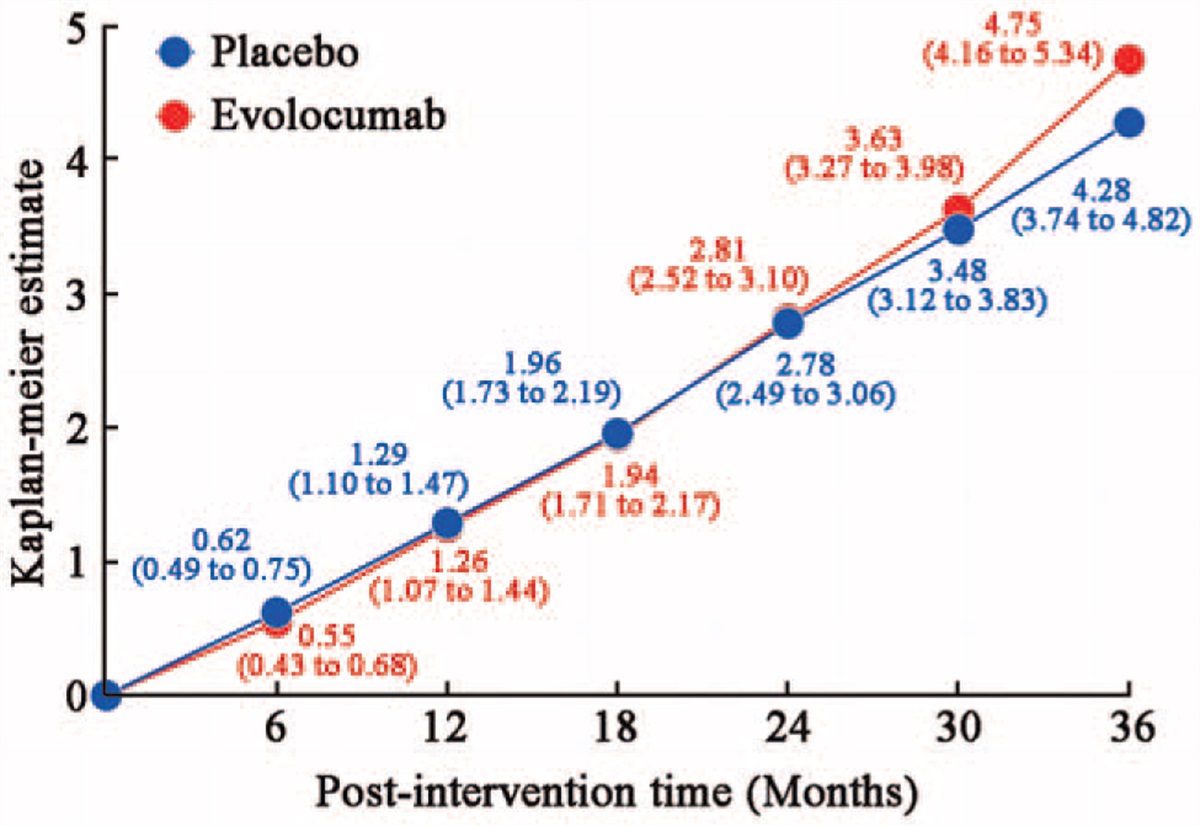
all-cause mortality benefit of PCSK9i remains inconclusive, current cholesterol management guidelines have been modified toward more aggressive goals for lowering low-density lipoprotein cholesterol (LDL-C). Consequently, the emerging concept of "the...
Conclusions/Relevance: This review summarizes recent evidence of low-LDL-C-related bleeding risk in patients on antithrombotic therapy and discusses potential measures for reducing this risk, underscoring the importance of carefully weighing the pros and cons of aggressive LDL-C lowering in patients on antithrombotic therapy.
Efficacy and Safety of Evolocumab in Chinese Patients with Primary Hypercholesterolemia and Mixed Dyslipidemia: 12-Week Primary Results of the HUA TUO 华佗 Randomized Clinical Trial - Cardiology and Therapy
Source : https://link.springer.com/article/10.1007/s40119-023-00304-x
Introduction Evolocumab, a fully human proprotein convertase/subtilisin kexin type 9 inhibitor antibody, significantly lowers low-density lipoprotein cholesterol (LDL-C) in patients with type 2 diabetes mellitus and hyperlipidemia and mixed dyslipidemia....
Conclusion: In Chinese patients with primary hypercholesterolemia and mixed dyslipidemia, 12-week treatment with evolocumab significantly lowered LDL-C and other lipids, and was safe and well tolerated.
A practical statin recommendation system based on real-world data to improve LDL-C management in secondary prevention
k of cardiovascular events. Owing to individual differences in statin therapy, it is possible first to consider changing the type of statin before adding non-statin medications in certain patients to...
Conclusions/Relevance: The present study demonstrated that the statin recommendation system could significantly improve the achievement of LDL-C goals in ASCVD patients, providing a new approach to improve LDL-C management.