



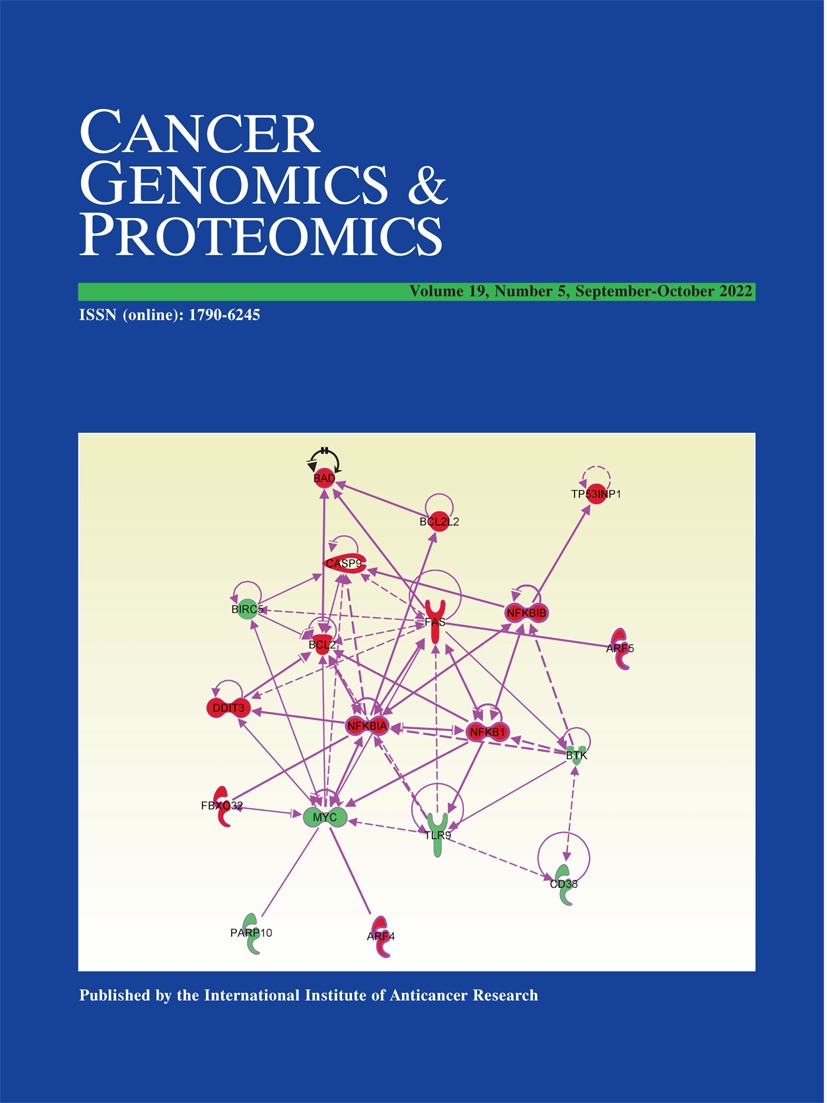
Disruption of Lipid Raft Microdomains, Regulation of CD38, TP53, and MYC Signaling, and Induction of Apoptosis by Lomitapide in Multiple Myeloma Cells
Source : https://cgp.iiarjournals.org/content/19/5/540
Background/Aim: Multiple myeloma (MM) is characterized by accumulation of a malignant clone of plasma cells in the bone marrow. Curative treatments are not yet available. Therefore, we undertook a drug...
Conclusions: Lomitapide treatment led to disruption of lipid raft domains and induction of pro-apoptotic factors and might, therefore, be considered as a potential therapeutic agent in MM.
Nutrition interventions for youth with dyslipidemia: a National Lipid Association clinical perspective
Source : https://www.lipidjournal.com/article/S1933-2874(22)00218-5/fulltext
It is well known that atherosclerosis begins in childhood and accelerates by age 20.1 Lifestyle interventions, including a heart-healthy dietary pattern, daily moderate-to-vigerous physical activity, maintaining a healthy body weight,...
Conclusions: The goal of this National Lipid Association Clinical Perspective is to provide guidance for healthcare professionals caring for youth with disorders of lipid and lipoprotein metabolism, including nutritional guidance that complements the use of lipid lowering medications.
-
 Lipid Management Connect4yrKey Points • Source: Journal of Clinical Lipidology • Relevance: “The goal of this National Lipid Association Clinical Perspective is to provide guidance for healthcare professionals caring for youth with disorders of lipid and Show More
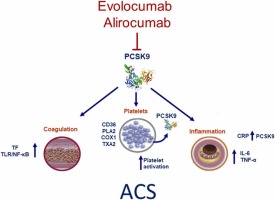
Pharmacological rationale for the very early treatment of acute coronary syndrome with monoclonal antibodies anti-PCSK9
Source : https://www.sciencedirect.com/science/article/abs/pii/S104366182200384X?via=ihub
Immediate and aggressive lipid lowering therapies after acute coronary syndromes (ACS) and percutaneous coronary interventions (PCI) are supported by the ESC/EAS dyslipidemia guidelines, recommending the initiation of high-intensity statin therapy...
Conclusions: In the present review we will discuss the pharmacological and biological rationale supporting the potential use of PCSK9 mAbs in ACS patients and the emerging evidence of evolocumab and alirocumab treatment in this clinical setting.

Pearls & Oy-sters: Managing Cholesterol in a Patient With Statin Intolerance Due to Anti-HMG-CoA Reductase-Associated Myopathy
Source : https://n.neurology.org/content/early/2022/09/13/WNL.0000000000201315
Statins are the first line of treatment for hypercholesterolemia and of prevention of atherosclerotic cardiovascular disease (ASCVD). It is estimated that one in four Americans over the age of 40...
Conclusions: We present key findings for early recognition and treatment of anti-HMGCR associated myopathy and give recommendations on how to manage hypercholesterolemia in a patient with statin intolerance due to this disease.

Paediatric patients with heterozygous familial hypercholesterolaemia treated with evolocumab for 80 weeks (HAUSER-OLE): a single-arm, multicentre, open-label extension of HAUSER-RCT
Source : https://www.thelancet.com/journals/landia/article/PIIS2213-8587(22)00221-2/fulltext
After 80 weeks of treatment, evolocumab was safe, well tolerated, and led to sustained reductions in LDL cholesterol in paediatric patients with heterozygous familial hypercholesterolaemia. When lipid goals cannot be...
Conclusions: Interpretation: After 80 weeks of treatment, evolocumab was safe, well tolerated, and led to sustained reductions in LDL cholesterol in paediatric patients with heterozygous familial hypercholesterolaemia. When lipid goals cannot be achieved with conventional treatments, evolocumab is an effective add-on therapy in paediatric...

Drug-drug interactions between direct-acting antivirals and co-medications: a territory-wide cohort study - PubMed
Source : https://pubmed.ncbi.nlm.nih.gov/36074319/
The commonest co-medications leading to contraindication during DAA treatment were statins and antipsychotics. Category 2 and 3 DDIs are often managed by appropriate dose adjustments or temporary discontinuation of relevant...
Conclusions: The commonest co-medications leading to contraindication during DAA treatment were statins and antipsychotics. Category 2 and 3 DDIs are often managed by appropriate dose adjustments or temporary discontinuation of relevant co-medications. Careful assessment for potential DDI before DAA use is mandatory to avoid potential harmful...
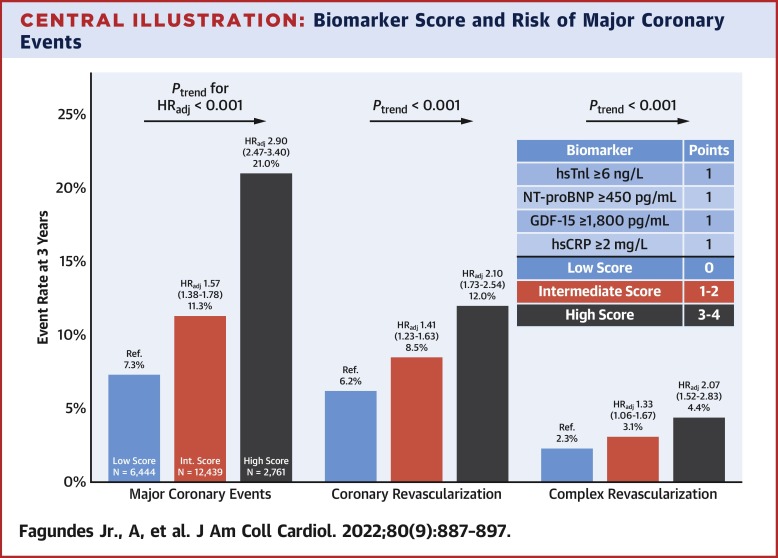
Biomarker Prediction of Complex Coronary Revascularization Procedures in the FOURIER Trial
Source : https://www.sciencedirect.com/science/article/abs/pii/S0735109722054225?via=ihub
Biomarkers are known to predict major adverse cardiovascular events. However, the association of biomarkers with complex procedures or high-risk coronary anatomy at the time of coronary revascularization revascularization is not...
/>
Conclusions: A biomarker-based strategy identifies stable patients at risk for coronary events, including coronary artery bypass graft surgery and complex percutaneous coronary intervention, and predicts high-risk coronary anatomy at the time of revascularization. These findings provide insight into the relationships between cardiovascular...

Hypoglycaemia events with iGlarLixi versus premix biphasic insulin aspart 30 (BIAsp 30) in people with type 2 diabetes advancing from basal insulin: An analysis of the SoliMix trial - PubMed
Source : https://pubmed.ncbi.nlm.nih.gov/36054624/
These results show that the lower HbA1c levels and weight benefit seen with iGlarLixi versus premixed BIAsp 30 in people with type 2 diabetes advancing their basal insulin therapy in...
Conclusions: These results show that the lower HbA1c levels and weight benefit seen with iGlarLixi versus premixed BIAsp 30 in people with type 2 diabetes advancing their basal insulin therapy in the SoliMix trial are also accompanied by a lower risk of hypoglycaemia at any time of day and across a broad range of HbA1c levels.
-
Dr Hamid4yrThis exploratory analysis of SoliMix used logistic regression and negative binomial regression analyses to assess between-treatment differences in the incidence and rates of hypoglycaemia by time of day.

Impact of sodium glucose cotransporter-2 inhibitors on liver steatosis/fibrosis/inflammation and redox balance in non-alcoholic fatty liver disease
Source : https://www.ncbi.nlm.nih.gov/pmc/articles/PMC9331534/
Sodium glucose cotransporter-2 inhibitors (SGLT2-I) are the most recently approved drugs for type 2 diabetes (T2D). Recent clinical trials of these compounds reported beneficial cardiovascular (CV) and renal outcomes. A...
Conclusion/Relevance: This result indicate a significant association between the use of evolocumab and a reduction in the incidence of CI-AKI.The logistic regression analysis results revealed that evolocumab was significantly associated with CI-AKI. The use of PCSK9 inhibitors, hydration therapy, and statin administration appears promising for...
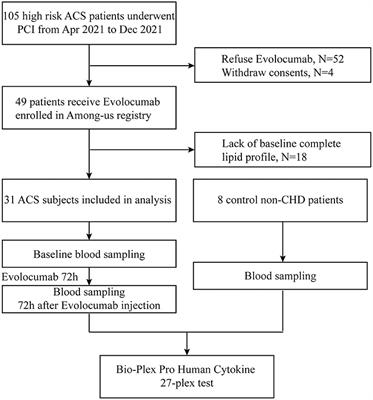
Evolocumab enables rapid LDL-C reduction and inflammatory modulation during in-hospital stage of acute coronary syndrome: A pilot study on Chinese patients
Source : https://www.frontiersin.org/articles/10.3389/fcvm.2022.939791/full
Background and aimsProprotein convertase subtilisin/kexin type 9 (PCSK9) has long been considered a key regulator in lipid metabolism. Its role as a potential player in immune response has recently earned...
Conclusions: In this case-crossover study of the effect of PCSK9 antibody among Chinese patients, evolocumab on top of high-intensity statin during hospitalization led to a remarkable and rapid reduction in atherogenic lipids and an alteration in inflammatory status at early-stage post-ACS.
-
Dr Hamid4yrProprotein convertase subtilisin/kexin type 9 (PCSK9) has long been considered a key regulator in lipid metabolism
-
Lipid Management Connect4yrKey Points • Source: Frontiers in Cardiovascular Medicine • Conclusion: “In this case-crossover study of the effect of PCSK9 antibody among Chinese patients, evolocumab on top of high-intensity statin during hospitalization led to a Show More

STATINS, BUT NOT PCSK9 INHIBITORS, REDUCE THE ADIPOKINE CHEMERIN IN FAMILIAL HYPERCHOLESTEROLEMIA: FOCUS ON LIPOPROTEIN SUBFRACTIONS - PubMed
Source : https://pubmed.ncbi.nlm.nih.gov/36027428/
1 Erasmus MC, Division of Vascular Medicine and Pharmacology, Department of Internal Medicine, Rotterdam, THE NETHERLANDS. 2 Shenzhen Technology University, Department of Pharmacology, College of Pharmacy, Shenzhen, CHINA. 1 Erasmus...
Conclusions: Circulating chemerin occurs in different lipoprotein subfractions, accumulating particularly in the HDL3 fraction. Statins, but not PCSK9i, lowers chemerin, possibly by interfering with its levels across lipoprotein subfractions. This may represent a novel cardiovascular protective function of statins.

Role of Lipid-Lowering Therapy in Peripheral Artery Disease - PubMed
Source : https://pubmed.ncbi.nlm.nih.gov/36013107/
Atherosclerosis is a multifactorial, lipoprotein-driven condition that leads to plaque formation within the arterial tree, leading to subsequent arterial stenosis and thrombosis that accounts for a large burden of cardiovascular...
Relevance: The focus of this paper is to review existing data on lipid-lowering therapies in lower extremity atherosclerotic peripheral artery disease.

Current Options and Future Perspectives in the Treatment of Dyslipidemia - PubMed
Source : https://pubmed.ncbi.nlm.nih.gov/36012957/
Low-density lipoprotein cholesterol (LDL-C) plays a crucial role in the development of atherosclerosis. Statin therapy is the standard treatment for lowering LDL-C in primary and secondary prevention. However, some patients...
Conclusion: This narrative review provides an overview of the new drugs for the treatment of dyslipidemia, their current status, ongoing clinical or preclinical trials, and their prospects. We also discuss the new alternative therapies for the treatment of dyslipidemia and their relevance to practice.

Effect of Empagliflozin on Circulating Proteomics in Heart Failure: Mechanistic Insights from the EMPEROR Program - PubMed
Source : https://pubmed.ncbi.nlm.nih.gov/36017745/
Changes in circulating protein levels in patients with heart failure are consistent with the findings of experimental studies that have shown that the effects of SGLT2 inhibitors are likely related...
Conclusions: Changes in circulating protein levels in patients with heart failure are consistent with the findings of experimental studies that have shown that the effects of SGLT2 inhibitors are likely related to actions on the heart and kidney to promote autophagic flux, nutrient deprivation signaling and transmembrane sodium transport.

Saturated Fatty Acid-Induced Impairment of Hepatic Lipid Metabolism Is Worsened by Prohibitin 1 Deficiency in Hepatocytes - PubMed
Source : https://pubmed.ncbi.nlm.nih.gov/35980329/
Obesity-associated nonalcoholic fatty liver disease (NAFLD) is characterized by excessive intrahepatic lipid accumulation. Despite the increasing prevalence of NAFLD and obesity, the pathogenesis of NAFLD has not yet been clearly...
Relevance: In this study, we investigated how PHB1 affects lipid metabolism in murine hepatocytes. To reduce the expression of PHB1, Phb1 small interfering RNA was transfected into normal murine hepatocytes (AML12), and the cells were treated with the saturated fatty acid (SFA), palmitic acid (PA), for 24 h.
-
Dr Hamid4yrDespite the increasing prevalence of NAFLD and obesity, the pathogenesis of NAFLD has not yet been clearly elucidated.

Measures of Financial Hardship From Health Care Expenses Among Families With a Member With Atherosclerotic Cardiovascular Disease in the US
Source : https://www.ncbi.nlm.nih.gov/pmc/articles/PMC9308060/
JAMA Health Forum. 2022 Jul; 3(7): e221962. Stephen Y. Wang, MD, MPH, 1 Javier Valero-Elizondo, MD, MPH, 2 , 3 Miguel Cainzos-Achirica, MD, PhD, 2 , 3 Nihar R. Desai,...
Conclusions and Relevance: In this cross-sectional study of US adults, 2 in 5 families of patients with ASCVD experienced health care–related financial hardship, but a focus on objective or subjective measures alone would have captured only half the burden and not identified those deferring health care. The findings suggest that a...
-
Dr Hamid4yrPatients with atherosclerotic cardiovascular disease (ASCVD) face substantial financial burden from health care costs as assessed by many disparate measures

Ocular Disorders Associated with PCSK9 Inhibitors: A Pharmacovigilance Disproportionality Analysis - PubMed
Source : https://pubmed.ncbi.nlm.nih.gov/35973681/
doi: 10.1111/bcp.15494. Online ahead of print. 1 Department of Pharmacy, The First Affiliated Hospital of Chongqing Medical University, Chongqing, China. 2 School of Pharmacy, Chongqing Medical University, Chongqing, China. doi:...
Conclusion: This pharmacovigilance study identified a possible signal of ocular disorders associated with PCSK9 inhibitors and encourages paying attention to at-risk populations in PCSK9 inhibitors medication.
Development and characterization of a camelid derived antibody targeting a linear epitope in the hinge domain of human PCSK9 protein - Scientific Reports
Source : https://www.nature.com/articles/s41598-022-16453-3
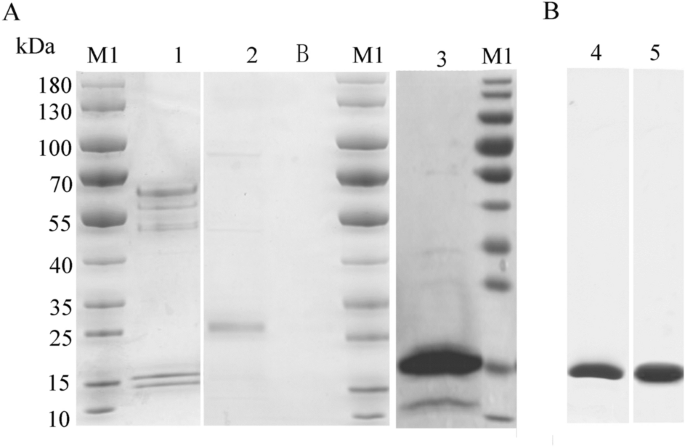
PCSK9 is an effective target for lowering LDL-c. Previously, a camelid-human chimeric heavy chain antibody VHH-B11-Fc targeting human PCSK9 was designed. It had a potent hypolipidemic effect. However, the nanobody...
Conclusion/Relevance: Unlike the interaction epitope of Evolocumab, located in the catalytic region of PCSK9, the binding epitope of VHH-B11 is located in the hinge region of PCSK9, which is rarely reported. These findings indicated that a specific mechanism underlying this interaction needs to be explored.
Isochlorogenic Acid C Alleviates High-Fat Diet-Induced Hyperlipemia by Promoting Cholesterol Reverse Transport
Source : https://www.frontiersin.org/articles/10.3389/fphar.2022.881078/full
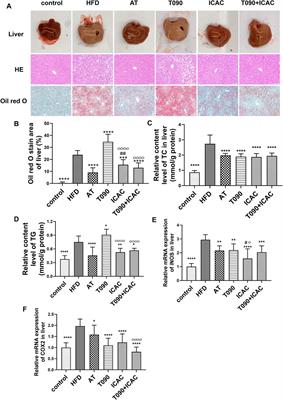
Background: Promoting cholesterol reverse transport (RCT) has been proven to be a promising hyperlipidemia therapy since it is more effective for the treatment of atherosclerosis (AS) caused by hyperlipidemia.
Conclusion: ICAC accelerated RCT without affecting liver LXRα, thus resulting in a lipid-lowering effect without increasing liver adipogenesis. Our results indicated that ICAC could be a new RCT promoter for hyperlipidemia treatment without causing liver steatosis.

The Effects of Statin Therapy on Oxidized LDL and Its Antibodies: A Systematic Review and Meta-Analysis
Source : https://www.hindawi.com/journals/omcl/2022/7850659/
Background . Elevated serum low-density lipoproteins (LDL), the substrate for the formation of atherogenic oxidized LDLs (oxLDL), are a causal factor for atherosclerotic cardiovascular disease (ASCVD). Statins are well known...
Conclusion: Statin therapy decreases serum oxLDL concentrations but does not affect circulating levels of anti-oxLDL antibodies.