

Lipid Management Connect
Profile Image
  • Saved
Evaluating the impact of testosterone replacement therapy on carotid atherosclerosis: a systematic review and meta-analysis - PubMed

Evaluating the impact of testosterone replacement therapy on carotid atherosclerosis: a systematic review and meta-analysis - PubMed

Source : https://pubmed.ncbi.nlm.nih.gov/39183456/

Aim: This meta-analysis investigates the association between testosterone replacement therapy [TRT] and carotid artery atherosclerosis. Methods: 3 databases were searched for studies up to June 2023 per the PRISMA guidelines....

Testosterone therapy shows no association with carotid atherosclerosis or lipid/inflammatory markers, though it raises testosterone levels, suggesting safe use in hypogonadal men without increasing CIMT risk.

Profile Image
  • Saved
case study

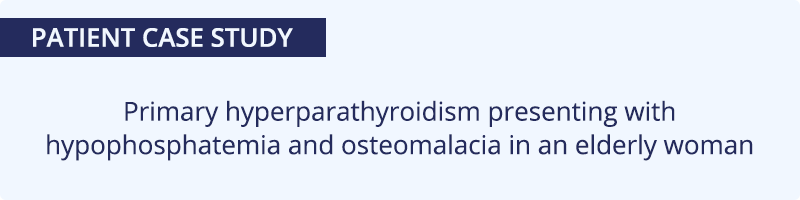
Patient Background: A 79-year-old woman presented with persistent hypophosphatemia (serum phosphorus 0.8 mg/dL) and multiple stress fractures involving the ribs, spine, and pelvis, consistent with osteomalacia. Her medical history included type 2 diabetes mellitus, hypertension, obesity, osteoarthritis, and anxiety disorder.

Assessment and Diagnosis: Initial evaluation revealed severe hypophosphatemia (0.8 mg/dL; NR: 2.5–4.5 mg/dL), elevated parathyroid hormone (PTH, 169 pg/mL; NR: 10–65 pg/mL), and normal serum calcium levels. Despite vitamin D supplementation, hypophosphatemia persisted (1.7 mg/dL in 2023), and hypercalcemia developed later (10.9 mg/dL; NR: 8.5–10.2 mg/dL). Renal studies showed phosphate wasting (tubular reabsorption of phosphate [TRP] 56.2%) and elevated fibroblast growth factor 23 (FGF-23, 1694 kRU/L). In 2024, ^18F-fluorocholine PET-CT imaging identified two right parathyroid adenomas, confirming a diagnosis of primary hyperparathyroidism (PHPT).

  1. How can chronic hypophosphatemia signal early-stage PHPT?
  2. Why is postoperative monitoring vital in PHPT care?

Profile Image
  • Saved
Does Genotype Affect the Efficacy of PCSK9 Inhibitors in the Treatment of Familial Hypercholesterolemia? - PubMed

Does Genotype Affect the Efficacy of PCSK9 Inhibitors in the Treatment of Familial Hypercholesterolemia? - PubMed

Source : https://pubmed.ncbi.nlm.nih.gov/37610687/

Currently, available evidence consistently demonstrates and is in good agreement that, in general, the LDL-C-lowering effect of PCSK9 inhibitors is similar across genotypes, except for compound heterozygous and homozygous familial...

Genetic background slightly affects PCSK9 inhibitors’ LDL-C lowering in familial hypercholesterolemia, with reduced response in compound heterozygous and homozygous cases; clinical factors remain key for management.

Profile Image
  • Saved

This systematic review found that ready-to-use therapeutic foods (RUTFs) with improved omega-3 fatty acid profiles and lower n-6:n-3 ratios enhanced neurodevelopmental scores, DHA status, and survival in children with severe acute malnutrition.

Profile Image
  • Saved

I go by family history. If their LDL is greater than 180 I start with high dose statin and zetia. If we do not reach goal levels, I would add a PCSK9 drug. If patient does not want an injection, I may try Benpendoic acid. In some patients, aphorisms is needed

Profile Image
  • Saved
infographic
Profile Image
  • Saved
Cyclosporin A-loaded dissolving microneedles for dermatitis therapy: Development, characterisation and efficacy in a delayed-type hypersensitivity in vivo model - PubMed

Cyclosporin A-loaded dissolving microneedles for dermatitis therapy: Development, characterisation and efficacy in a delayed-type hypersensitivity in vivo model - PubMed

Source : https://pubmed.ncbi.nlm.nih.gov/38472726/

Several drugs can be used for treating inflammatory skin pathologies like dermatitis and psoriasis. However, for the management of chronic and long-term cases, topical administration is preferred over oral delivery...

A novel cyclosporin A–loaded lipid vesicle microneedle system enhanced skin delivery, reduced inflammation, and improved histological outcomes in dermatitis models, offering a safe, targeted alternative to corticosteroid-based therapies for chronic inflammatory skin conditions.

Profile Image
  • Saved
Biomarkers transform endocrine disorder management in the critically ill

Endocrine dysfunction is an under-recognized but significant driver of morbidity and mortality in the critically ill. This review highlights how biomarkers enable earlier detection, diagnosis, and monitoring of life-threatening endocrine crises—such as adrenal insufficiency, thyroid storm, and hyperglycemic emergencies—that may initially present with non-specific symptoms.

Highlights:

• Biomarkers—classified as prognostic, predictive, pharmacodynamic, or exposure-related—help guide both diagnosis and treatment decisions.

• Established markers include TSH for thyroid disease, cortisol for adrenal insufficiency, IGF-1 for growth hormone deficiency, and HbA1c for glycemic status.

• Advantages include earlier, objective detection and individualized therapy; limitations involve sensitivity, clinical validation, and interpretive complexity.

• Emerging tools like extracellular vesicles, serum diiodotyrosine, and neutrophil gelatinase-associated lipocalin (NGAL) may offer precision diagnostics.

• Advances in multiplexed and ultra-sensitive detection platforms are improving accuracy and accelerating clinical adoption.

What sets this study apart:

It synthesizes current and emerging biomarker evidence, positioning these tools to shift critical care endocrinology from reactive to precision-guided, proactive management.

Limitations:

Many novel markers lack large-scale validation. Regulatory hurdles and workflow integration also limit clinical translation in intensive care.

How are you leveraging biomarkers to detect endocrine crises earlier in the ICU? Could multiplex technology help improve diagnostic accuracy and resource utilization in your unit?

Profile Image
  • Saved

Fun Fact! Statin-associated muscle symptoms (SAMS) occur in 10–29% of patients, typically presenting as myalgia or myositis in the thighs or calves. Severe cases like rhabdomyolysis are rare. Genetic variations, especially in the SLCO1B1 gene, have been linked to a higher risk of developing SAMS during statin treatment.

Could SLCO1B1 genetic testing support safer, more personalized statin prescribing?

 NCCN Guidelines

Could SLCO1B1 genetic testing support safer, more personalized statin prescribing?

Profile Image
  • Saved
Background Image DesktopBackground Image Mobile

A 12-month RCT will assess if adding group-based nutritional education to standard care improves HbA1c in T2D patients. Covering shopping habits, plate planning, and hunger cues, the program targets glycemic control and broader metabolic outcomes.

Learn more about this patient-centered trial

Profile Image
  • Saved
A Case of Acromegaly With Parasellar Meningioma With Oculomotor Palsy Responding to and Maintained With Oral Octreotide Therapy - PubMed

A Case of Acromegaly With Parasellar Meningioma With Oculomotor Palsy Responding to and Maintained With Oral Octreotide Therapy - PubMed

Source : https://pubmed.ncbi.nlm.nih.gov/41048686/

Current findings from our case may provide evidence for the potential use of somatostatin analogs in treating acromegaly patients diagnosed with meningiomas, particularly those cases that cannot be surgically removed,...

A 65-year-old woman with acromegaly and parasellar meningioma causing oculomotor palsy showed significant neurological and radiological improvement after oral octreotide dose escalation, suggesting somatostatin analogs may benefit non-surgical meningiomas.

Profile Image
  • Saved

In a cohort of 176 kidney transplant recipients, higher early post-transplant protein intake (≥1.4 g/kg/day) was associated with improved graft function, better lipid and hemoglobin profiles, and overall enhanced recovery outcomes.

Profile Image
  • Saved
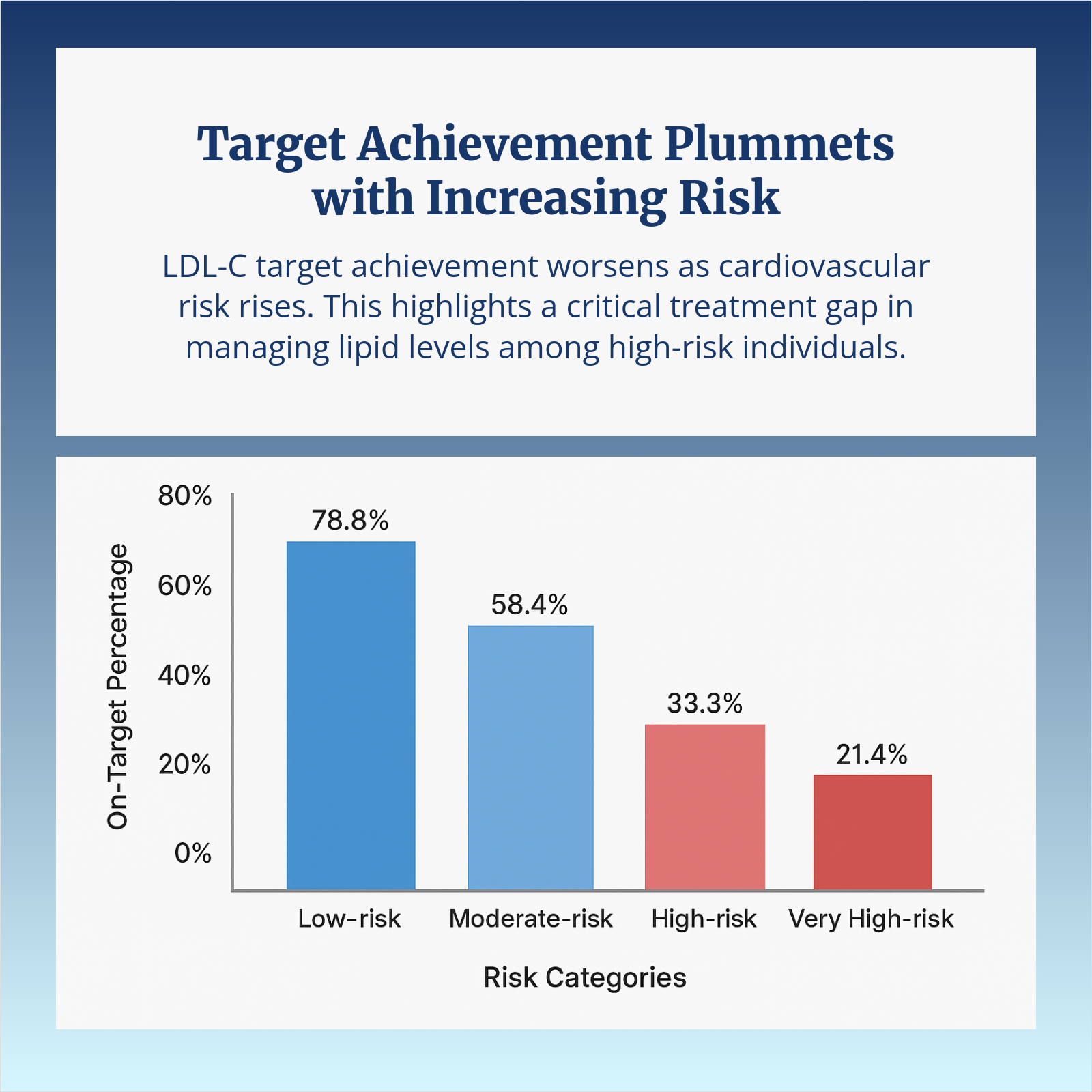
Reassess. Intensify. Protect: Timely LDL-C control post-MI can prevent what comes next

For patients recovering from myocardial infarction (MI), early initiation of high-intensity statin therapy is standard. Yet, sustaining LDL-C control in the months and years that follow is often overlooked despite its potential to reduce recurrent cardiovascular events.

Despite clear guideline targets, real-world data show that many post-MI patients fail to achieve or maintain LDL-C levels below 70 mg/dL. Delays in follow-up testing, therapeutic inertia, and disparities in care contribute to this gap. Real-world data suggest that women and older adults may be less likely to receive high-intensity lipid-lowering therapy (LLT) or timely reassessment, reflecting disparities in access or treatment patterns.

For patients who remain above target despite maximally tolerated statins—or who are unable to tolerate them—adjunctive therapies that enhance LDL receptor activity offer a chance to drive LDL-C lower and reduce residual risk. But these benefits hinge on timely recognition of inadequate response and a proactive approach to intensification.

The 2025 AACE lipid management guidelines recommend a treatment goal of LDL-C <70 mg/dL in adults with ASCVD or at increased risk. Reaching—and maintaining—this threshold has been linked to fewer recurrent events, including MI, stroke, and revascularization. But success depends not just on what we prescribe, but on how closely we monitor, reassess, and adapt over time.

How do you coordinate post-MI lipid management in your practice? What prompts you to intensify treatment when targets aren't met?

Profile Image
  • 11mo
    When a patient is seen after a cardiac event: • Medication review: • Current medications are reviewed to ensure adherence, tolerance, and appropriate dosing. • Goals of therapy are discussed with the patient, emphasizing the importance Show More
  • 1yr
    When a patient is seen after cardiac event meds are reviewed and discussed regarding goals of treatment and labs to follow up 6-8 weeks later. If LDL is above Show More

Show More Comments

  • Saved
Navigating Hypoxemic Respiratory Failure in Critically Ill Cardiac Patients - PubMed

Navigating Hypoxemic Respiratory Failure in Critically Ill Cardiac Patients - PubMed

Source : https://pubmed.ncbi.nlm.nih.gov/41043940/

Acute respiratory failure is a common reason for admission to cardiac intensive care units and the prevalence of respiratory failure in this cohort is increasing over time. Hypoxemia can occur...

This review examines hypoxemic respiratory failure mechanisms in cardiac ICU patients, detailing cardiogenic and noncardiogenic causes, ventilation strategies, sedation optimization, and management of refractory hypoxemia in critically ill cardiac populations.

Profile Image
  • Saved
Personalized diets may rebalance hormones and reduce obesity-related health risks

Obesity disrupts endocrine health through insulin resistance, chronic inflammation, and altered adipokine signaling. This narrative review explores how different dietary patterns influence hormonal balance in men and women.

Highlights:

  • In men, obesity is linked to decreased testosterone, reduced thyroid function, possibly reflecting thyroid hormone resistance, and elevated cortisol
  • In women, it increases risks for PCOS, infertility, and androgen excess
  • Calorie restriction, low-carbohydrate diets, Mediterranean, and plant-based patterns show hormonal benefits
  • Hormonal effects of dietary changes are often sex-specific

What sets this study apart:

Unlike conventional reviews that focus on single nutrients, this synthesis examines whole dietary patterns and their interaction with sex-specific hormonal physiology. It emphasizes the importance of individualized nutrition plans based on reproductive and metabolic profiles, underscoring that one-size-fits-all approaches are inadequate for endocrine health.

Limitations:

As a narrative review, conclusions are drawn from existing literature rather than new clinical data. Long-term outcomes and sustainability of restrictive diets, such as ketogenic or very low-carbohydrate regimens, remain underexplored.

What role does gender play in how dietary choices influence endocrine health?

Profile Image
  • Saved
Lipid Nanovesicles in Cancer Treatment: Improving Targeting and Stability of Antisense Oligonucleotides - PubMed

Lipid Nanovesicles in Cancer Treatment: Improving Targeting and Stability of Antisense Oligonucleotides - PubMed

Source : https://pubmed.ncbi.nlm.nih.gov/39967902/

Cancer remains a leading cause of mortality worldwide, accounting for approximately 10 million deaths annually. Standard treatments, including surgery, radiotherapy, and chemotherapy, often result in damage to healthy cells and...

Lipid nanovesicles improve ASO cancer therapy by enhancing targeting, stability, and half-life, reducing toxicity, and boosting efficacy, though delivery challenges remain.


Profile Image
  • Saved

pt after mi ldl below 55 can be obtain with statin and pck 9 inhibitor comfotably if insurance covers pck inhibitor

Profile Image
  • Saved

goal after cardivascular surgery is to get ldl below 55 without side effects on statins,if it cannot be achieve on statin alone,add zetia,or pck 9 inhibitors or nexlizet

Profile Image
  • Saved

Post-MI lipid management includes a discussion about LDL targets and use of high-dose, high-potency statins and behavioral/lifestyle changes to attain LDL goal. Reevaluation of lipids 3 months later commences with additional methods to lower LDL introduced then, as needed and this may include additional medications.

Profile Image
  • Saved

post mi, I am part of the team that gets consulted on lipid management as well as a nutrition consult is generated. If LDLc is not within guidelines of AHA or NLA ( at least less than 70 mg/dl) I add PCSK9i for LDLc normalization as well as plaque regression post MI leaving the maximally tolerated statin plus/minus ezetimibe on board .

Profile Image