



Glycemic Variability and Time in Range Are Associated With the Risk of Overweight and High LDL-Cholesterol in Children and Youths With Type 1 Diabetes
Source : https://pubmed.ncbi.nlm.nih.gov/38104553/
CGM metrics of glycaemic control and variability were significantly associated with the risk of overweight in females and high LDL-c in both sexes.
Continuous glucose monitoring metrics of glycemic control and variability were significantly associated with the risk of overweight in girls and high LDL-C in both sexes.
Genetic Insights Into the Association of Statin and Newer Nonstatin Drug Target Genes With Human Longevity: a Mendelian Randomization Analysis
Source : https://lipidworld.biomedcentral.com/articles/10.1186/s12944-023-01983-0
It remains controversial whether the long-term use of statins or newer nonstatin drugs has a positive effect on human longevity. Therefore, this study aimed to investigate the genetic associations between...
Lipid-related gene targets, such as PCSK9, CETP, and APOC3, might potentially regulate human lifespan, thus offering promising prospects for developing newer nonstatin therapies.
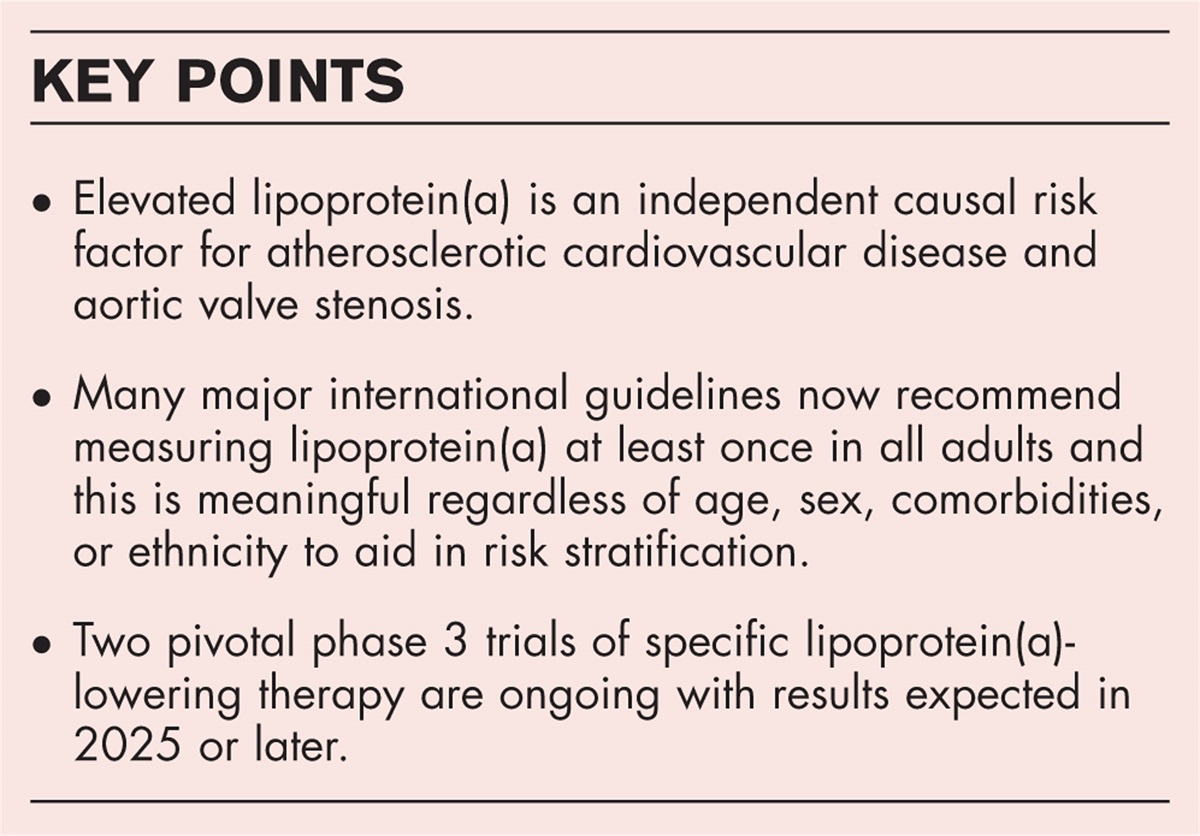
Measuring Lipoprotein(a) for Cardiovascular Disease Prevention - In Whom and When?
Many international guidelines now recommend once in a lifetime measurement of lipoprotein(a) in all adult individuals to facilitate accurate risk prediction. Lipoprotein(a)-lowering therapy to reduce cardiovascular disease is on the...
Many international guidelines now recommend once in a lifetime measurement of lipoprotein(a) in all adult individuals to facilitate accurate risk prediction. Lipoprotein(a)-lowering therapy to reduce cardiovascular disease is on the horizon, with results from the first phase 3 trial expected in 2025.
Heart Failure Treatment in 2023: Is There a Place for Lipid Lowering Therapy?
Source : https://link.springer.com/article/10.1007/s11883-023-01166-3
An evidence for lipid lowering therapy in heart failure is briefly summarized in this review. Heart failure therapy is based on recent guidelines for diagnosis and treatment of acute and...
PCSK9 inhibitors, new lipid-lowering drugs, are very effective in LDL-C lowering and prevention of ASCVD. The role of PCSK9 inhibitors in HF treatment is investigated.

Dyslipidaemia as a Target for Atherosclerotic Cardiovascular Disease Prevention in Children With Type 1 Diabetes: Lessons Learned From Familial Hypercholesterolaemia
Source : https://pubmed.ncbi.nlm.nih.gov/38032368/
In the last few decades, atherosclerotic cardiovascular disease (ASCVD) risk has decreased dramatically among individuals affected by familial hypercholesterolaemia (FH) as a result of the early initiation of statin treatment...
Although the pathogenesis of ASCVD in type 1 diabetes is multifactorial, and long-term trials of lipid-lowering therapy in children, including imaging, are lacking, there is a strong rationale for early and aggressive ASCVD risk management in children with type 1 diabetes, with an increasing role for statins.