


Evolocumab loaded Bio-Liposomes for efficient atherosclerosis therapy - Journal of Nanobiotechnology
Source : https://jnanobiotechnology.biomedcentral.com/articles/10.1186/s12951-023-01904-4
PCSK9, which is closely related to atherosclerosis, is significantly expressed in vascular smooth muscle cells (VSMCs). Moreover, Proprotein Convertase Subtilisin/Kexin type 9 (PCSK9) mediated phenotypic transformation, abnormal proliferation, and migration...
Conclusion: In the current study, we described the development of a (Lipo + M)@E nanoparticle to targeted deliver Evol into VSMCs of atherosclerotic plaque. The key findings of our study are that this compound (1) has good bionic properties, escapes immune cells phagocytose, and has long circulation time, (2) has good targeting...
Impact of Berberine or Berberine Combination Products on Lipoprotein, Triglyceride and Biological Safety Marker Concentrations in Patients with Hyperlipidemia: A Systematic Review and Meta-Analysis - PubMed
Source : https://pubmed.ncbi.nlm.nih.gov/37183391/
The .gov means it's official. Federal government websites often end in .gov or .mil. Before sharing sensitive information, make sure you're on a federal government site. The site is secure....
Conclusions/Relevance: Berberine, alone or with other nutraceuticals, can provide a modest positive impact on lipid concentrations.
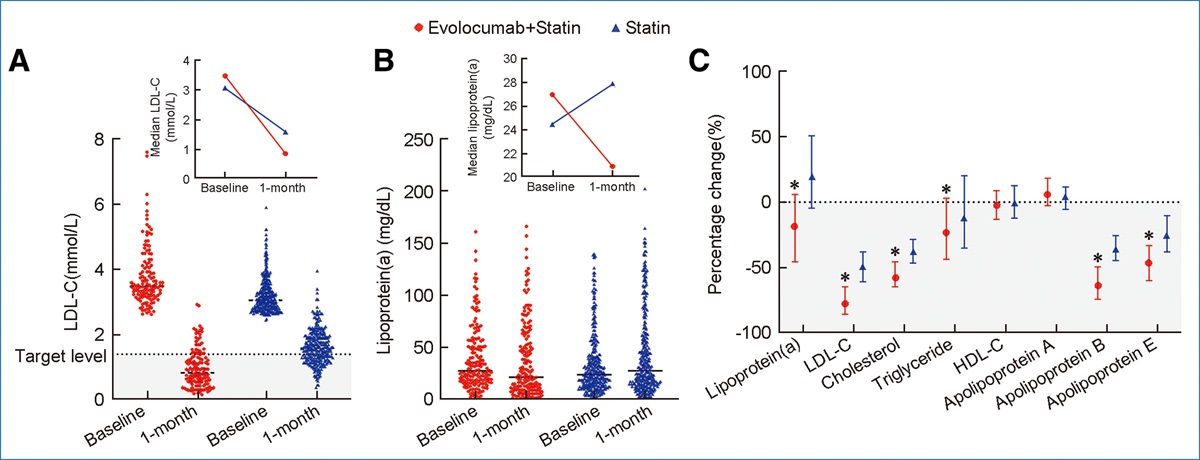
Effect of in-hospital evolocumab therapy on lipoprotein(a) in patients with acute myocardial infarction: a retrospective cohort study and a propensity score matching analysis
in patients with acute myocardial infarction (AMI) is poorly studied. This study aims to investigate the change in lipoprotein(a) under evolocumab therapy in patients with AMI. Methods: This retrospective cohort...
Conclusions: In-hospital initiation of evolocumab on a background statin therapy reduced lipoprotein(a) level at 1-month follow-up in patients with AMI. Evolocumab plus statin therapy inhibited the increase in lipoprotein(a) in statin only therapy, regardless of the baseline lipoprotein(a) level.
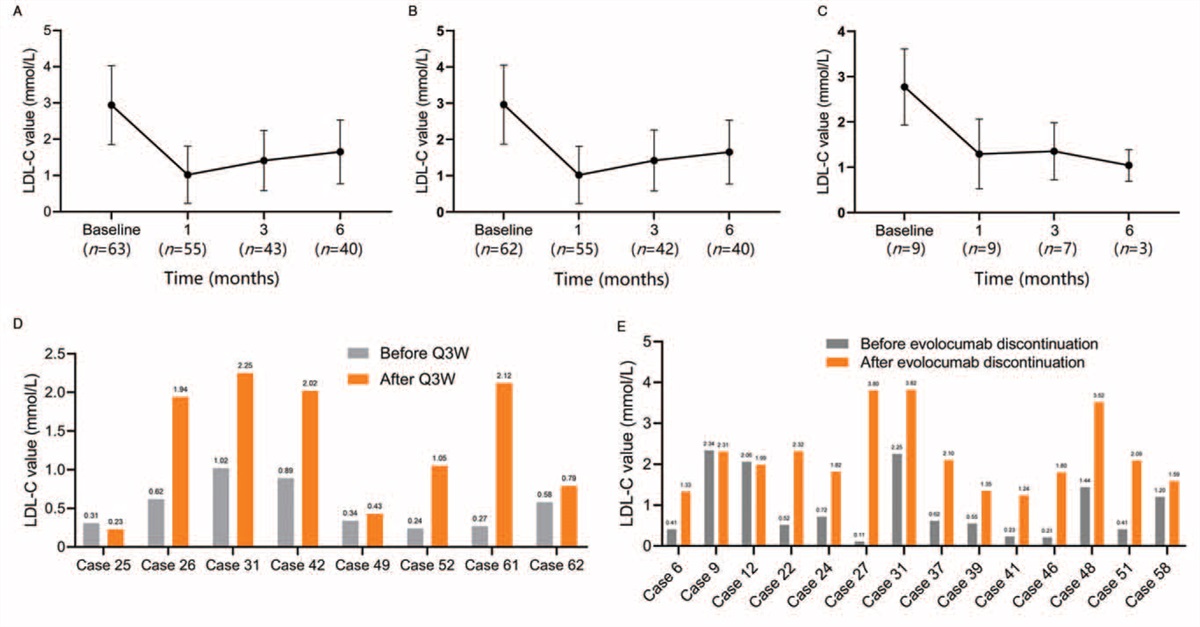
Lipid lowering effects and safety of evolocumab in Chinese patients at very high cardiovascular risk: a single-center study
Low-density lipoprotein cholesterol (LDL-C) is an independent risk factor for atherosclerotic cardiovascular disease (ASCVD). Even after lipid-lowering therapy (LLT) with statins or statin-ezetimibe, a large proportion of patients at very...
Conclusion: We describe here our clinical experience with evolocumab prescription in very high-risk Chinese patients and showed similar lipid-lowering effects and safety profiles compared with previous clinical trials. However, a high discontinuation rate primarily due to the high cost and low affordability of evolocumab was reported....
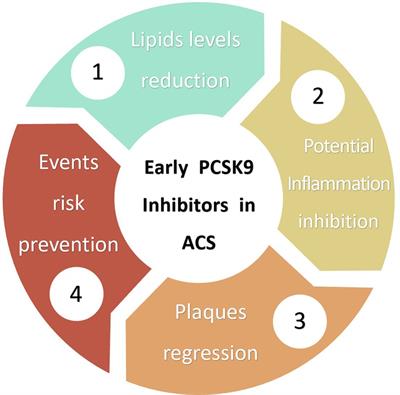
PCSK9 inhibitors for acute coronary syndrome: the era of early implementation
Source : https://www.frontiersin.org/articles/10.3389/fcvm.2023.1138787/full
Proprotein convertase subtilisin/kexin type 9 (PCSK9) inhibitors, a new cholesterol-lowering strategy, can decrease low-density lipoprotein cholesterol (LDL-C) levels by inhibiting PCSK9 and reducing the degradation of LDL receptors; thus, they...
Conclusion: The current evidence has demonstrated the benefits of early PCSK9 inhibitors in lipid reduction, plaque stabilization, and short-term or long-term cardiovascular event prevention. Furthermore, most adverse effects resulting from early PCSK9 inhibitors are mild and manageable, consistent with long-term follow-up results. However,...