


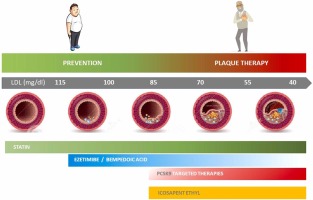
Lipid lowering combination therapy: From prevention to atherosclerosis plaque treatment
Source : https://www.sciencedirect.com/science/article/pii/S1043661823000944?via=ihub
Statins have contributed to the prevention of numerous atherosclerotic cardiovascular (CV) events and cardiovascular deaths in the past three decades....
Conclusions/Relevance: Strategies implementing combination therapies from early stages or even from the outset may increase the number of patients attaining LDLc goals, thereby preventing new CV episodes and improving existing atherosclerotic lesions.
Conclusions and Relevance: In this study, statin use for primary prevention of ASCVD was low among all race and ethnicity groups regardless of ASCVD risk, with the lowest use occurring among Black and Hispanic adults. Improvements in access to care may promote equitable use of primary prevention statins in Black and Hispanic adults.
Concomitant use of statins and sodium-glucose co-transporter 2 inhibitors and the risk of myotoxicity reporting - A disproportionality analysis - PubMed
Source : https://pubmed.ncbi.nlm.nih.gov/36912450/
The .gov means it's official. Federal government websites often end in .gov or .mil. Before sharing sensitive information, make sure you're on a federal government site. The site is secure....
Conclusion: There was no increased risk of myotoxicity reporting associated with concomitant use of SGLT2i and statins or for specific drug pairs.
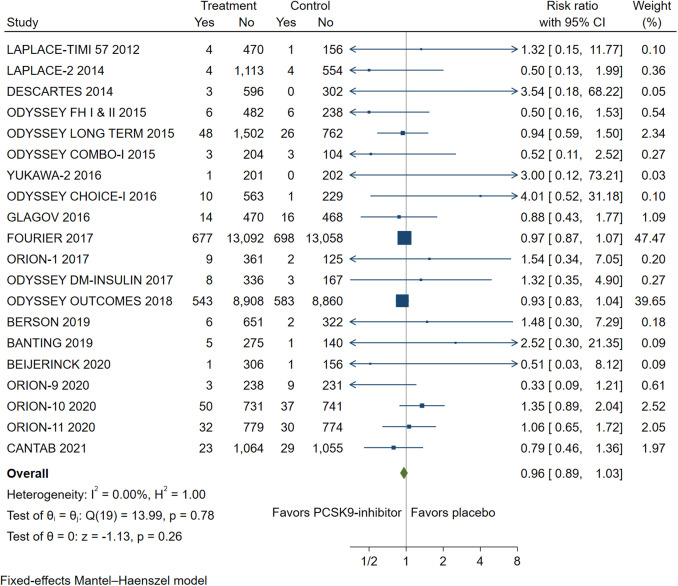
The association between PCSK9 inhibitor use and sepsis - A systematic review and meta-analysis of 20 double-blind, randomized, placebo-controlled trials
Source : https://www.amjmed.com/article/S0002-9343(23)00144-4/fulltext
Proprotein convertase subtilisin/kexin type 9 (PCSK9) inhibitors are novel, potent lipid-lowering therapies that have been recommended for patients with familial hypercholesterolemia or those with established cardiovascular disease (CVD) for CVD...
Conclusion: There was neither a beneficial nor a harmful association between PCSK9 inhibitors and risk of sepsis or severe infections. These findings provide reassurance regarding the safety of PCSK9 inhibitors in patients who are concerned about potential drug side effects related to infections.
Clinical characteristics and outcomes of Chinese patients with coronary heart disease and resistant hypertension - PubMed
Source : https://pubmed.ncbi.nlm.nih.gov/36929173/
There is currently few research on clinical characteristics and outcomes of coronary heart disease (CHD) with resistant hypertension in central region of China. This study aimed to assess the risk...
Conclusion: Resistant hypertension was a quite common and high proportion finding in patients with CHD and hypertension in central region of China, and these patients have a worse clinical prognosis.