



Efficacy and Safety of Alirocumab and Evolocumab as Proprotein Convertase Subtilisin/Kexin Type 9 (PCSK9) Inhibitors in Familial Hypercholesterolemia: A Systematic Review and Meta-Analysis
Source : https://www.eurekaselect.com/article/129887
Background: Familial hypercholesterolemia (FH) is a prevalent and potentially fatal illness that causes a substantial elevation in low-density lipoprotein cholesterol (LDL-C). Objective: The aim of this study was to investigate...
Conclusion: There was high-quality evidence showing that monoclonal antibodies (alirocumab & evolocumab) lower LDL-C (GRADE: high), lipoprotein (a) (GRADE: High), triglycerides (TG) (GRADE: High), total cholesterol (GRADE: High), non-high-density lipoprotein cholesterol (nonHDL-C) (GRADE: Moderate), and apolipoprotein B (GRADE: High), and...

Dyslipidemia is associated with a poor prognosis of breast cancer in patients receiving neoadjuvant chemotherapy - BMC Cancer
Source : https://bmccancer.biomedcentral.com/articles/10.1186/s12885-023-10683-y
Background Lipid metabolism disorders may be involved in the occurrence and development of breast cancer. This study aimed to investigate the serum lipid changes during neoadjuvant chemotherapy for breast cancer...
Conclusions: Dyslipidemia deteriorated after chemotherapy. The full-course serum lipid level may thus serve as a blood marker for predicting breast cancer prognosis. Serum lipids should therefore be closely monitored in breast cancer patients throughout the treatment course, and patients with dyslipidemia should be treated in a timely...
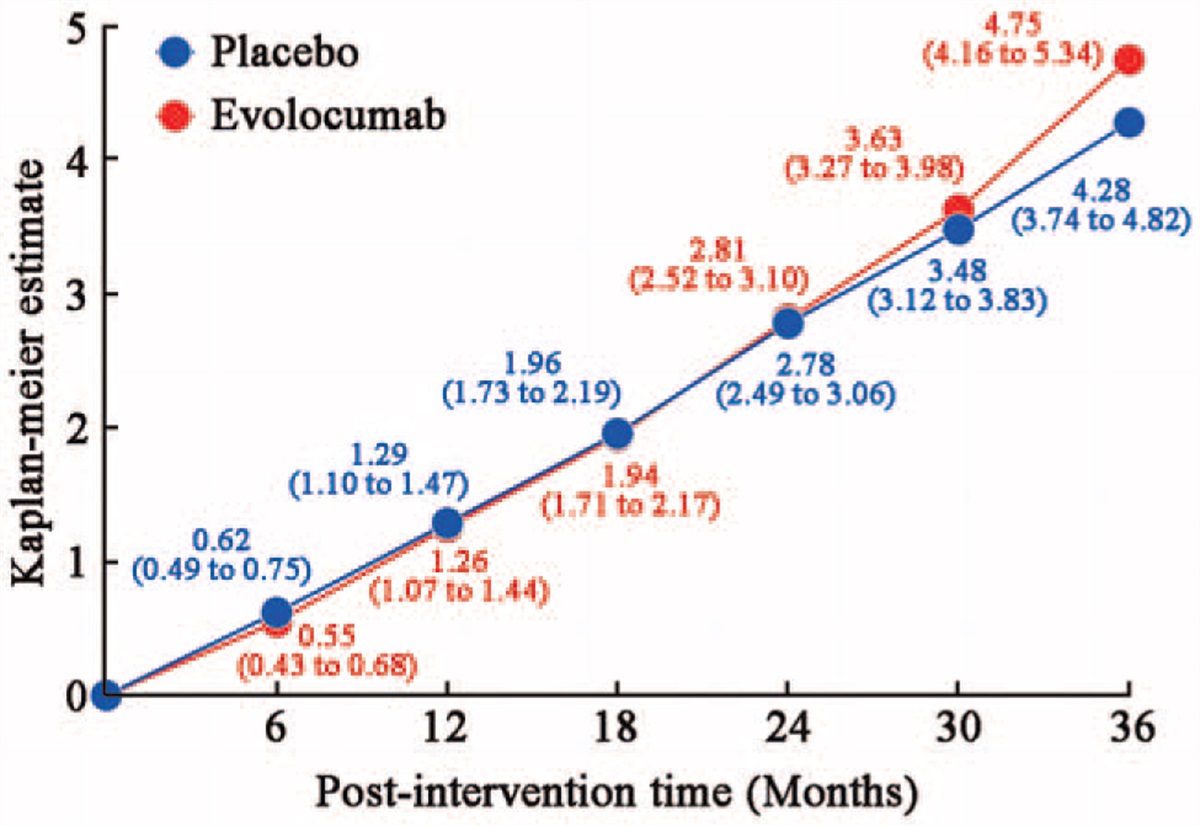
Antithrombotic therapy and bleeding risk in the era of aggressive lipid-lowering: current evidence, clinical implications, and future perspectives
Source : https://journals.lww.com/cmj/Fulltext/9900/Antithrombotic_therapy_and_bleeding_risk_in_the.367.aspx
all-cause mortality benefit of PCSK9i remains inconclusive, current cholesterol management guidelines have been modified toward more aggressive goals for lowering low-density lipoprotein cholesterol (LDL-C). Consequently, the emerging concept of "the...
Conclusions/Relevance: This review summarizes recent evidence of low-LDL-C-related bleeding risk in patients on antithrombotic therapy and discusses potential measures for reducing this risk, underscoring the importance of carefully weighing the pros and cons of aggressive LDL-C lowering in patients on antithrombotic therapy.

Efficacy and Safety of Evolocumab in Chinese Patients with Primary Hypercholesterolemia and Mixed Dyslipidemia: 12-Week Primary Results of the HUA TUO 华佗 Randomized Clinical Trial - Cardiology and Therapy
Source : https://link.springer.com/article/10.1007/s40119-023-00304-x
Introduction Evolocumab, a fully human proprotein convertase/subtilisin kexin type 9 inhibitor antibody, significantly lowers low-density lipoprotein cholesterol (LDL-C) in patients with type 2 diabetes mellitus and hyperlipidemia and mixed dyslipidemia....
Conclusion: In Chinese patients with primary hypercholesterolemia and mixed dyslipidemia, 12-week treatment with evolocumab significantly lowered LDL-C and other lipids, and was safe and well tolerated.
A practical statin recommendation system based on real-world data to improve LDL-C management in secondary prevention
k of cardiovascular events. Owing to individual differences in statin therapy, it is possible first to consider changing the type of statin before adding non-statin medications in certain patients to...
Conclusions/Relevance: The present study demonstrated that the statin recommendation system could significantly improve the achievement of LDL-C goals in ASCVD patients, providing a new approach to improve LDL-C management.