

Daily intake of up to two eggs for 11 weeks does not affect the cholesterol balance of Chinese young adults
Source : https://onlinelibrary.wiley.com/doi/full/10.1002/fsn3.2734
Dexin Zhang , Deyuan Li , Fang Yang , Corresponding Author Fang Yang School of Laboratory Medicine, Hubei University of Chinese Medicine, Wuhan, China Correspondence Deyuan Li, Functional Food Research,...
These results demonstrate that intake of up to two eggs a day had little effect on biomarkers of CVDs in young, healthy Chinese college students and provided useful evidence for the dietary guidelines regarding egg consumption.
Share




-
 Dr Hamid4yrinstability of cholesterol homeostasis in the body leads to hypercholesterolemia and further triggers the development of cardiovascular diseases (CVDs), which is a general term for many diseases, including heart disease, Show More
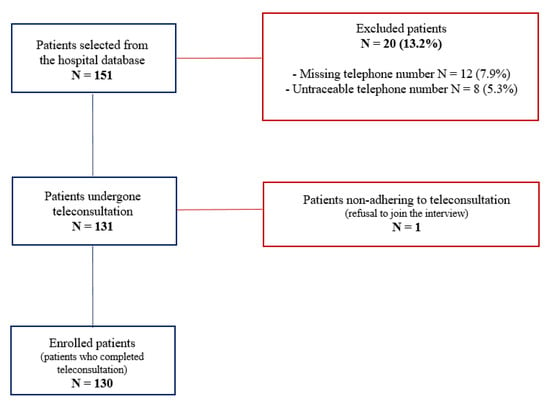
The Impact of the COVID-19 Outbreak on Patients’ Adherence to PCSK9 Inhibitors Therapy
Source : https://www.mdpi.com/2077-0383/11/3/475/htm
PCSK9 inhibitors (PCSK9i) are monoclonal antibodies that have been shown to be effective in reducing both LDL cholesterol (LDL-C) values and major cardiovascular events in patients at high cardiovascular risk....
Share
-
Dr Hamid4yrFacilitating patients’ access to PCSK9i and enhancing telemedicine seem to be effective strategies to ensure the continuity of care and appropriate management of these patients.

Circulating GPIHBP1 levels and microvascular complications in patients with type 2 diabetes: A cross-sectional study
Source : https://www.lipidjournal.com/article/S1933-2874(22)00021-6/pdf
Dyslipidemia is a major risk factor for coronary heart disease (CHD) in patients with type 2 diabetes mellitus (T2DM),1,2 whose risk of CHD is two-to three-fold higher than in individuals...
Highlights: "Serum GPIHBP1 levels were higher in patients with type 2 diabetes mellitus (T2DM). Serum GPIHBP1 levels were higher in T2DM patients with microvascular complications. Serum GPIHBP1 levels independently associated with T2DM microvascular complications".
Share
Highlights: "L. plantarum ECGC 13110402 supports the reduction of multiple cholesterol biomarkers. L. plantarum ECGC 13110402 has high bile salt hydrolase activity. L. plantarum ECGC 13110402 is a well-tolerated and safe probiotic strain. L. plantarum ECGC 13110402 improves the lipid profiles of dyslipidaemic patients".
Share

In conclusion, coronary CTA has provided welcome insights into the role of Lp(a) in plaque progression. In concert with imaging evidence, the clinical evidence on whether substantially lowering Lp(a) will reduce cardiovascular events is expected in 2025 from Lp(a) HORIZON. A positive trial is likely to lead to additional trials and new drugs...
Share