


Competing Genetic Traits and Their Influence on LDL Cholesterol Concentration in Familial Hypercholesterolemia
Source : https://www.ncbi.nlm.nih.gov/pmc/articles/PMC10801839/
Familial hypercholesterolemia is a monogenic disorder that leads to premature atherosclerosis as a result of lifelong exposure to elevated low-density lipoprotein cholesterol (LDL-C). Both genetic traits and lifestyle factors can...
Patients with a family history of hypercholesterolemia and significantly elevated LDL-C without other major comorbidities can be evaluated with genetics to further elucidate their overall CV risk profile and alter management.
Share





Multi-Trajectories of Triglyceride-Glucose Index and Lifestyle With Cardiovascular Disease: a Cohort Study
Source : https://pubmed.ncbi.nlm.nih.gov/38093279/
Distinct multi-trajectories of TyG levels and lifestyle scores corresponded to differing CVD risks. The CVD risk caused by a high level TyG trajectory remained increased despite adopting healthier lifestyles. These...
The CVD risk caused by a high-level triglyceride-glucose trajectory remained increased despite study participants adopting healthier lifestyles.
Share

Lipoprotein-Associated Phospholipase A2 Predicts Cardiovascular Death in Patients on Maintenance Hemodialysis: a 7-Year Prospective Cohort Study
Source : https://www.ncbi.nlm.nih.gov/pmc/articles/PMC10785463/
Cardiovascular diseases (CVD) is the leading cause of death among maintenance hemodialysis patients, with dyslipidemia being a prevalent complication. The paradoxical relationship between cardiovascular outcomes and established lipid risk markers,...
In this study, when stratified by median values or when assessed as a continuous variable, elevated Lp-PLA2 activity is consistently associated with an increased risk of CV mortality and the occurrence of MACEs.
Share
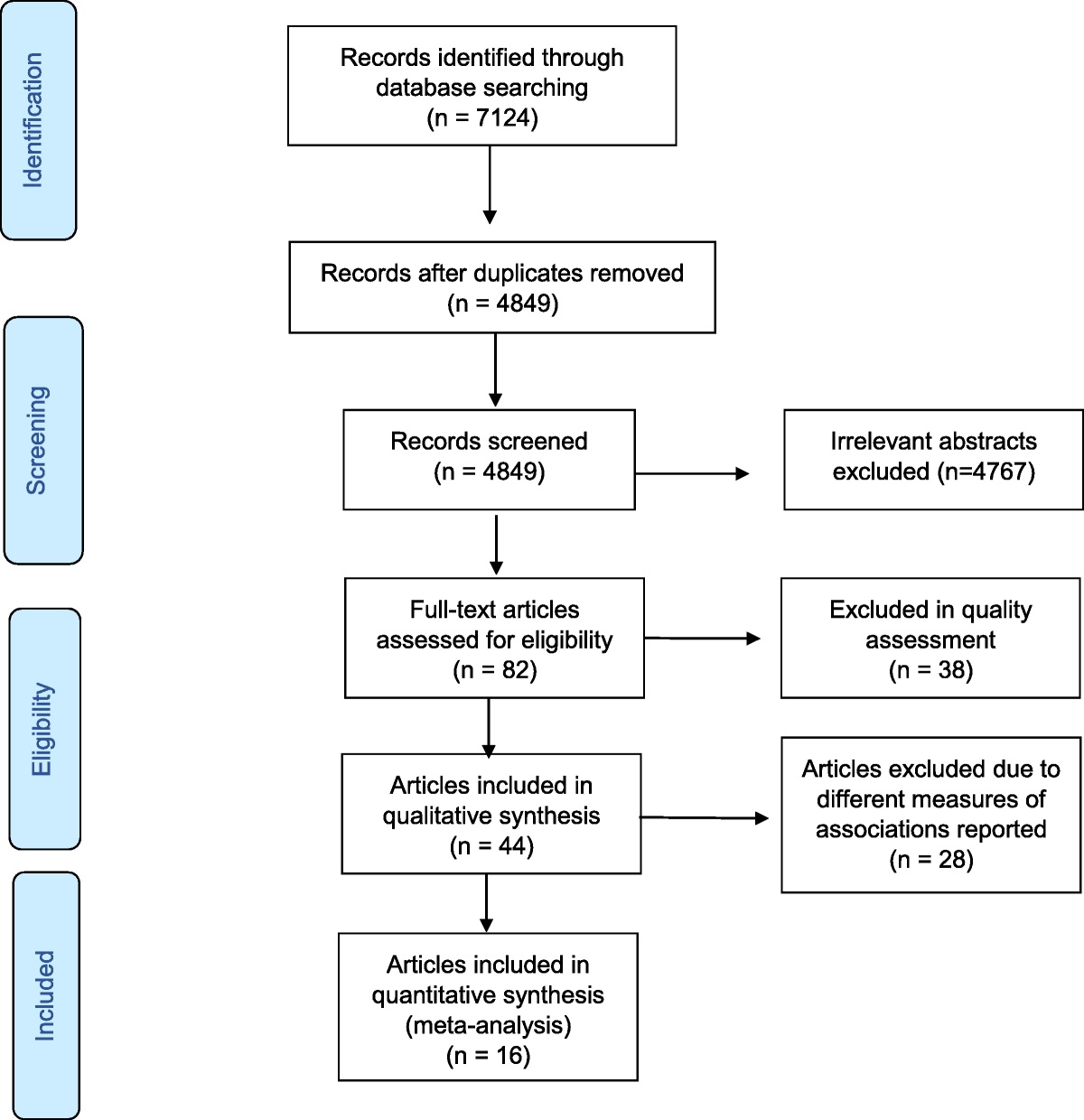
The Association of Menopause With Cardiometabolic Disease Risk Factors in Low- and Middle-Income Countries: a Systematic Review and Meta-Analyses
This would better inform early monitoring and intervention strategies for reducing CMD risk factor levels in midlife women in these regions. Objective This study aimed to evaluate evidence from the...
Compared with premenopausal women, the postmenopausal stage was associated with metabolic syndrome, high waist-to-hip ratio, hypertension, elevated triglycerides, and elevated plasma glucose.
Share

Effects of Proprotein Convertase Subtilisin-Kexin Type 9 Inhibitors on Inflammatory and Hemostatic Parameters in Post Myocardial Infarction Patients
Source : https://pubmed.ncbi.nlm.nih.gov/38070635/
Despite progress in treatment, elevated levels of low-density lipoprotein cholesterol (LDL-C) and lipoprotein (a) (Lp(a)), represent a significant part of the residual risk. Both are associated with inflammation and the...
These results show that inflammatory cytokines and fibrinolytic parameters are related to LDL-C and not Lp(a) in patients postmyocardial infarction before and with neither of them following PCSK9 inhibitor treatment.
Share