




LOGAN-CV: A Prospective Study of a Multifaceted Intervention Targeting United States Clinicians to Improve Guideline-Based Management of Lipid-Lowering Therapy
Source : https://link.springer.com/article/10.1007/s12325-023-02716-6
The 2018 American Heart Association (AHA)/American College of Cardiology (ACC)/Multisociety blood cholesterol guidelines recommend clinicians consider adding non-statin therapy for patients with very high-risk (VHR) atherosclerotic cardiovascular disease (ASCVD) and...
The clinician education modules developed can help in overcoming clinical inertia, support clinicians in providing guideline-based LLT, and enable patients to achieve recommended LDL-C levels.
Coronary and Extra-Coronary Subclinical Atherosclerosis to Guide Lipid-Lowering Therapy
Source : https://link.springer.com/article/10.1007/s11883-023-01161-8
The most robust evidence for the use of CAC scoring is in select individuals, 40-75 years of age, at borderline to intermediate 10-year ASCVD risk.
Identification of coronary calcium in selected patients is the single best noninvasive imaging modality to identify future ASCVD risk and inform lipid-lowering therapy decision-making.

Long-Term Mortality in Patients With Severe Hypercholesterolemia Phenotype From a Racial and Ethnically Diverse US Cohort
Source : https://pubmed.ncbi.nlm.nih.gov/37970713/
In a large, diverse cohort of US patients with the severe hypercholesterolemia phenotype, we identified several patient characteristics associated with increased 9-year all-cause mortality and observed a decrease in statin...
In a large, diverse cohort of US patients with the severe hypercholesterolemia phenotype, we identified several patient characteristics associated with increased 9-year all-cause mortality. A significant survival benefit was conferred by lipid-lowering therapy.

Age-Dependent Association of Metabolic Dyslipidemia With Clinical Expression of Hypertrophic Cardiomyopathy
Source : https://pubmed.ncbi.nlm.nih.gov/37935337/
High triglyceride and low HDL-C levels are associated with a higher incidence of HCM, particularly in young individuals.
High triglyceride and low high-density lipoprotein cholesterol levels, the 2 dyslipidemia-related components of metabolic syndrome, are associated with a higher incidence of clinical HCM.

High Residual Cardiovascular Risk After Lipid-Lowering: Prime Time for Predictive, Preventive, Personalized, Participatory, and Psycho-Cognitive Medicine
Source : https://www.ncbi.nlm.nih.gov/pmc/articles/PMC10613690/
As time has come to translate trial results into individualized medical diagnosis and therapy, we analyzed how to minimize residual risk of cardiovascular disease (CVD) by reviewing papers on "residual...
Digital medicine can aid to move forward towards P5 medicine, in terms of prediction through the collection of big data and AI, prevention through monitoring of patient characteristics, and personalized and participatory by involving the patient when carrying wearable devices.

Characterization and LDL-C Management in a Cohort of High and Very High Cardiovascular Risk Patients: the PORTRAIT-DYS Study
Source : https://pubmed.ncbi.nlm.nih.gov/37933175/
We found that LDL-C control was very low in patients at higher risk of CV events. An alarming gap between guidelines on dyslipidemia management and clinical implementation persists, even in...
In this European study, poor LDL-C control was seen across all cohorts, with LDL-C goal attainment rates of 32%, 10%, and 18% for high-risk CV, ASCVD equivalent, and ASCVD cohorts, respectively.
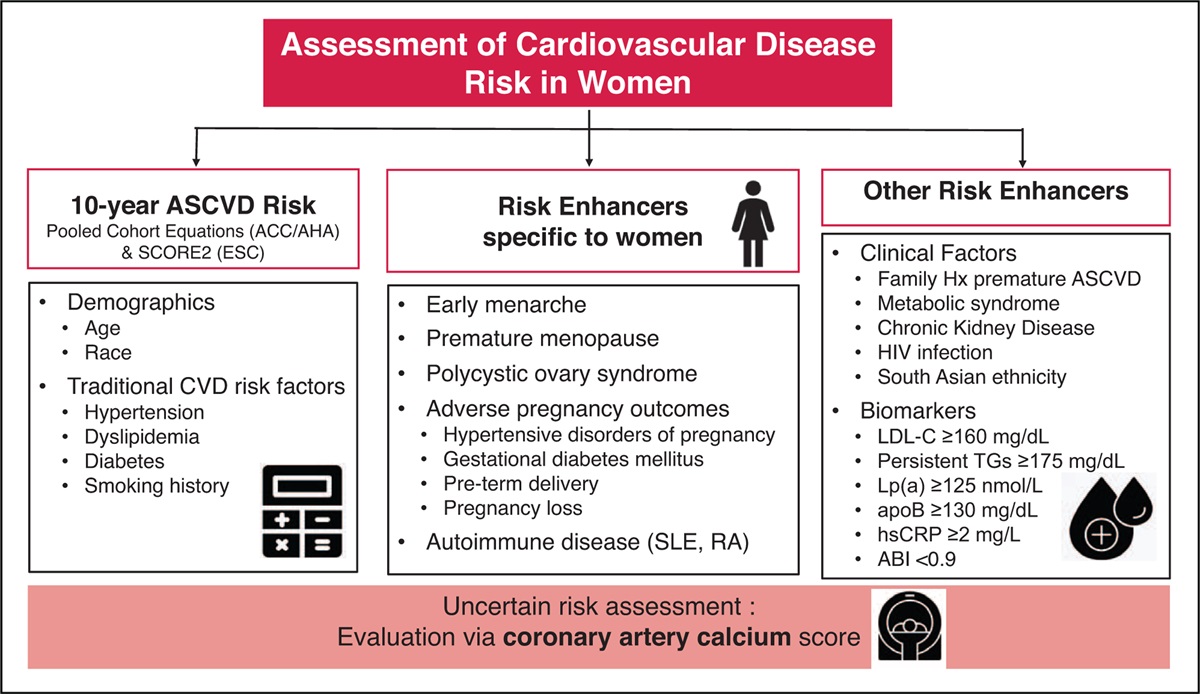
Cardiovascular Disease Prevention in Women – the Current State in 2023
Recent studies have demonstrated the need to account for risk factors specific to women in current risk assessment models for CVD, including early menarche, polycystic ovary syndrome, adverse pregnancy outcomes,...
At-risk women benefit similarly to lipid-lowering and other preventive therapies as men but are less likely to be treated.

Site-Specific Genome Editing in Treatment of Inherited Diseases: Possibility, Progress, and Perspectives
Source : https://www.ncbi.nlm.nih.gov/pmc/articles/PMC10388762/
Advancements in genome editing enable permanent changes of DNA sequences in a site-specific manner, providing promising approaches for treating human genetic disorders caused by gene mutations.
Site-specific genome editing systems are exciting, inspiring, and promising. With continuous improvement of delivery vehicles, enzymes, and repair pathways in their accuracy, specificity, and efficiency, the scope of their applications in inherited diseases such as heterozygous familial hypercholesterolemia will expand.

Low-Density Lipoprotein Cholesterol Reduction Therapies for Secondary Prevention in Patients With Stroke: a Network Meta-Analysis
Source : https://www.eurekaselect.com/article/135397
Patients with previous strokes are at a higher risk of stroke recurrence. Current guidelines recommend a range of low-density lipoprotein cholesterol (LDL-C)-lowering treatments to reduce the risk of recurrent stroke....
Overall, 9 trials comprising 17,226 patients were included. Treatment with statins was related to an increased risk of hemorrhagic stroke versus placebo (RR: 1.57, 95% CrI: 1.13-2.21).

Real‐World Effectiveness of PCSK9 Inhibitors in Reducing LDL‐C in Patients With Familial Hypercholesterolemia in Italy: a Retrospective Cohort Study Based on the AIFA Monitoring Registries
Source : https://pubmed.ncbi.nlm.nih.gov/37850449/
Background Information on the real-world use of proprotein convertase subtilisin kexin 9 inhibitors (PCKS9is) in familial hypercholesterolemia are limited.
A group of international researchers showed that the full achievement of European Atherosclerosis Society/European Society of Cardiology LDL‐C goals should require a lower threshold for PCSK9 inhibitor initiation and eventually combination of multiple lipid‐lowering therapies.

Aggressive LDL-C Lowering and the Brain: Impact on Risk for Dementia and Hemorrhagic Stroke: a Scientific Statement From the American Heart Association
Source : https://pubmed.ncbi.nlm.nih.gov/37706297/
The objective of this scientific statement is to evaluate contemporary evidence that either supports or refutes the conclusion that aggressive low-density lipoprotein cholesterol lowering or lipid lowering exerts toxic effects...
The risk of a hemorrhagic stroke associated with statin therapy in patients without a history of cerebrovascular disease is nonsignificant, and achieving very low levels of low-density lipoprotein cholesterol does not increase that risk.

The Effects of Statin Therapy on Aneurysm Size, Growth Rate, and Matrix Metalloproteinases-9 Levels in Patients With Aortic Aneurysm: a Systematic Review and Meta-Analysis
Source : https://www.ncbi.nlm.nih.gov/pmc/articles/PMC10575821/
Aortic aneurysm enlargement over time causes rupture, which frequently results in death. The family of proteases known as matrix metalloproteinases (MMP) is assumed to be proteolytic activity involved in the...
Overall, this meta-analysis demonstrates that statin medication is considerably helpful in reducing aneurysm diameter size and aneurysmal growth rate in individuals with aortic aneurysm.

Evolocumab in Paediatric Heterozygous Familial Hypercholesterolaemia: Cognitive Function During 80 Weeks of Open-Label Extension Treatment
Source : https://pubmed.ncbi.nlm.nih.gov/37855448/
In paediatric patients with FH, 80 weeks of open-label evolocumab treatment had no negative impact on cognitive function.
Because cholesterol is important for development and adequate function of the brain, there is a concern that lowering cholesterol in children may affect mental ability. In this study, researchers tested whether treating children with evolocumab for 80 weeks affected mental ability in performing several tasks.
PCSK9 Inhibition Ameliorates Experimental Autoimmune Myocarditis by Reducing TH17 Cell Differentiation Through LDLR/STAT-3/ROR-γT Pathway
Source : https://www.sciencedirect.com/science/article/abs/pii/S1567576923012870?via=ihub
Proprotein convertase subtilisin kexin type 9 (PCSK9) was characterized as a protein regulating circulating cholesterol metabolism; however, recent st...
PCSK9 inhibition ameliorated the severity of EAM mice by reducing Th17 cell differentiation. PCSK9 is a promising target for treating myocarditis.

Real-World Insights Into Evolocumab Use in Patients With Hyperlipidemia Across Five Countries: Analysis From the ZERBINI Study
Source : https://link.springer.com/article/10.1007/s40119-023-00334-5
Introduction This study characterizes patients receiving evolocumab in clinical practice and assesses treatment effectiveness, safety and persistence outcomes across five countries. Methods This retrospective and prospective observational study enrolled patients...
These findings provide real-world evidence that evolocumab use is in accordance with its international guideline-recommended place in dyslipidemia therapy, as well as confirmation of its effectiveness and safety in a heterogeneous population. Evolocumab can address a healthcare gap in the management of dyslipidemia by increasing the...

PCSK9 Inhibitors Suppress Oxidative Stress and Inflammation in Atherosclerotic Development by Promoting Macrophage Autophagy
Source : https://www.ncbi.nlm.nih.gov/pmc/articles/PMC10492065/
Objectives: Proprotein convertase subtilisin/kexin type 9 (PCSK9) inhibitors, a novel class of cholesterol-lowering drugs, can reduce atherosclerosis independent of systemic lipid changes. However, the mechanism by which PCSK9 inhibition protects...
This study reveals a novel protective mechanism by which PCSK9 inhibition enhances autophagy and thereby reduces oxidative stress and inflammation in atherosclerosis.

Long-Term Safety and Effectiveness of Alirocumab and Evolocumab in Familial Hypercholesterolemia (FH) in Belgium
Source : https://pubmed.ncbi.nlm.nih.gov/37767917/
Background: In 2019, the European Atherosclerosis Society (EAS) published updated guidelines, recommending even lower blood cholesterol targets than previously. In patients with familial hypercholesterolaemia (FH), who have very elevated blood...
Anti-PCSK9 mAb are a safe and effective therapeutic option for lowering LDL-C levels in FH patients. It allowed a significant portion of our FH patients to reach their lipid targets, mainly in those with combined therapy with statin and/or ezetimibe.

Lipoprotein(a) and Benefit of PCSK9 Inhibition in Emergency Complex Higher-risk and Indicated Patients
Source : https://pubmed.ncbi.nlm.nih.gov/37755635/
The early initiation of PCSK9 inhibitors can significantly reduce the LDL-C and Lp(a) levels in ACS CHIPs-PCI. However, further studies are needed to confirm whether PCSK9 inhibitors can reduce the...
The early initiation of PCSK9 inhibitors can significantly reduce the LDL-C and Lp(a) levels in ACS CHIPs-PCI. However, further studies are needed to confirm whether PCSK9 inhibitors can reduce the incidence of CV disease in CHIPs.
Major Cardiovascular Events Increase in Long-Term Proprotein Convertase Subtilisin/Kexin Type 9 Inhibitors Therapy: the Tuscany Cost-Effective Study
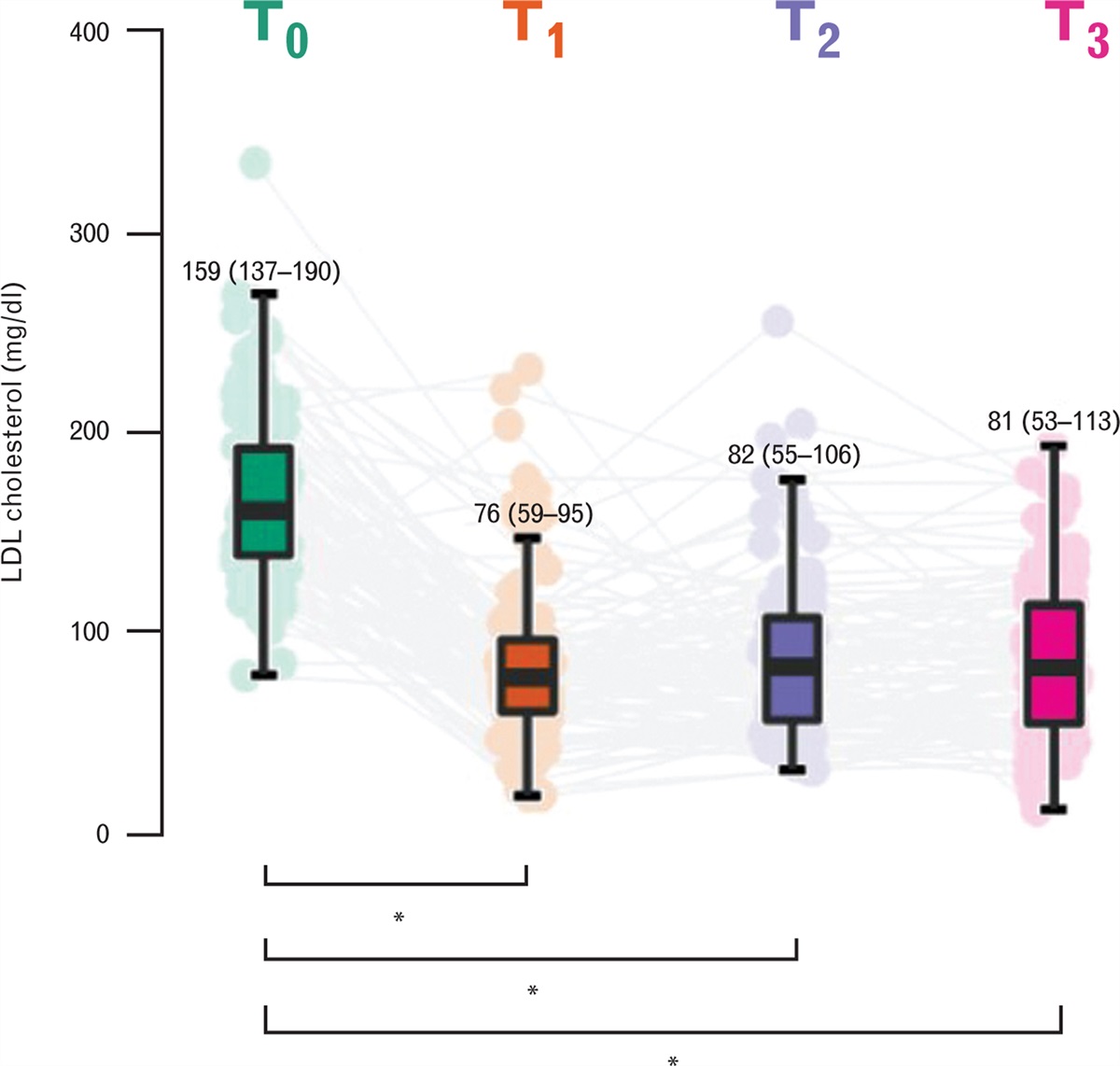
g the study period (July 2017 to February 2022) 246 patients (mean age 61 ± 11 years, male 73%) who were evolocumab (142/246) or alirocumab (104/246) new users were enrolled in the CERTI...
Our data agree with the large evidence on the effectiveness/tolerability of PCSK9i therapy; however, although PCSK9i represents a good cholesterol-lowering therapeutic option, our study shows a progressive increase in MACEs during the late follow-up that deserve further research.
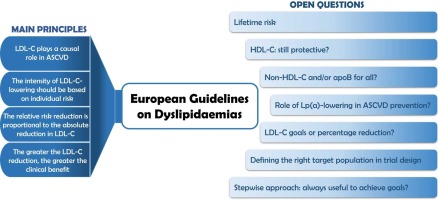
European guidelines for the treatment of dyslipidaemias: New concepts and future challenges
Source : https://www.sciencedirect.com/science/article/pii/S104366182300292X?via=ihub
Atherosclerotic cardiovascular disease (ASCVD) is the leading cause of mortality and morbidity worldwide. Low-density lipoprotein cholesterol (LDL-C) ...
There is the question of whether combination therapy should be used as the first step to maximise the effectiveness of the pharmacological approach, avoiding the stepwise approach, which is likely to have a detrimental effect on adherence. Given the ever-changing landscape and the availability of new drugs targeting other important lipids,...