



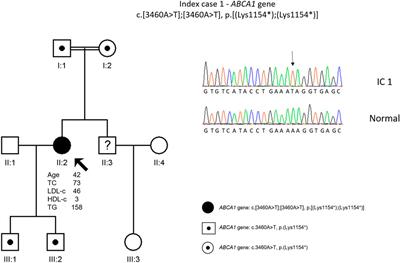
Rare primary dyslipidaemias associated with low LDL and HDL cholesterol values in Portugal
Source : https://www.frontiersin.org/articles/10.3389/fgene.2022.1088040/full
Background: Dyslipidaemia represents a group of disorders of lipid metabolism, characterized by either an increase or decrease in lipid particles, usually associated with triglycerides, LDL cholesterol (LDL-C) and/or HDL cholesterol...
Conclusion: We report here the clinical and molecular characteristics of seven patients with rare lipid disorders associated with low LDL or low HDL. Two cases presented with hypoalphalipoproteinemia, and the genetic workup allowed the diagnosis of Tangier disease in one and of Fish Eye Disease in the other. These are ultrarare disorders,...
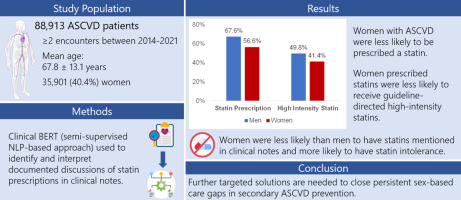
Natural language processing to identify reasons for sex disparity in statin prescriptions
Source : https://www.sciencedirect.com/science/article/pii/S2666667723000375?via=ihub
Statins are the cornerstone of treatment of patients with atherosclerotic cardiovascular disease (ASCVD). Despite this, multiple studies have shown that women with ASCVD are less likely to be prescribed statins...
Conclusions: Women with ASCVD were less likely to be prescribed guideline-directed statins compared with men. NLP identified additional sex-based statin disparities and reasons for statin non-prescription in clinical notes of patients with ASCVD.

Soluble PCSK9 Inhibition: Indications, Clinical Impact, New Molecular Insights and Practical Approach-Where Do We Stand? - PubMed
Source : https://pubmed.ncbi.nlm.nih.gov/37109259/
The .gov means it's official. Federal government websites often end in .gov or .mil. Before sharing sensitive information, make sure you're on a federal government site. The site is secure....
Conclusions/Relevance: Several clues suggest that regulation of PCSK9 represents a cornerstone of cardiovascular prevention, partly because of some pleiotropic effects attributed to these newly developed drugs. New mechanisms of PCSK9 regulation are being explored, and further efforts need to be put in place to reach patients with these new...
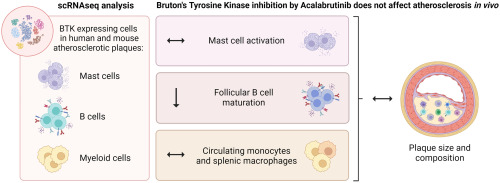
Bruton's Tyrosine Kinase inhibition by Acalabrutinib does not affect early or advanced atherosclerotic plaque size and morphology in Ldlr-/- mice
Source : https://www.sciencedirect.com/science/article/pii/S1537189123000320?via=ihub
In human plaques, BTK is mainly expressed in mast cells, B cells and myeloid cells. * Acalabrutinib dose-dependently inhibits bone marrow-derived mast cell activation. * Acalabrutinib treatment does not affect...
Conclusions/Relevance: Conclusively, BTK inhibition by Acalabrutinib alone did neither affect either mast cell activation nor early- and advanced atherosclerosis, despite the effects on follicular B cell maturation.
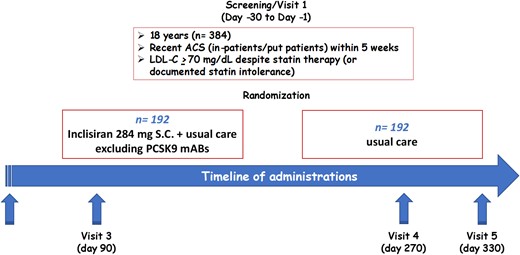
Hypocholesterolaemic treatment in coronary unit: from statins to anti PCSK9 therapies and bempedoic acid
Source : https://academic.oup.com/eurheartjsupp/article/25/Supplement_B/B55/7135794?login=false
Coronary artery disease remains a major cause of death in the developed world, although many improvements in its prevention and management. Acute coronary syndrome (ACS) [which includes unstable angina, non-ST-segment-elevation...
Conclusions: The benefit of intensive LDL-C lowering to reduce cardiovascular risk is recognized in international guidelines in patients after an ACS. Indeed, ∼20% of ACS survivors experience a subsequent ischaemic cardiovascular event within 24 months and 5-year mortality ranges from 19% to 22%. The risk reduction management of patients...
Highlights of Cardiovascular Disease Prevention Studies Presented at the 2023 American College of Cardiology Conference - Current Atherosclerosis Reports
Source : https://link.springer.com/article/10.1007/s11883-023-01103-4
Purpose of Review To summarize selected late-breaking science on cardiovascular (CV) disease prevention presented at the 2023 American College of Cardiology (ACC) conference. Recent findings The CLEAR outcomes randomized control...
Summary: The late-breaking clinical science presented at the 2023 conference of the ACC paves the way for an evidence-based alternative to statin therapy and provides data on several common clinical scenarios encountered in daily practice.
Lipoprotein(a) concentrations in acute myocardial infarction patients are not indicative of levels at six month follow-up
Source : https://academic.oup.com/ehjopen/article/3/2/oead035/7107070?login=false
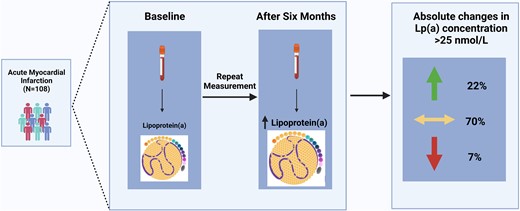
Lipoprotein(a) [Lp(a)] is a low-density lipoprotein like particle containing apolipoprotein B covalently linked to a carbohydrate-rich protein termed apolipoprotein(a) [apo(a)]. Mechanistic and epidemiologic studies indicate that Lp(a) levels are significantly...
Conclusion: This study demonstrated that Lp(a) levels in individuals with acute MI are significantly higher six months after the initial event. Therefore, a single measurement of Lp(a) in the peri-infarction setting is not sufficient to predict the Lp(a)-associated CAD risk in the post-infarction period.
Conclusions and relevance: In this cohort study of Asian patients with breast cancer, statin use was associated with a reduced risk of cancer-associated death rather than cardiovascular death. Our findings provide evidence to support the use of statins in patients with breast cancer; however, randomized studies are necessary.
Familial Hypercholesterolemia: Challenges for a High-Risk Population: JACC Focus Seminar 1/3
Source : https://www.sciencedirect.com/science/article/abs/pii/S0735109723045229?via=ihub
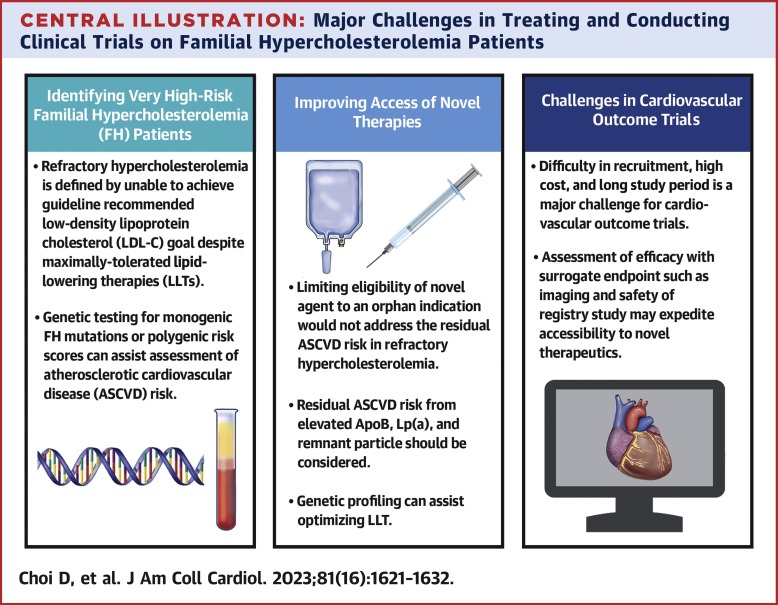
The availability of , , and (FH). However, a great number of individuals with FH do not achieve guideline-recommended low-density lipoprotein (LDL) cholesterol levels despite maximal lipid-lowering therapy. Novel therapies...
Conclusions/Relevance: Conduction of cardiovascular outcomes clinical trials in patients with FH can be challenging because of difficulty in recruitment and long periods of follow-up. In the future, the use of validated surrogate measures of atherosclerosis may allow for clinical trials with fewer study participants and shorter duration,...

LDL cholesterol targets rarely achieved in familial hypercholesterolemia patients: A sex and gender-specific analysis - PubMed
Source : https://pubmed.ncbi.nlm.nih.gov/37080805/
In routine practice, only a minority of women and men with FH achieved their LDL-C treatment target. Extra efforts have to be made to provide FH patients with reliable information...
Conclusions: In routine practice, only a minority of women and men with FH achieved their LDL-C treatment target. Extra efforts have to be made to provide FH patients with reliable information on the safety of statins and their long-term effects on CVD risk reduction. If statin treatment is insufficient, alternative lipid lowering...

Sex differences in efficacy and safety of PCSK9 monoclonal antibodies: A real-world registry - PubMed
Source : https://pubmed.ncbi.nlm.nih.gov/37059655/
The .gov means it's official. Federal government websites often end in .gov or .mil. Before sharing sensitive information, make sure you're on a federal government site. The site is secure....
Conclusions: In clinical practice, PCSK9 mAbs are less effective in reducing LDL-c levels in women compared to men and equally safe, implying the importance of sex differences in PCSK9 metabolism.

PCSK9 inhibitor attenuates atherosclerosis by regulating SNHG16/EZH2/TRAF5-mediated VSMC proliferation, migration, and foam cell formation - PubMed
Source : https://pubmed.ncbi.nlm.nih.gov/37017413/
The .gov means it's official. Federal government websites often end in .gov or .mil. Before sharing sensitive information, make sure you're on a federal government site. The site is secure....
Conclusions/Relevance: The protective regulation of PCSK9 inhibitor was observed both in high-fat diet (HFD)-fed mice and oxidized low-density lipoprotein (ox-LDL)-treated VSMC, as manifested in the decreased the atherosclerotic lesions in vivo, as well as the weakened cell proliferation, migration, and formation of foam cells in vitro....
The cholesterol-lowering effect of statins is modified by LILRB5 intolerance genotype: Results from a recruit-by-genotype clinical trial
Source : https://www.frontiersin.org/articles/10.3389/fphar.2023.1090010/full
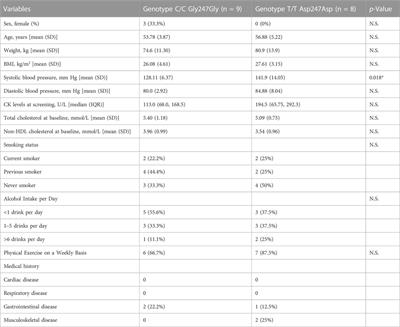
Background/Aims: Statin intolerance leads to poor adherence to statin therapy, resulting in a failure to achieve desired cholesterol reduction and adverse outcomes. The LILRB5 Asp247Gly genotype has been identified as...
Conclusion: The Asp247Gly variant in LILRB5, previously associated with statin intolerance, was associated with differential increases in creatine kinase and total cholesterol and non-HDL cholesterol-lowering response to atorvastatin. Taken together, these results suggest that this variant could have utility in precision cardiovascular...

The N-Acetylgalactosamine-conjugated small interfering RNA inclisiran can be coadministered safely with atorvastatin in cynomolgus monkeys resulting in additive low-density lipoprotein cholesterol reductions - PubMed
Source : https://pubmed.ncbi.nlm.nih.gov/37021909/
Inclisiran, a small interfering RNA, selectively inhibits proprotein convertase subtilisin/kexin type 9 (PCSK9) synthesis in the liver and has been shown to reduce low-density lipoprotein cholesterol (LDL-C) by ≥50% in...
Summary: Inclisiran significantly inhibited PCSK9 synthesis and decreased LDL-C in cynomolgus monkeys without increasing the risk of adverse effects when coadministered with atorvastatin.
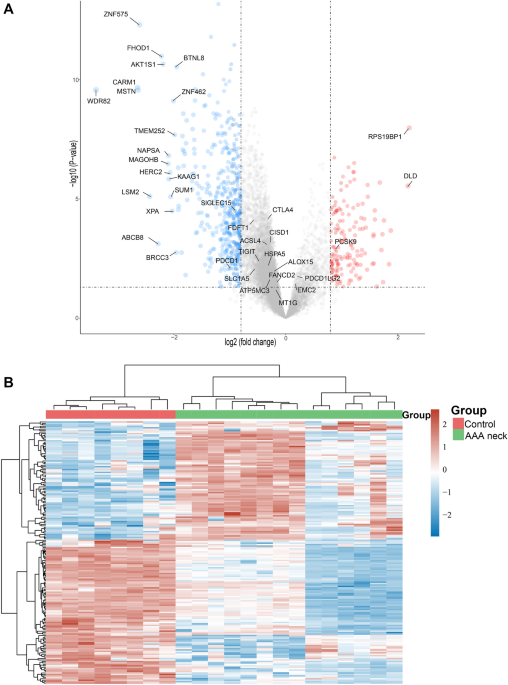
PCSK9, a novel immune and ferroptosis related gene in abdominal aortic aneurysm neck - Scientific Reports
Source : https://www.nature.com/articles/s41598-023-33287-9
The gene expression profile of abdominal aortic aneurysm (AAA) neck is not fully understood. The etiology of AAA is considered to be related to atherosclerosis and the inflammatory response, involving...
Conclusion: PCSK9 was highly expressed in AAA neck, and may exert its role through interacting with immune check-points and ferroptosis-related genes.
-
 Lipid Management Connect3yrKey Points • Source: Scientific Reports • Conclusion: “PCSK9 was highly expressed in AAA [abdominal aortic aneurysm] neck, and may exert its role through interacting with immune check-points and ferroptosis-related genes …. We found Show More

Effect of Different Types and Dosages of Proprotein Convertase Subtilisin/Kexin Type 9 Inhibitors on Lipoprotein(a) Levels: A Network Meta-Analysis
on Lp(a) have not been studied in detail. These include two monoclonal antibodies, alirocumab and evolocumab, and inclisiran, a small interfering RNA. We searched PubMed, Web of Science, Embase, and...
Conclusions/Relevance: Therefore, for patients with very high Lp(a) levels who remain at high residual risk in the context of statin administration, it may be acceptable to use a kind of PCSK9 inhibitor, but the clinical benefit needs further investigation.
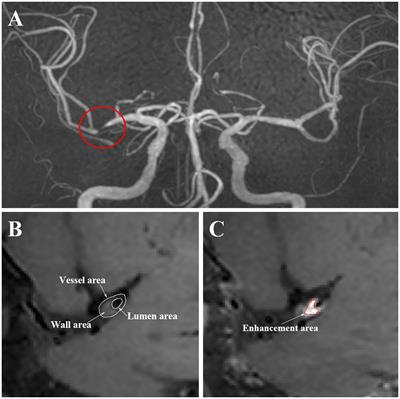
Effect of PCSK9 inhibition in combination with statin therapy on intracranial atherosclerotic stenosis: A high-resolution MRI study
Source : https://www.frontiersin.org/articles/10.3389/fnagi.2023.1127534/full
IntroductionIntracranial atherosclerotic stenosis (ICAS) is a common cause of stroke worldwide. Evolocumab, a proprotein convertase subtilisin/kexin type-9 inhibitor (PCSK9i), effectively lowers low-density lipoprotein (LDL) and produces favorable changes in coronary...
Discussion: Statin and PCSK9i combination treatment stabilized intracranial atherosclerotic plaques more often compared to statins alone, as documented by HR-MRI. Further study is warranted to determine if combination treatment improves clinical outcomes in ICAS.

Association of cholesterol levels with hemorrhagic transformation and cerebral edema after reperfusion therapies
Source : https://www.ncbi.nlm.nih.gov/pmc/articles/PMC10069196/
Irene Escudero-Martínez, 1, 2 Magnus Thorén, 3, 4 Marius Matusevicius, 3, 5 Charith Cooray, 3, 5 Andrea Zini, 6 Christine Roffe, 7 Danilo Toni, 8 Georgios Tsivgoulis, 9 Peter Ringleb,...
Conclusions: Our findings indicate an independent association between low levels of TC and higher odds of moderate/severe CED. Further studies are needed to confirm these findings.
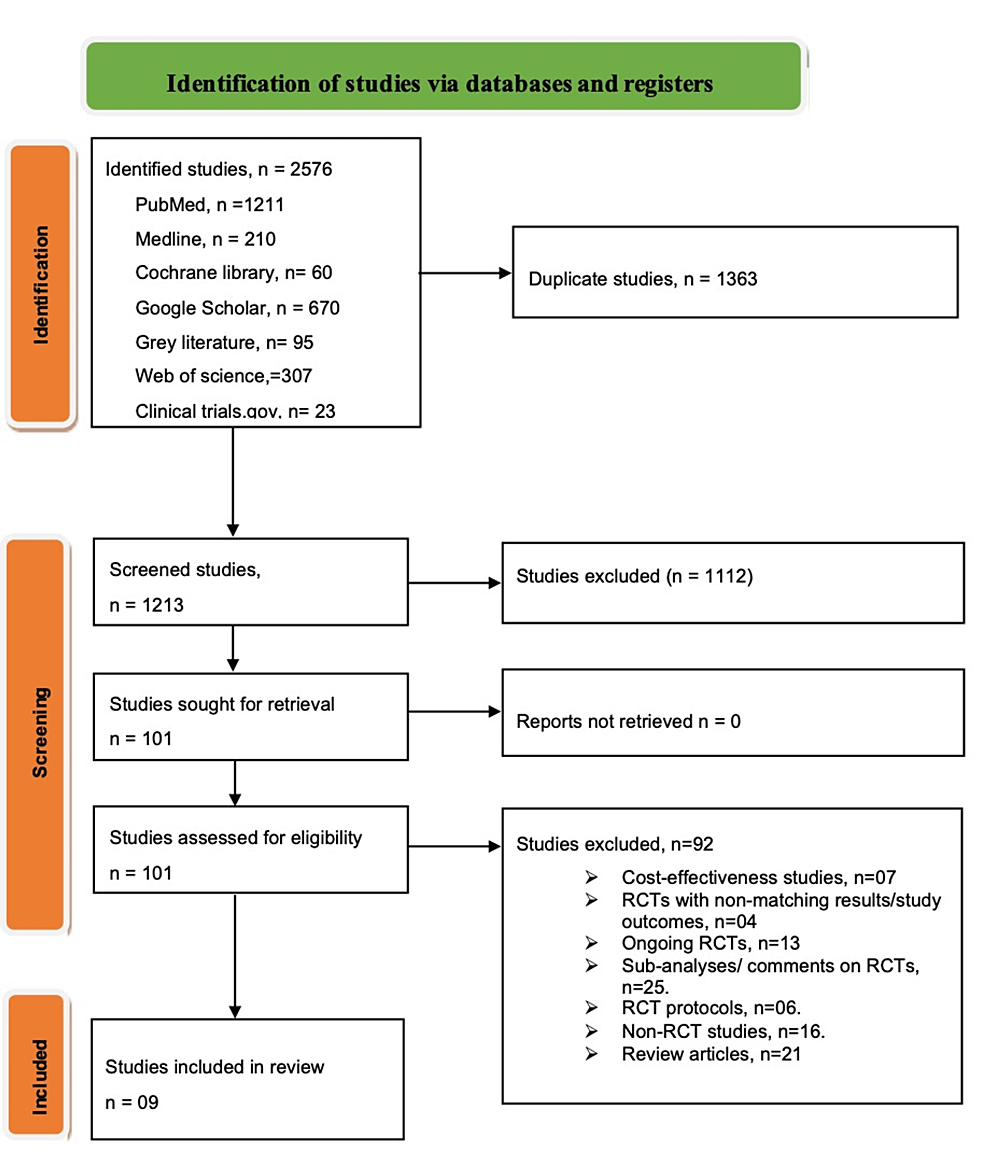
Safety and Effectiveness of Evolocumab During Acute and Sub-acute Phases of Acute Coronary Syndrome (ACS): A Systematic Review and Meta-analysis
Background: Coronary artery disease (CAD), manifested mainly as acute coronary syndrome (ACS), continues to be a major cause of mortality globally and a significant contributing factor to the global disease...
Conclusion: Early evolocumab therapy initiation was associated with a significant decrease in LDL-C levels and was not associated with an increased risk of adverse effects in comparison to placebo.

Management of Statin Intolerant Patients in the Era of Novel Lipid Lowering Therapies: A Critical Approach in Clinical Practice - PubMed
Source : https://pubmed.ncbi.nlm.nih.gov/36983444/
Statins are the cornerstone of lipid-lowering therapies effective for cardiovascular risk reduction. Although they are generally well tolerated, statin intolerance (SI) is frequent in clinical practice, and it is usually...
Relevance: In this review, we evaluated SI management focusing on non-statin lipid lowering therapies and their implications in lipid lowering approaches in clinical practice.