




Safety and Effectiveness of Alirocumab, a Proprotein Convertase Subtilisin/Kexin Type 9 (PCSK9) Inhibitor, in Patients With Familial or Non-Familial H ...
Source : https://www.jstage.jst.go.jp/article/circj/advpub/0/advpub_CJ-22-0445/_article
Background: This study evaluated the safety and effectiveness of alirocumab in Japanese patients with familial hypercholesterolemia (FH) or non-FH in a real-world clinical setting. Methods and Results: This post-marketing surveillance study had...
Conclusions: Alirocumab was well tolerated and showed effectiveness in Japanese patients with hypercholesterolemia in a real-world clinical setting.

Association between Familial Hypercholesterolemia and Serum Levels of Cholesterol Synthesis and Absorption Markers: The CACHE Study FH Analysis
Source : https://www.jstage.jst.go.jp/article/jat/advpub/0/advpub_63899/_article
Aim: Serum levels of cholesterol absorption and synthesis markers are known to be associated with cardiovascular risk. Familial hypercholesterolemia (FH) is a well-known inherited disorder presenting elevated low-density lipoprotein cholesterol...
Conclusion: FH group had significantly elevated serum Campe and Sito concentrations and insignificantly elevated Latho concentrations; thus, intestinal cholesterol absorption relative to hepatic cholesterol synthesis was suggested to be elevated in patients with FH. Serum Latho, Campe, and Sito concentrations showed nonlinear associations with...

Atherosclerosis With Immune Checkpoint Inhibitor Therapy: Evidence, Diagnosis, and Management: JACC: CardioOncology State-of-the-Art Review
Source : https://www.sciencedirect.com/science/article/pii/S2666087322004690?via=ihub
As the clinical applications of immune checkpoint inhibitors (ICIs) expand, our knowledge of the potential adverse effects of these drugs continues to...
Relevance: Immune checkpoint inhibitor (ICI) therapy is associated with an increased risk of atherosclerotic CV events likely mediated by accelerated atherosclerosis.

SIRT3 mediates the effects of PCSK9 inhibitors on inflammation, autophagy, and oxidative stress in endothelial cells
Source : https://www.thno.org/v13p0531.htm
Theranostics 2023; 13(2):531-542. doi:10.7150/thno.80289 This issue Cite Research Paper Nunzia D'Onofrio 1*, Francesco Prattichizzo 2*, Raffaele Marfella 3,4, Celestino Sardu 3, Elisa Martino 1, Lucia Scisciola 3, Lorenza Marfella 3,...
Conclusions: Overall, these data suggest that PCSK9i bear intrinsic anti-inflammatory, anti-autophagic, and antioxidant properties in endothelial cells, and that these pleiotropic effects might be mediated, at least in part, by SIRT3. These results provide an additional mechanism supporting the emerging knowledge relative to the benefit of...
-
 Lipid Management Connect3yrKey Points • Source: Theranostics • Conclusions: “Overall, these data suggest that PCSK9i bear intrinsic anti-inflammatory, anti-autophagic, and antioxidant properties in endothelial cells, and that these pleiotropic effects might be mediated, at least in Show More

CYP2C19 metabolizer phenotypes may affect the efficacy of statins on lowering small dense low-density lipoprotein cholesterol of patients with coronary artery disease
Source : https://www.frontiersin.org/articles/10.3389/fcvm.2022.1016126/full
BackgroundDyslipidemia is a major cause of arteriosclerotic cardiovascular disease (ASCVD), and low-density lipoprotein cholesterol (LDL-C) is the profile to be reduced to prevent disease progression. Small dense low-density lipoprotein cholesterol...
Conclusion: sdLDL-C and LDLC-4 outperformed other blood lipids such as LDL-C for CAD risk screening. CYP2C19 metabolizer phenotypes had the potential to predict the efficacy of statins in lowering sdLDL-C.

Restoring mortality data in the FOURIER cardiovascular outcomes trial of evolocumab in patients with cardiovascular disease: a reanalysis based on regulatory data
Source : https://bmjopen.bmj.com/content/12/12/e060172
Objective The FOURIER trial showed a benefit of the PCSK9 inhibitor evolocumab over placebo with respect to cardiovascular outcomes in patients with cardiovascular disease. However, we observed some inconsistencies between...
Conclusion: sdLDL-C and LDLC-4 outperformed other blood lipids such as LDL-C for CAD risk screening. CYP2C19 metabolizer phenotypes had the potential to predict the efficacy of statins in lowering sdLDL-C.

Coronary artery calcium testing in young adults : Current Opinion in Cardiology
erosclerotic cardiovascular disease (ASCVD) risk factors, have CAC. While the definition of premature CAC has yet to be formally defined in guidelines, it has become increasingly clear that any prevalent...
Summary: The identification of premature CAC is important because it suggests that calcific plaque can be detected with modern imaging earlier in the natural history than previously thought. Taken together, these findings underline a utility of selective use of CAC scoring on non-contrast computed tomography among at-risk young adults to...

Statin therapy for primary prevention in men: What is the role for coronary artery calcium?
Source : https://www.lipidjournal.com/article/S1933-2874(22)00299-9/fulltext
Statin therapy is widely prescribed for patients with established ASCVD (secondary prevention). Meta-analysis of randomized clinical trials (RCTs) show conclusively that statins substantially reduce recurrent major ASCVD events (myocardial infarction...
Highlights: Statins reduce atherosclerotic cardiovascular disease in men and women. Men develop coronary atherosclerosis more rapidly than women. Most men 55 to 75 years are statin eligible by Pooled Cohort Equations. But statin eligibility may be better guided by coronary artery calcium (CAC).
Gene and cell therapy approaches for familial hypercholesterolemia: An update
Source : https://www.sciencedirect.com/science/article/abs/pii/S1359644622004639?via=ihub
Available online 23 December 2022, 103470 Author links open overlay panel Amirhossein Sahebkar Person 5 Envelope Show more * Familial hypercholesterolemia (FH) is a common inherited autosomal codominant disorder. *...
Relevance: We reviewed numerous studies that used the innovative clustered regularly interspaced short palindromic repeats (CRISPR)/CRISPR-associated protein 9 gene editing technique to correct FH-causing genetic abnormalities.

Lipid-Lowering Trials Are Not Representative of Patients Managed in Clinical Practice: A Systematic Review and Meta-Analysis of Exclusion Criteria - PubMed
Source : https://pubmed.ncbi.nlm.nih.gov/36565207/
Background Randomized clinical trials (RCTs) might not be representative of the real-world population because of unreasonable exclusion criteria. We sought to determine which groups of patients are excluded from RCTs...
Conclusions: The majority of lipid‐lowering therapy trials excluded patients with common diseases, such as moderate‐to‐severe kidney disease or heart failure or with immunosuppression. Underrepresenting certain populations, including women and older adults, might lead to limited transportability of study results and uncertainty on...
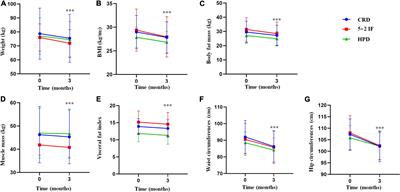
The effects of three weight management methods on body composition and serum lipids of overweight and obese people
Source : https://www.frontiersin.org/articles/10.3389/fnut.2022.1073576/full
IntroductionObesity has become a major health problem worldwide. Diet management is an important means of weight loss.
Conclusions: Our findings showed that the 5 2 IF may be more effective in reducing total weight and body fat, and HPD may be more helpful in preventing lean body mass loss during a short-term weight loss intervention.
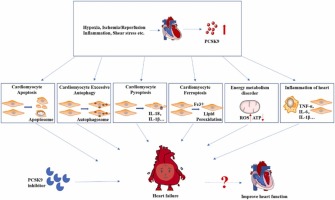
PCSK9: A emerging participant in heart failure
Source : https://www.sciencedirect.com/science/article/pii/S0753332222014950?via=ihub
HF needs new treatment strategies to ameliorate its present situation. * HF's pathogenesis involved cell death, energy metabolism, inflammation etc. * PCSK9 contributes to the pathogenesis of HF and may...
Conclusions: The purpose of this review is to summarize the potential mechanism of PCSK9’s involvement in heart failure, thereby providing a new treatment strategy for heart failure.

Genetic Spectrum of Familial Hypercholesterolaemia in the Malaysian Community: Identification of Pathogenic Gene Variants Using Targeted Next-Generation Sequencing - PubMed
Source : https://pubmed.ncbi.nlm.nih.gov/36499307/
The .gov means it's official. Federal government websites often end in .gov or .mil. Before sharing sensitive information, make sure you're on a federal government site. The site is secure....
Conclusions/Relevance: The detection rate of genetic confirmation is similar between potential and possible FH groups, suggesting a need for genetic confirmation in index cases from both groups. Clinical and genetic confirmation of FH index cases in the community may enhance the early detection of affected family members through family cascade...
-
Dr Hamid3yrprevalence of genetically confirmed FH and the detection rate of pathogenic variants (PV) amongst clinically diagnosed patients is not well established
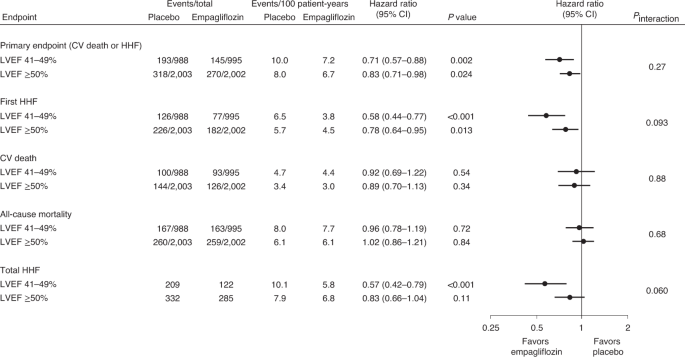
Empagliflozin benefits in patients with heart failure and preserved ejection fraction - Nature Medicine
Source : https://www.nature.com/articles/s41591-022-02050-4
Subgroup analysis of the EMPEROR-Preserved clinical trial of the glucose-lowering drug empagliflozin in chronic heart failure with left ventricular ejection fraction (LVEF) >40% found improved clinical outcomes in the cohort...
Conclusion: Subgroup analysis of the EMPEROR-Preserved clinical trial of the glucose-lowering drug empagliflozin in chronic heart failure with left ventricular ejection fraction (LVEF) >40% found improved clinical outcomes in the cohort of patients with LVEF ≥50%.
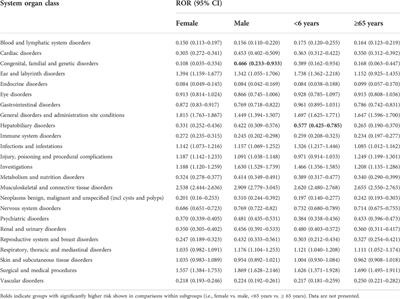
Real-world safety of PCSK9 inhibitors: A pharmacovigilance study based on spontaneous reports in FAERS
Source : https://www.frontiersin.org/articles/10.3389/fphar.2022.894685/full
Objective: We aimed to evaluate alirocumab- and evolocumab-related adverse events (AEs) in real-world compared with all other drugs, overall and by gender and age subgroups; we also aimed to compare...
Conclusion: Real-world evidence showed that PCSK9 inhibitors were associated with an increased risk of musculoskeletal and connective tissue disorders and general disorders and administration site conditions, overall and by subgroups. Muscle toxicity, injection site reactions, and influenza-like illness were significant AE signals. Compared...

The Impact of PCSK9 Modulation on Cardiovascular Outcomes: Recent Advances and the Managed Care Implications
To claim CE credit for this activity, please visit ABSTRACT http://www.pharmacytimes.org/pcsk9-ajmc Am J Manag Care. 2022;28(suppl 8):S139-S147. https://doi.org/10.37765/ajmc.2022.89269 Introduction to Hypercholesterolemia: Epidemiology and the Burden of Disease Cardiovascular disease (CVD)...
Conclusions/Relevance: Managed care professionals have considerable experience with developing approaches to providing access to novel injectable lipid-lowering therapies, such as alirocumab and evolocumab, and with the approval of inclisiran, they now have an expanding list of such therapies to incorporate into their care plans.

Bempedoic acid, an ATP citrate lyase inhibitor, reduces intimal hyperplasia via activation of AMPKα signaling pathway
Source : https://www.sciencedirect.com/science/article/pii/S1567576922008761?via=ihub
* ACLY was firstly demonstrated to be significantly increased in PDGF-BB induced dedifferentiated smooth muscle cells. * * Bempedoic acid significantly reduced ACLY expression and inhibited VSMC dedifferentiation in the...
/>
Conclusions: We demonstrates that bempedoic acid reduces ACLY expression to restrain VSMC proliferation and dedifferentiation by activating AMPK/ACC signaling pathway, which may provide a potential therapeutic strategy for diseases associated with intimal hyperplasia including restenosis and atherosclerosis.

PCSK9 Biomarker and Key Modulator for Cardiovascular Disorders: Heralding a New Therapeutic Era and their Future Perspectives
Source : https://www.eurekaselect.com/article/127987
Cardiovascular disorders (CVDs) are the leading cause of death worldwide and are accelerated via the low level of low-density lipoprotein-cholesterol (LDL-C). The proprotein convertase subtilis/kexin type9 (PCSK9), a vital regulator...
Relevance: This review plays a pivotal role for the researchers and scientists working on PCSK9 inhibitors to treat cardiovascular disorders.

Effect of blood lipids and lipid-lowering therapies on osteoarthritis risk: A Mendelian randomization study
Source : https://www.frontiersin.org/articles/10.3389/fmed.2022.990569/full
BackgroundWe aimed to investigate the effects of blood lipids and lipid-lowering agents on osteoarthritis (OA) risk.Materials and methodsWe performed Mendelian randomization (MR) analyses to estimate the causal effect of blood...
Conclusions: The findings suggested that LDL-C increments have independent protective effects on both knee and hip OA. LDL-C-lowering effects of statins may increase the risk of knee OA.

Safety of PCSK9 inhibitors
Source : https://www.sciencedirect.com/science/article/pii/S0753332222013464?via=ihub
PCSK9 inhibitors do not affect the increase in new cases of diabetes. * Treatment with PCSK9 inhibitors has a lower risk of muscle side effects. * PCSK9 inhibitors do not...
/>
Relevance: The purpose of this review is to summarize information on the safety profile of PCSK9 inhibitors, which may help in making therapeutic decision.