




New algorithms for treating homozygous familial... : Current Opinion in Lipidology
ng, but a combination of multiple lipid-lowering therapies (LLT) is key. Patients with (near) absence of LDL receptor expression are most severely affected and frequently require regular lipoprotein apheresis on...
Summary: Hypercholesterolemia is notoriously difficult to control in most patients with HoFH, but multi-LLT, including newer drugs, allows reduction of LDL-C to levels unimaginable until a few years ago. Cost and availability of these new therapies are important future challenges to be addressed.

/>
Relevance: Non–LDLR-dependent therapies approved for lowering LDL cholesterol in patients with HoFH include lomitapide, a microsomal transferase protein inhibitor; evolocumab, an angiopoietin like 3 protein inhibitor; and LDL apheresis. Lomitapide can effectuate dose-dependent LDL cholesterol lowering. In an open-label, single-arm study of...
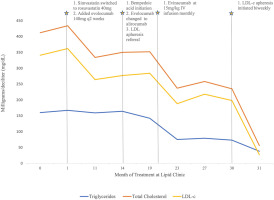
Implementation of Novel Lipid Therapies in a Refractory Heterozygous Familial Hypercholesterolemia Patient With Atherosclerotic Disease
Source : https://www.sciencedirect.com/science/article/pii/S2666084922005198?via=ihub
Compound heterozygous familial hypercholesterolemia patients are phenotypically similar to homozygous familial hypercholesterolemia patients, present with significant elevations of low-density lipoprotein cholesterol, and are at risk of cardiovascular disease. Although new...
Conclusions/Relevance: Compound heterozygous familial hypercholesterolemia patients are phenotypically similar to homozygous familial hypercholesterolemia patients, present with significant elevations of low-density lipoprotein cholesterol, and are at risk of cardiovascular disease. Although new treatment options are emerging, the stepwise...
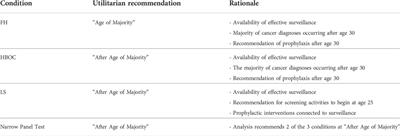
Population genomic screening: Ethical considerations to guide age at implementation
Source : https://www.frontiersin.org/articles/10.3389/fgene.2022.899648/full
Currently, most genetic testing involves next generation sequencing or panel testing, indicating future population-based screening will involve simultaneous testing for multiple disease risks (called here "panel testing"). Genomic screening typically...
Relevance: We conducted an ethical analysis utilizing a hypothetical “narrow” panel test comprised of the CDC Tier 1 Genomic Applications: Familial Hypercholesterolemia (FH), increases individuals’ cardiovascular risk due to elevated low-density lipoprotein (LDL) cholesterol levels; Hereditary Breast and Ovarian Cancer (HBOC), increases...

Additive effects of ezetimibe, evolocumab, and alirocumab on plaque burden and lipid content as assessed by intravascular ultrasound: A PRISMA-compliant meta-analysis
Source : https://www.ncbi.nlm.nih.gov/pmc/articles/PMC9575789/
Di Liang, MPhil, a Chang Li, MPhil, a Yanming Tu, MPhil, a Zhiyong Li, Mphil, a and Ming Zhang, MD a, * The additive effects of ezetimibe, evolocumab or alirocumab...
Conclusions: The addition of ezetimibe to statin therapy may further reduce plaque and lipid burdens but may not modify plaque composition. Although current evidence supports a similar impact from the addition of PCSK9 inhibitors to statin therapy, more evidence is needed to confirm such an effect.
-
 Lipid Management Connect3yrKey Points • Source: Medicine • Conclusion: “The addition of ezetimibe to statin therapy may further reduce plaque and lipid burdens but may not modify plaque composition. Although current evidence supports a similar Show More

Statin use in patients with hormone receptor-positive metastatic breast cancer treated with everolimus and exemestane - PubMed
Source : https://pubmed.ncbi.nlm.nih.gov/36263515/
doi: 10.1002/cam4.5369. Online ahead of print. 1 Division of Hemato-Oncology, Department of Internal Medicine, Korea University Guro Hospital, Korea University College of Medicine, Seoul, Republic of Korea. 2 Smart Healthcare...
Conclusions: "Conclusion: Statins may have synergistic effects with endocrine therapy with the mTOR inhibitor everolimus, and improve survival in patients with HR metastatic breast cancer."

Improving Stability Enhances In Vivo Efficacy of a PCSK9 Inhibitory Peptide - PubMed
Source : https://pubmed.ncbi.nlm.nih.gov/36222719/
Optimization of peptide stability is essential for the development of peptides as bona fide alternatives to approved monoclonal antibodies. This is clearly the case for the many peptides reported to...
Conclusion/Relevance: Indeed, the peptide P9-albN2 achieved similar functional endpoints as the approved anti-PCSK9 antibody evolocumab, albeit at higher doses. Our study illustrates that optimization of stability instead of binding affinity is an effective way to improve in vivo function.
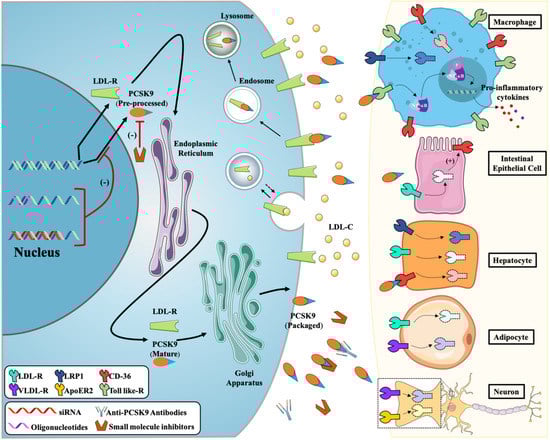
PCSK9 Inhibition: From Current Advances to Evolving Future
Source : https://www.mdpi.com/2073-4409/11/19/2972
Proprotein convertase subtilisin/kexin type 9 (PCSK9) is a secretory serine protease synthesized primarily by the liver. It mainly promotes the degradation of low-density lipoprotein receptor (LDL-R) by binding LDL-R, reducing...
Conclusions: Currently marketed PCSK9 inhibitors include alirocumab, evolocumab, and inclisiran, as well as small molecules, nucleic acid drugs, and vaccines under development. This review systematically summarized the application, preclinical studies, safety, mechanism of action, and latest research progress of PCSK9 inhibitors, aiming to...
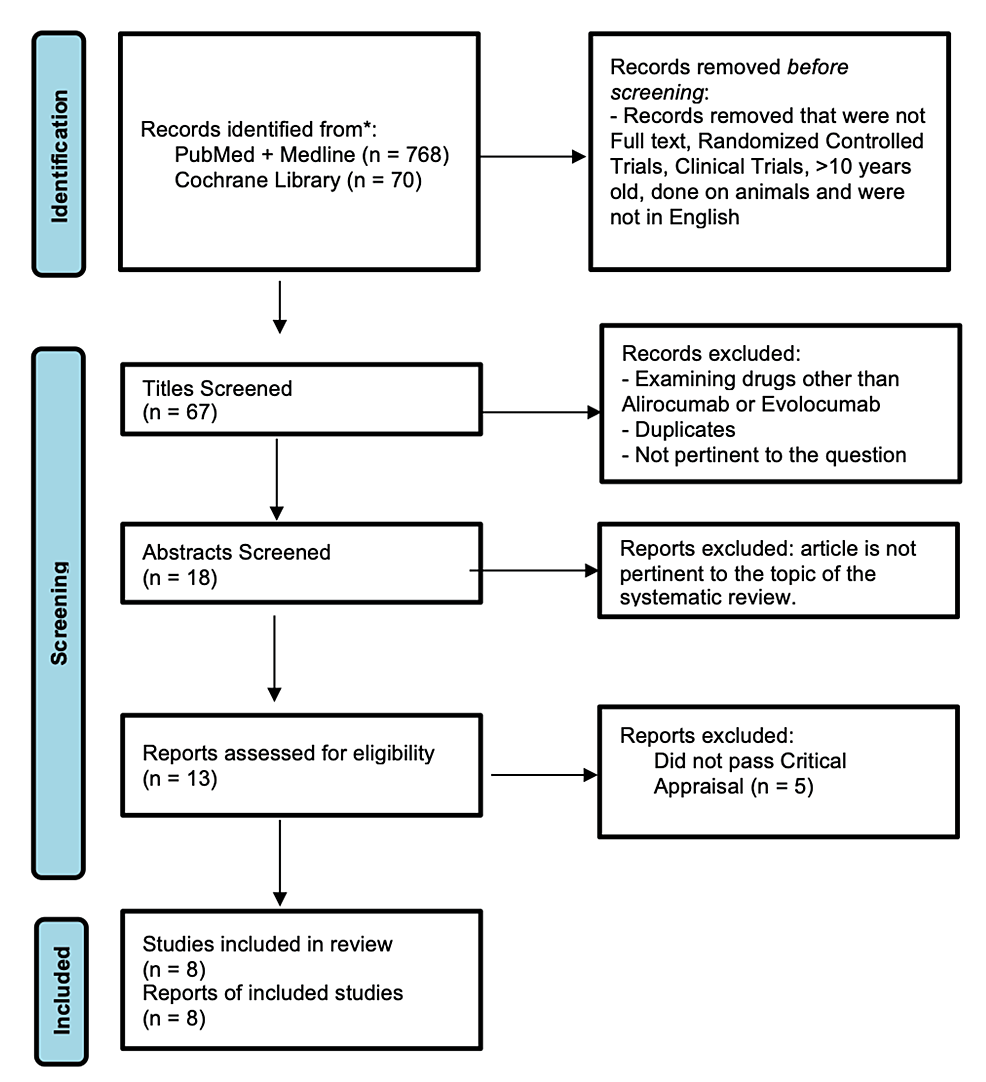
Exploring the Efficacy of Alirocumab and Evolocumab in Reducing Low-Density Lipoprotein (LDL) Cholesterol Levels in Patients With Familial Hypercholesterolemia: A Systematic Review
Patients with familial hypercholesterolemia (FH) have an increased risk of having abnormally high low-density lipoprotein cholesterol (LDL-C) levels. One of the main groups of drugs used for FH is statins....
Conclusions: The data extraction from these studies showed that alirocumab and evolocumab were efficacious in decreasing LDL-C levels and achieving the pre-defined LDL-C goals. Many parameters influenced the strength of the LDL-C reduction: sample size of the population, genetic structure of the patients affected by FH, length of the trial, or...

The prevention of stroke by statins: A meta-analysis - PubMed
Source : https://pubmed.ncbi.nlm.nih.gov/36197216/
1 School of Traditional Chinese Medicine, Changchun University of Chinese Medicine, Jingyue National High-Tech Industrial Development Zone, Changchun, Jilin, China. 2 Department of Encephalology, The Affiliated Hospital of Changchun University...
Conclusions: Our findings indicated that the statins were associated with the patients with stroke in recurrence rate, but there was no significant correlation with the mortality and morbidity of patients with stroke.

Genetic and molecular architecture of familial hypercholesterolemia - PubMed
Source : https://pubmed.ncbi.nlm.nih.gov/36196022/
Atherosclerotic cardiovascular disease is the first cause of death globally. Despite its important risk of premature atherosclerosis and cardiovascular disease, Familial hypercholesterolemia (FH) is still largely underdiagnosed worldwide. It is...
Conclusions: In the last two decades, major progress has been made in clinical and genetic diagnostic tools and the therapeutic arsenal against FH. Improving prevention, diagnosis and treatment, and making them more accessible to all patients will help reduce the lifelong burden of the disease.

The role of PCSK9 in NAFLD/NASH and therapeutic implications of PCSK9 inhibition - PubMed
Source : https://pubmed.ncbi.nlm.nih.gov/36193738/
The current evidence from a landscape of preclinical and clinical studies examining the role of PCSK9 in NAFLD shows controversial results. Preclinical studies indicate that PCSK9 associates with NAFLD and...
Expert Opinion: The current evidence from a landscape of preclinical and clinical studies examining the role of PCSK9 in NAFLD shows controversial results. Preclinical studies indicate that PCSK9 associates with NAFLD and nonalcoholic steatohepatitis (NASH) progression in opposite directions. In humans, it has been concluded that the severity of...

Healthcare Access Among Individuals of Asian Descent in the U.S - PubMed
Source : https://pubmed.ncbi.nlm.nih.gov/36196100/
1 Department of Medicine, Section of Cardiology, Baylor College of Medicine, Houston, TX. 2 Department of Medicine, Cleveland Clinic Foundation, Cleveland, OH. 3 Division of Medicine, Forrest General Hospital, Hattiesburg,...
Conclusions: Conclusions: Among Asians living in the U.S. with cardiovascular risk factors or ASCVD, Asian Indians and Other Asians are more likely to report delayed care or no care due to cost compared with Chinese.

The Association Between Vitamin D Levels and the 10-Year Risk of Atherosclerotic Cardiovascular Disease: A Population-Based Study - PubMed
Source : https://pubmed.ncbi.nlm.nih.gov/36178328/
Background: The association between vitamin D levels and atherosclerotic cardiovascular disease (ASCVD) risk remains unclear. In this study, the association between serum 25(OH)D and 10-year ASCVD risk was examined in...
Conclusion: Our data suggest a negative association between vitamin D levels and the predicted 10-year risk of ASCVD. Further studies are required to investigate whether vitamin D supplements could reduce the risk of ASCVD.
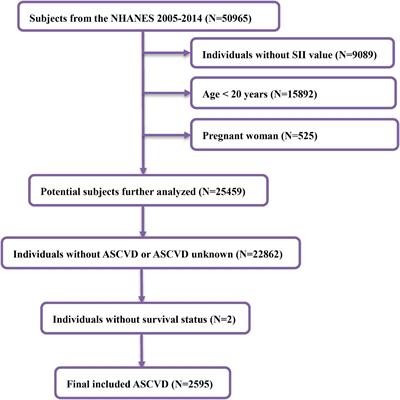
Association of the systemic immune-inflammation index with all-cause mortality in patients with arteriosclerotic cardiovascular disease
Source : https://www.frontiersin.org/articles/10.3389/fcvm.2022.952953/full
ObjectiveSystemic immune-inflammation index (SII), derived from blood cell counts of circulating platelets, neutrophils, and lymphocytes, has been identified as a novel inflammatory and prognostic marker. However, the clinical value of...
Conclusions: An association was detected between the baseline ln-SII and all-cause mortality in a United States ASCVD population. Increased SII is associated with poor survival in individuals with ASCVD.

Estimated Atherosclerotic Cardiovascular Disease Risk: Disparities and Severe COVID-19 Outcomes (from the National COVID Cohort Collaborative) - PubMed
Source : https://pubmed.ncbi.nlm.nih.gov/36175254/
Although cardiovascular disease risk factors relate to COVID-19, the association of estimated atherosclerotic cardiovascular disease (ASCVD) risk with severe COVID-19 is not established. We examined the relation of the pooled-cohort...
Conclusions: Although further research is needed, the 10-year ASCVD risk score in adults ages 40 to 79 years may be used to identify those who are at highest risk for COVID-19 complications and for whom more intensive treatment may be warranted.
Novel Insights into the Management of Patients with Very High Cardiovascular Risk Eligible for PCSK9 Inhibitor Treatment: Baseline Findings from the PERI-DYS Study - Cardiovascular Drugs and Therapy
Source : https://link.springer.com/article/10.1007/s10557-022-07386-0
Aim The PERI-DYS study aims to characterize two groups of patients with dyslipidaemia at very high CV risk: PCSK9i receivers and patients qualifying for but not receiving PCSK9i. Methods This...
Conclusions: PCSK9i receivers are characterized by higher baseline LDL-C and a higher portion of statin intolerance compared to those qualified for but not-receiving PCSK9i treatment. On-treatment, LDL-C was lower in PCSK9i receivers. Ongoing follow-up will determine the prognostic importance of these findings.

Lomitapide ameliorates middle cerebral artery occlusion-induced cerebral ischemia/reperfusion injury by promoting neuronal autophagy and inhibiting microglial migration - PubMed
Source : https://pubmed.ncbi.nlm.nih.gov/36052650/
Lomitapide is a lipid-lowering drug, and this is the first study to explore its protective effect on ischemic nerve injury in vitro and in vivo. Our results suggest that lomitapide...
Conclusion: Lomitapide is a lipid-lowering drug, and this is the first study to explore its protective effect on ischemic nerve injury in vitro and in vivo. Our results suggest that lomitapide can be repositioned as a potential therapeutic drug for the treatment of stroke.

The First Report of a Real-World Experience With a PCSK9 Inhibitor in a Large Familial Hyperlipidemia and Very-High-Risk Middle Eastern Population
Source : https://www.clinicaltherapeutics.com/article/S0149-2918(22)00285-5/fulltext
Evolocumab, a monoclonal inhibitor of proprotein convertase subtilisin/kexin 9, has been shown to reduce proatherogenic lipoproteins in patients with or without familial hypercholesterolemia (FH), diabetes mellitus, or atherosclerotic cardiovascular disease...
Implications: This study is the first from the Middle East and North Africa region that reports the real-world efficacy of evolocumab in a mixed risk population of individuals with FH and other non-FH indications. Clinically meaningful and sustained reductions in LDL-C, TG, and cholesterol ratios were observed after evolocumab initiation. Few...
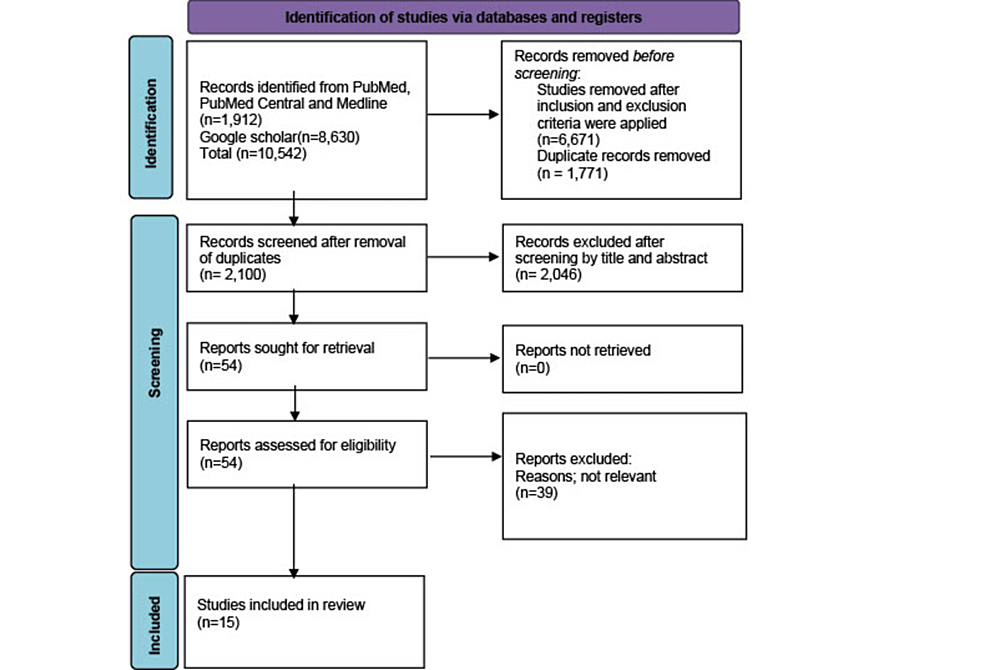
A Systematic Review on the Safety and Efficacy of PCSK9 Inhibitors in Lowering Cardiovascular Risks in Patients With Chronic Kidney Disease
Cardiovascular events caused by dyslipidemia are one of the leading causes of death in patients with Chronic Kidney Disease (CKD). Statins are the first line of treatment for patients with...
Conclusions: Conclusion/Relevance: PCSK9 inhibitors are reliable, safe, and efficient therapy in lowering LDL-C levels in patients with CKD. However, its safety and efficacy in severe and end-stage kidney disease are grey, as other factors such as infections lead to morbidity and mortality. Future trials on chronic kidney disease and PCSK9...