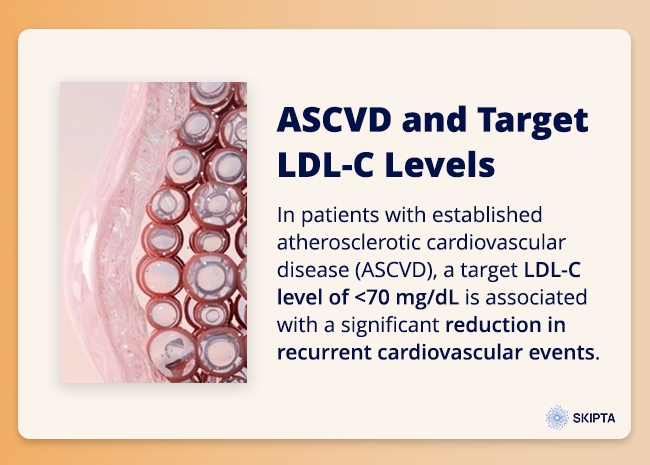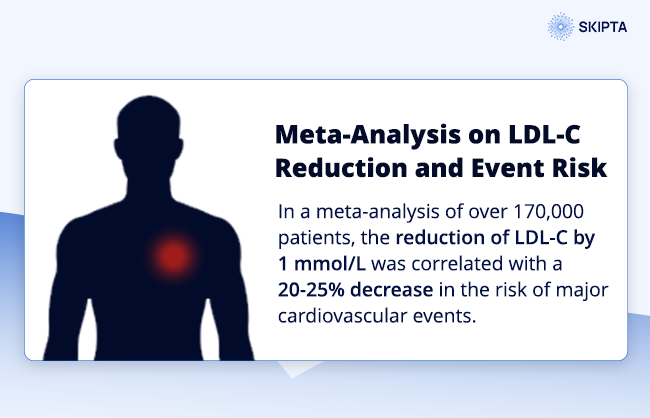


The American Heart Association 2024 Scientific Sessions were held at the McCormick Place Convention Center in Chicago from Nov. 16 to 18. More than 15,000 attendees were at the meeting via virtual stream or in-person. Click above to find our postconference wrap-up report with insights on new therapies and advances in preventing, diagnosing, and treating cardiovascular disease.

Clinical practice recommendations on lipoprotein apheresis for children with homozygous familial hypercholesterolaemia: An expert consensus statement from ERKNet and ESPN - PubMed
Source : https://pubmed.ncbi.nlm.nih.gov/38598969/
Homozygous familial hypercholesterolaemia is a life-threatening genetic condition, which causes extremely elevated LDL-C levels and atherosclerotic cardiovascular disease very early in life. It is vital to start effective lipid-lowering treatment...
Homozygous familial hypercholesterolemia requires early lipid-lowering treatment. Lipoprotein apheresis effectively reduces LDL-C, but guidelines are limited. A consensus statement offers practical guidance on its use in children with this condition.
Cost-Effectiveness of Screening Strategies for Familial Hypercholesterolaemia: An Updated Systematic Review - PubMed
Source : https://pubmed.ncbi.nlm.nih.gov/38265575/
Based on reported willingness to pay thresholds for each setting, most CEA studies concluded that screening for FH compared with no screening was cost-effective, regardless of the screening strategy. Cascade...
This review synthesizes cost-effectiveness of familial hypercholesterolemia screening strategies, finding cascade screening most cost-effective, with long-term lipid-lowering treatment costs as a key ICER driver. Most strategies were cost-effective compared to no screening.
Targeting dysregulated lipid metabolism in the tumor microenvironment - PubMed
Source : https://pubmed.ncbi.nlm.nih.gov/38060103/
The reprogramming of lipid metabolism and its association with oncogenic signaling pathways within the tumor microenvironment (TME) have emerged as significant hallmarks of cancer. Lipid metabolism is defined as a...
Lipid metabolism dysregulation in the tumor microenvironment influences cancer progression. This review explores mechanisms of lipid reprogramming, its role in oncogenesis, and emerging therapies targeting lipid metabolism for cancer treatment.
Camu-camu decreases hepatic steatosis and liver injury markers in overweight, hypertriglyceridemic individuals: A randomized crossover trial - PubMed
Source : https://pubmed.ncbi.nlm.nih.gov/39168095/
Non-alcoholic fatty liver disease (NAFLD) affects 25% of the adult population with no effective drug treatments available. Previous animal studies reported that a polyphenol-rich extract from the Amazonian berry camu-camu...
A randomized trial showed that camu-camu (CC) polyphenol-rich extract reduced liver fat by 7.43%, improved liver enzymes, and altered gut microbiota composition in overweight adults, potentially lowering NAFLD risk.
Did you know? Radiation-induced vasculopathy can occur after cancer treatment, where radiation accelerates the development of age-related conditions like atherosclerosis. This condition can lead to the thickening and narrowing of blood vessels, increasing the risk of cardiovascular issues long after the cancer treatment is complete.
How can health care providers monitor and manage the long-term cardiovascular risks associated with radiation therapy in cancer survivors?

How can health care providers monitor and manage the long-term cardiovascular risks associated with radiation therapy in cancer survivors?
-
Michelle Jardine1yrI agree that Ldl targets of 70 or less ar important
The American Heart Association 2024 Scientific Sessions are taking place at McCormick Place Convention Center in Chicago from Nov. 16 to 18, 2024. The three-day conference highlights the latest innovations in cardiovascular science for researchers, clinicians, and other health care professionals. Topics range from new guidelines for treating a host of cardiovascular diseases to new and emerging therapies and innovative risk-reduction strategies, including the use of injectable weight loss medications to improve heart health.
Above, we summarize some presentations that caught our eye at the conference. We will follow this up with a postconference wrap-up report. Stay tuned.
SSR4-CDG, an ultra-rare X-linked congenital disorder of glycosylation affecting the TRAP complex: Review of 22 affected individuals including the first adult patient - PubMed
Source : https://pubmed.ncbi.nlm.nih.gov/38805916/
Congenital disorders of glycosylation (CDG) are a group of rare, often multi-systemic genetic disorders that result from disturbed protein and lipid glycosylation. SSR4-CDG is an ultra-rare, comparably mild subtype of...
SSR4-CDG is a rare genetic disorder causing developmental delays, intellectual disability, hypotonia, and distinct facial features. It requires genetic diagnosis, with management focusing on symptomatic care, especially for behavioral issues.
A case report of anti-GAD65 antibody-positive autoimmune encephalitis in children associated with autoimmune polyendocrine syndrome type-II and literature review - PubMed
Source : https://pubmed.ncbi.nlm.nih.gov/38077387/
Our findings suggest that anti-GAD65 antibody-positive autoimmune encephalitis patients may concurrently present with other APS. Our unique case presented with multiple endocrine syndromes and represents the first reported occurrence in...
This case report presents the first pediatric instance of anti-GAD65-positive autoimmune encephalitis associated with autoimmune polyendocrine syndrome (APS) type II, highlighting early diagnosis, immunotherapy, and favorable outcomes.
Remnant cholesterol, LDL cholesterol, and apoB absolute mass changes explain results of the PROMINENT trial - PubMed
Source : https://pubmed.ncbi.nlm.nih.gov/38678642/
Absolute mass changes in remnant cholesterol, LDL cholesterol, and apolipoprotein B can explain results of the PROMINENT trial. The 3 mg/dL (0.08 mmol/L) higher total atherogenic cholesterol together with 5...
The study suggests that absolute changes in remnant cholesterol, LDL cholesterol, and apolipoprotein B explain the neutral results of the PROMINENT trial, with higher atherogenic cholesterol and apolipoprotein B linked to more ASCVD.
Higher Cholesterol Absorption Marker at Baseline Predicts Fewer Cardiovascular Events in Elderly Patients Receiving Hypercholesterolemia Treatment: The KEEP Study - PubMed
Source : https://pubmed.ncbi.nlm.nih.gov/38240241/
URL: https://www.umin.ac.jp; unique identifier: UMIN000017769.
The KEEP study found that higher baseline campesterol levels in older individuals with hypercholesterolemia were associated with a lower risk of cardiovascular events, regardless of ezetimibe treatment.
In this IgNS 2024 conference video, Dr. Eleni Tiniakou, a rheumatologist and assistant professor at Johns Hopkins, shares advancements in myositis treatment approaches. She highlights evidence-based therapies, including interferon pathway inhibitors, B-cell targeting, and early research on CAR T-cell applications. Dr. Tiniakou emphasizes the importance of personalized approaches to address the diverse pathogenic factors in myositis treatment. These insights provide physicians tools to better tailor treatments across myositis subtypes and improve patient outcomes.
The gut microbiota functions like a vital organ, essential for human health. By analyzing metagenomic data from dietary interventions in type 2 diabetes and multiple diseases, the researchers in the linked study identified stable gut microbial relationships. The study model reveals two competing guilds: one for fiber fermentation and butyrate production, and another linked to virulence and antibiotic resistance.
The American Heart Association (AHA) will be hosting its annual scientific sessions at the McCormick Place Convention Center in Chicago from Nov. 16 to 18, 2024. This conference will focus on the latest innovations for scientists, clinicians, researchers, and other health care professionals interested in cardiovascular disease.
We will be covering the event for you, so stay tuned for reports with highlights and a wrap-up of the conference. Click above to access some of the highlights that caught our attention.
Management of triglycerides, non-high density lipoprotein cholesterol and high density lipoprotein cholesterol - PubMed
Source : https://pubmed.ncbi.nlm.nih.gov/37979723/
Dyslipidaemia characterised by elevated total cholesterol/LDL-C, triglyceride or both or decreased HDL-C is an important risk factor for the development of ASCVD. Atherogenic dyslipidaemia characterised by high TG, low HDL-C...
Dyslipidaemia increases ASCVD risk, particularly in Asian Indians. Management includes lifestyle changes and pharmacotherapy for severe cases. Non-HDL-C is a better ASCVD risk marker than HDL-C, which lacks proven causality.

.png?VersionId=jqP_uS3.dUMlGc35B1hh5G63gyifkbPy)



.png?VersionId=TaIrZLwNaRGf1X1SIyW3BdPiWe8gYiYb)
.png?VersionId=rt9oyYoO1YSqCL_g9QVUG1QL9AaAG6Vg)