


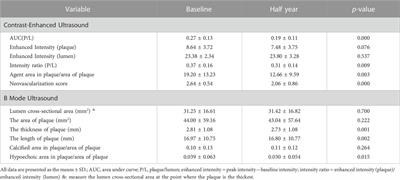
Effect of evolocumab on the progression of intraplaque neovascularization of the carotid based on contrast-enhanced ultrasonography (EPIC study): A prospective single-arm, open-label study
Source : https://www.frontiersin.org/articles/10.3389/fphar.2022.999224/full
Background and Purpose: The aim of this study was to explore the effect of half a year of evolocumab plus moderate-intensity statin treatment on carotid intraplaque neovascularization (IPN) and blood...
Conclusion: This study found that evolocumab combined with moderate-intensity statins significantly improved the blood lipid profile and reduced carotid IPN.

Statin's role on blood pressure levels: Meta-analysis based on randomized controlled trials - PubMed
Source : https://pubmed.ncbi.nlm.nih.gov/36799888/
Statins have been proven to be effective in minimizing the risk of cardiovascular adverse events, however, their effect on BP variability is debatable with respect to their significance and their...
Conclusions/Relevance: Despite various studies suggesting the efficacy of statins in blood pressure lowering to be significant and non-significant both, we observed a decrease in SBP and DBP both, although the change was not as large and could be considered significant. A large multicenter, multi-ethnic, large sample pool size, and a long...
The effects of pemafibrate and omega-3 fatty acid ethyl on apoB-48 in dyslipidemic patients treated with statin: A prospective, multicenter, open-label, randomized, parallel group trial in Japan (PROUD48 study)
Source : https://www.frontiersin.org/articles/10.3389/fcvm.2023.1094100/full
BackgroundWe compared the lowering effects of pemafibrate and omega-3 fatty acid ethyl on fasting apolipoprotein (apo) B-48 (apoB-48), a marker that reflects postprandial hypertriglyceridemia, which is one of the residual...
Conclusions: This is the first randomized trial to compare the lowering effects of pemafibrate and omega-3 fatty acid ethyl on fasting apoB-48. We concluded that pemafibrate was superior to omega-3 fatty acid ethyl in lowering effect of fasting apoB-48. Pemafibrate is expected to reduce the residual risk for ASCVD with statin treatment.
-
 Lipid Management Connect3yrKey Points • Source: Frontiers in Cardiovascular Medicine • Conclusions: “This is the first randomized trial to compare the lowering effects of pemafibrate and omega-3 fatty acid ethyl on fasting apoB-48. We concluded that Show More

New Therapeutic Approaches to the Treatment of Dyslipidemia 2: LDL-C and Lp(a)
Source : https://e-jla.org/DOIx.php?id=10.12997/jla.2023.12.1.37
New Therapeutic Approaches to the Treatment of Dyslipidemia 2: LDL-C and Lp(a) Kyung An Kim Hun-Jun Park and Division of Cardiology, Department of Internal Medicine, Seoul St. Mary's Hospital, The...
/>
Relevance: Drugs targeting lipoprotein (a) (Lp[a]) also have a role in the prevention of atherosclerosis, with genetic studies having established that 20%–30% of the human population inherits plasma Lp(a) levels in the atherogenic range. In this paper, we will review the recent progress made in the approaches to LDL-C and Lp(a) therapeutic...
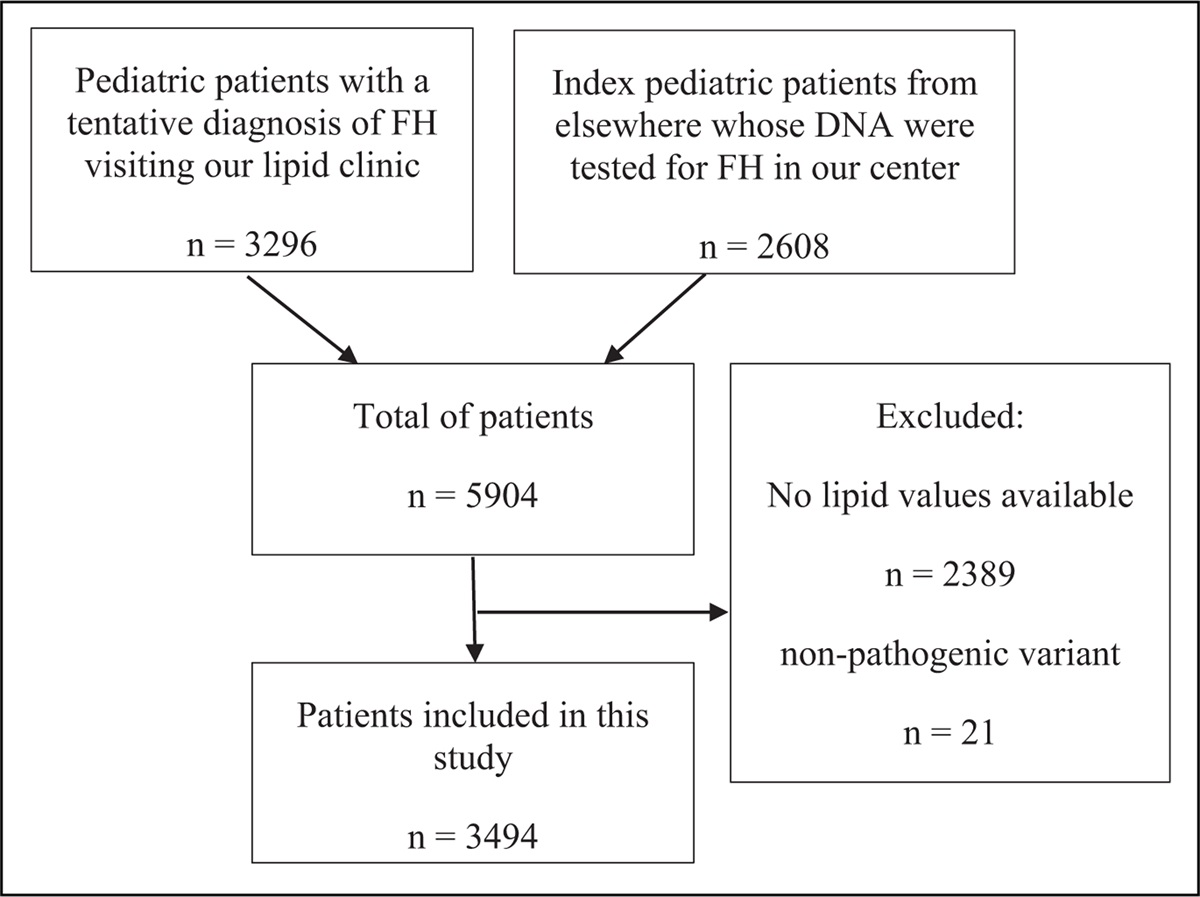
Genotype–phenotype correlation in a large cohort of pediatric patients with heterozygous and homozygous familial hypercholesterolemia
clinical criteria. Genetic testing can discern FH in a form caused by complete absence of the LDL-receptors, the negative variant and a form leading to reduced activity of the LDL...
Conclusions: Performing genetic testing and identifying the type of underlying genetic variant is of added value in order to distinguish between pediatric patients with higher risks of premature CVD and to identify those that will benefit most from new types of lipid-lowering therapies. Since in children the phenotype of FH is less affected by...