

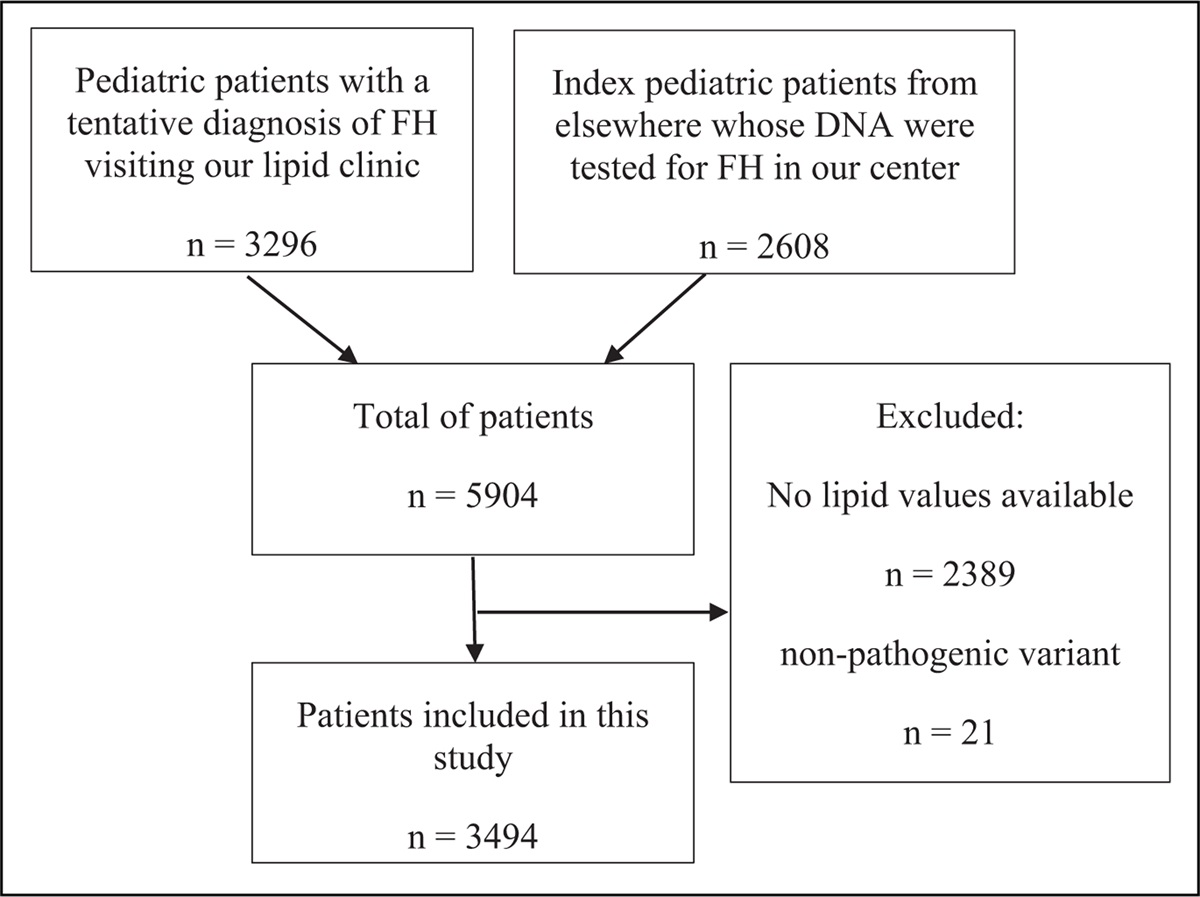
Genotype–phenotype correlation in a large cohort of pediatric patients with heterozygous and homozygous familial hypercholesterolemia
clinical criteria. Genetic testing can discern FH in a form caused by complete absence of the LDL-receptors, the negative variant and a form leading to reduced activity of the LDL...
Conclusions: Performing genetic testing and identifying the type of underlying genetic variant is of added value in order to distinguish between pediatric patients with higher risks of premature CVD and to identify those that will benefit most from new types of lipid-lowering therapies. Since in children the phenotype of FH is less affected by...
Share





Underrepresentation of ethnic and regional minorities in lipid-lowering randomized clinical trials: a systematic review and meta-analysis - PubMed
Source : https://pubmed.ncbi.nlm.nih.gov/36748994/
The .gov means it's official. Federal government websites often end in .gov or .mil. Before sharing sensitive information, make sure you're on a federal government site. The site is secure....
Conclusions: Despite underrepresentation in clinical trials, regional and ethnic minority groups such as Australasia and Blacks appear to derive at least as much cardiovascular benefit from LLT.
Share
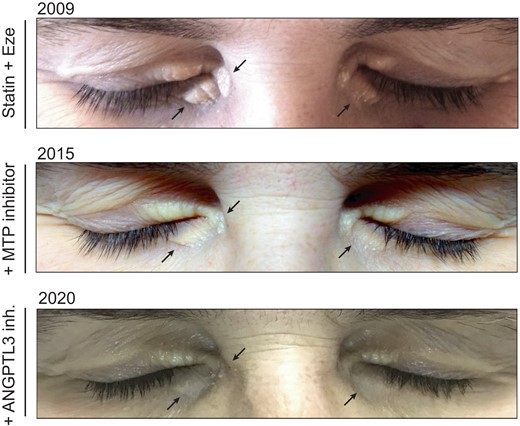
Discussion: Treating this HoFH patient with an LLT involving the combination of MTP and ANGPTL3 LDL-receptor-independent inhibitors (lomitapide and evinacumab, respectively) showed remarkable improvement in LDL-C levels, disappearance of xanthomatosis and regression in atherosclerotic plaques. In addition to safety and efficacy, one should...
Share

Protein Convertase Subtilisin/Kexin Type 9 Monoclonal Antibodies (PCSK9mab) in Clinical Practice at Secondary Care - Real World Multicentre Experience - PubMed
Source : https://pubmed.ncbi.nlm.nih.gov/36721583/
Background and Aims Protein convertase subtilisin/Kexin type 9 monoclonal antibodies (PCSK9mab) are a novel addition to the therapeutic options for managing hyperlipidemia. Various guidelines have advocated the addition of these...
Conclusion: The efficacy of lipid reduction and the side effect profile of PCSK9mab from these secondary care services are similar to randomized clinical trials and real-world observational studies from tertiary lipid centers.
Share
Gender differences in cardiovascular risk, treatment, and outcomes: a post hoc analysis from the REWIND trial
Source : https://www.tandfonline.com/doi/full/10.1080/14017431.2023.2166101
Abstract Abstract Objectives. To assess whether the use of cardioprotective therapies for type 2 diabetes varies by gender and whether the risk of cardiovascular events is higher in women versus...
Conclusions: In REWIND, most women met clinically relevant treatment targets, but in lower proportions than men. Women had a lower risk for all cardiovascular outcomes except stroke.
Share