

AFM-based nanoindentation indicates an impaired cortical stiffness in the AAV-PCSK9 DY atherosclerosis mouse model - PubMed
Source : https://pubmed.ncbi.nlm.nih.gov/35648220/
Investigating atherosclerosis and endothelial dysfunction has mainly become established in genetically modified ApoE -/- or LDL-R -/- mice transgenic models. A new AAV-PCSK9DY DY mouse model with no genetic modification...
Conclusion: Our results demonstrate that this model is highly suitable and represents a good alternative to the commonly used transgenic mouse models for studying atherosclerosis and other vascular pathologies.
Share





SORBS2 as a molecular target for atherosclerosis in patients with familial hypercholesterolemia - Journal of Translational Medicine
Source : https://translational-medicine.biomedcentral.com/articles/10.1186/s12967-022-03381-z
Background Familial hypercholesterolemia (FH) is a metabolic disease in which patients are prone to develop premature atherosclerosis (AS). Sorbin and SH3 Domain Containing 2 (SORBS2) is known to play a...
Conclusions: SORBS2 regulates lipid-induced inflammation and foam cell formation, and is a potential therapeutic target for hypercholesterolemia.
Share

Cost-Effectiveness Analysis of Evolocumab in Adult Patients with Atherosclerotic Cardiovascular Disease in Canada - PubMed
Source : https://pubmed.ncbi.nlm.nih.gov/35604523/
doi: 10.1007/s12325-022-02130-4. Online ahead of print. 1 Montreal Heart Institute, Université de Montréal, Montreal, QC, Canada. 2 Health Economics and Market Access, Value Access and Policy, Amgen Canada Inc., 6775...
Conclusion: Overall, this analysis supports reimbursement of evolocumab by payers in patients with ASCVD who cannot reach LDL-C thresholds despite optimized LLT to reduce unnecessary fatal and non-fatal CV events.
Share
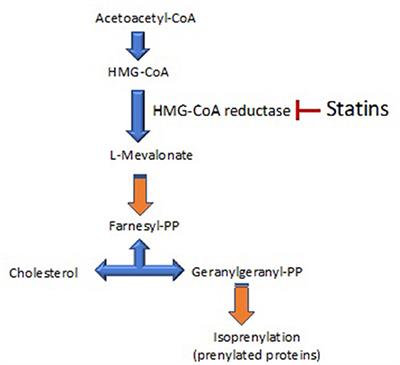
Undertreatment or Overtreatment With Statins: Where Are We?
Source : https://www.frontiersin.org/articles/10.3389/fcvm.2022.808712/full
Statins, in addition to healthy lifestyle interventions, are the cornerstone of lipid-lowering therapy. Other low-density lipoprotein (LDL)-lowering drugs include ezetimibe, bile acid sequestrants, and PCSK9 inhibitors. As new evidence emerges...
Relevance: This narrative review summarizes the evidence regarding the benefits of lipid-lowering drugs in reducing cardiovascular events, the pleiotropic effect of statins, real-world data on overtreatment and undertreatment of lipid-lowering therapies, and the changing LDL-C in targets in the clinical guidelines of dyslipidemias over the...
Share
-
 Dr Hamid3yrseveral clinical studies have reported that, regardless of their lipid-lowering effects, statins reduce the levels of circulating pro-inflammatory molecules, such as levels of high-sensitivity C-reactive protein (hs-CRP)

Effect of PCSK9 Inhibitors on Hemostasis in Patients with Isolated Hypercholesterolemia - PubMed
Source : https://pubmed.ncbi.nlm.nih.gov/35566668/
Our findings indicate that treatment with PCSK9 inhibitors has a multipotential effect on fibrinolysis and coagulation in patients with isolated hypercholesterolemia and that this medication may have some future benefits...
Conclusion: Our findings indicate that treatment with PCSK9 inhibitors has a multipotential effect on fibrinolysis and coagulation in patients with isolated hypercholesterolemia and that this medication may have some future benefits in patients who are statin-intolerant or contraindicated to statin use.
Share
-
Dr Hamid3yrThe purpose of this trial was to determine the efficacy of PCSK9 inhibitors alone in patients with isolated hypercholesterolemia and will help in treatment of patients