
2yr
PCSK9, a novel immune and ferroptosis related gene in abdominal aortic aneurysm neck - Scientific Reports
Source : https://www.nature.com/articles/s41598-023-33287-9
The gene expression profile of abdominal aortic aneurysm (AAA) neck is not fully understood. The etiology of AAA is considered to be related to atherosclerosis and the inflammatory response, involving congenital, genetic, metabolic, and other factors. The level of proprotein convertase subtilisin/kexin type 9 (PCSK9) is related to those of cholesterol, oxidized low-density lipoprotein, and triglycerides.
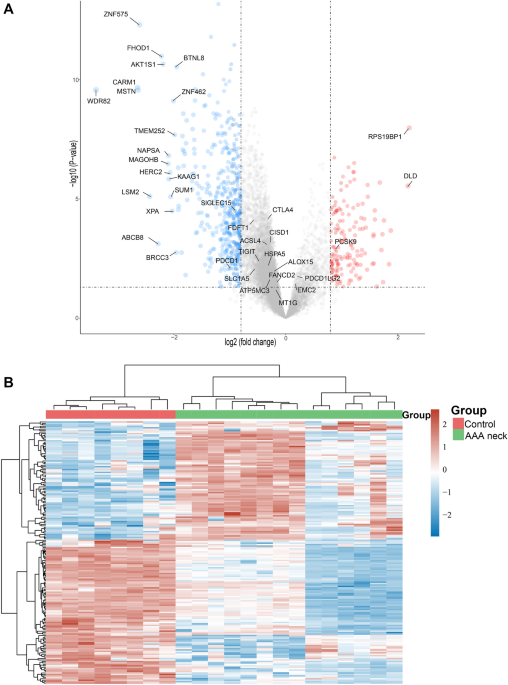
Conclusion: PCSK9 was highly expressed in AAA neck, and may exert its role through interacting with immune check-points and ferroptosis-related genes.
Share




• Source: Scientific Reports
• Conclusion: “PCSK9 was highly expressed in AAA [abdominal aortic aneurysm] neck, and may exert its role through interacting with immune check-points and ferroptosis-related genes …. We found that PCKS9 was increased in AAA neck tissues and may correlated with immune checkpoints or ferroptosis.”
• In this preclinical study, researchers analyzed the expression of PCSK9 in donor and AAA neck, as well as the relationship with immune checkpoints or ferroptosis-related genes via bioinformatics.
• AAA is common at the level of the infrarenal aorta. Although ultrasound can be used to screen for AAA, there are no pharmacotherapies that prevent AAA progression or death from rupture. The AAA neck is related to the long-term prognosis following endovascular or open AAA repair.
• Assessing the gene profile of the AAA neck and the pathophysiologic mechanisms could help screen for and design drugs that target the AAA neck.
• “Ferroptosis is a newly discovered non-apoptosis-regulated form of cell death characterized by iron-dependent lipid peroxide accumulation and reactive oxygen species accumulation,” the authors wrote. “The process of ferroptosis is regulated by the iron metabolism pathway, lipid metabolism pathway, glutamine catabolic pathway, and glutathione peroxidase 4 (GPX4) pathway. Among them, GPX4 is considered to be a key regulator of the occurrence of iron death and is involved in the study of the pathogenesis of various diseases.”