


Vascular Disease Burden, Outcomes, and Benefit with Empagliflozin in Heart Failure: Insights from the EMPEROR-Reduced Trial - PubMed
Source : https://pubmed.ncbi.nlm.nih.gov/37558088/
In patients with HFrEF, the extent of vascular disease is associated with the risk for adverse cardiovascular outcomes. Empagliflozin offers cardiovascular and renal benefits in HFrEF across the extent of...
Conclusion: In patients with HFrEF, the extent of vascular disease is associated with the risk for adverse cardiovascular outcomes. Empagliflozin offers cardiovascular and renal benefits in HFrEF across the extent of vascular disease, but this benefit is attenuated in those with poly-vascular disease.
Share





The Impact of SGLT2 Inhibitors on Cardiovascular Outcomes in Patients With Heart Failure With Preserved Ejection Fraction - PubMed
Source : https://pubmed.ncbi.nlm.nih.gov/37542422/
The treatment of HFpEF has made progress, but there is still work to be done. Now, SGLT2 inhibitor therapy can be used to further help with symptom control and reduce...
Conclusions: The treatment of HFpEF has made progress, but there is still work to be done. Now, SGLT2 inhibitor therapy can be used to further help with symptom control and reduce overall hospitalizations for heart failure.
Share
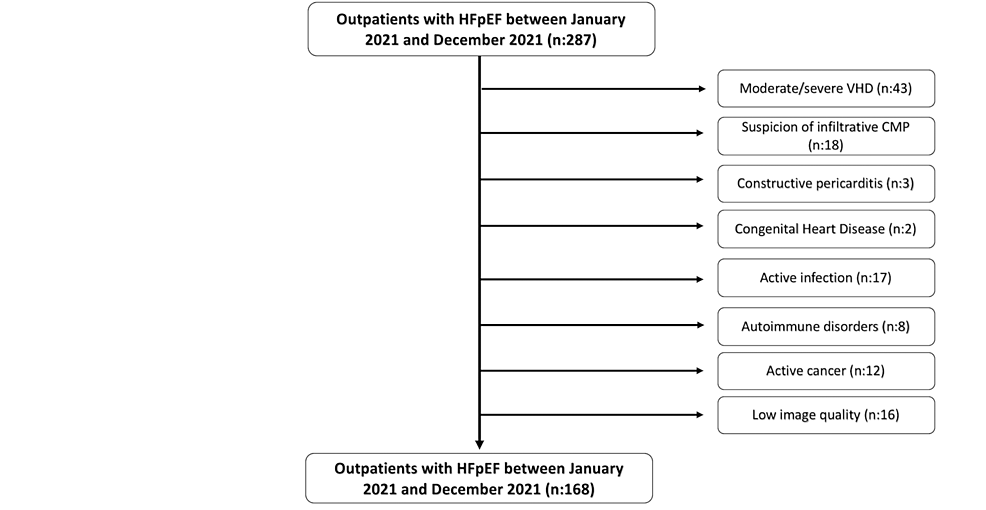
The Value of Neutrophil-to-Lymphocyte Ratio and Epicardial Adipose Tissue Thickness in Heart Failure With Preserved Ejection Fraction
Background Using epicardial adipose tissue thickness (EATt) and neutrophil-to-lymphocyte ratio (NLR) as individual indicators provides beneficial insight into the prognosis of patients suffering from heart failure with preserved ejection fraction...
Conclusion: The results of our study indicate that the use of both EATt and NLR among patients with HFpEF may provide better accuracy in predicting HHF and LVDD compared to the use of either EATt or NLR alone.
Share
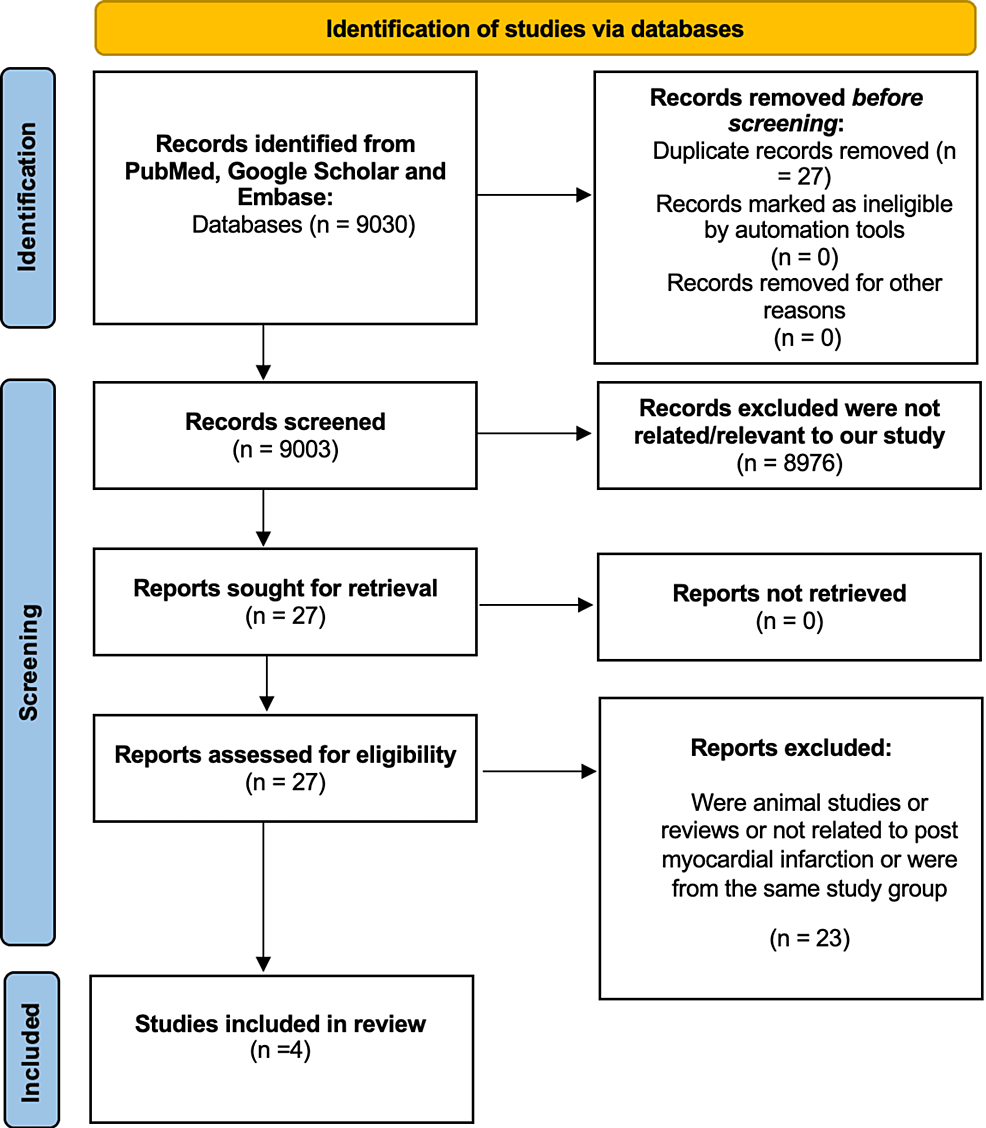
The Use of Empagliflozin Post Myocardial Infarction
Source : https://www.cureus.com/articles/163060-the-use-of-empagliflozin-post-myocardial-infarction
Empagliflozin is a sodium-glucose cotransporter 2 (SGLT2) inhibitor that is mainly used for the treatment of type 2 diabetes mellitus. The study's objective was to assess empagliflozin's effects and impacts...
Conclusions/Relevance: With studies showing a significantly larger median NT-proBNP decrease with empagliflozin compared to placebo among patients hospitalised with an acute big MI when empagliflozin was started early and administered in addition to the post-MI care suggested by guidelines, it is safe to say that the benefits outweigh the...
Share
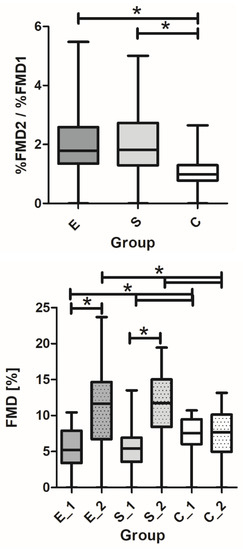
The Effect of Additional Treatment with Empagliflozin or Semaglutide on Endothelial Function and Arterial Stiffness in Subjects with Type 1 Diabetes Mellitus-ENDIS Study
Source : https://www.mdpi.com/1999-4923/15/7/1945
We investigated the effect of additional treatment with newer antidiabetic drugs on endothelium function and arterial stiffness in subjects with type 1 diabetes mellitus (T1DM) without cardiovascular diseases. A total...
Conclusions/Relevance: We can conclude that, for arterial stiffness, semaglutide seems better, but both drugs positively impact endothelial function and, thus, could also have a protective role in T1DM.
Share