
1yr
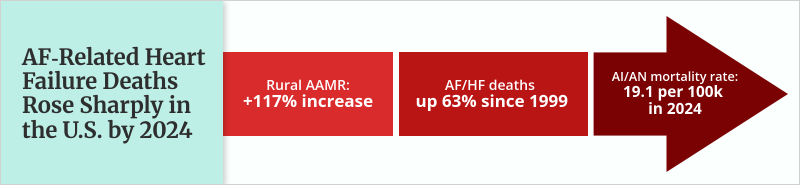
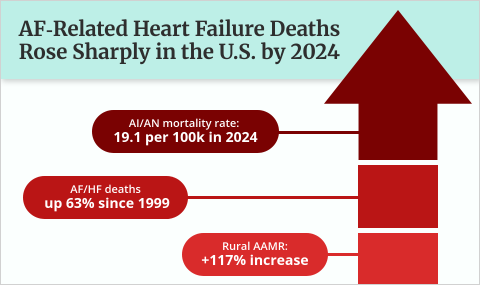



Source : https://pubmed.ncbi.nlm.nih.gov/40520009/
Heart failure (HF) is a condition characterized by high morbidity, mortality, and a substantial healthcare burden, in which inflammation plays a pivotal role. This review provides a comprehensive overview of...
This review highlights inflammation’s central role in heart failure progression, discussing immune alterations, biomarkers, and signaling pathways, while emphasizing exercise’s therapeutic potential through anti-inflammatory modulation and personalized intervention strategies.
Source : https://pubmed.ncbi.nlm.nih.gov/39844745/
Heart failure with preserved ejection fraction (HFpEF) is defined by heart failure (HF) with a left ventricular ejection fraction (LVEF) of at least 50%. HFpEF has a complex and heterogeneous...
HFpEF is a complex, heterogeneous condition challenging to diagnose. Algorithms (H2FPEF, HFA-PEFF), phenotype clustering, and SGLT2 inhibitors aid management, while future research explores precision diagnostics and novel therapies.
Source : https://pubmed.ncbi.nlm.nih.gov/40005328/
Coronary artery disease is the leading cause of acute and chronic heart failure. Patients with heart failure and ischemic heart disease need a tailored assessment to define the appropriate treatment,...
Coronary artery disease drives heart failure. Comprehensive assessment and multidisciplinary management, including pharmacological therapy and cardiac rehabilitation, improve survival, reduce hospitalizations, and support tailored, guideline-directed care for fragile patients.
Source : https://pubmed.ncbi.nlm.nih.gov/40456239/
When conventional cardiopulmonary resuscitation (CCPR) cannot restore spontaneous circulation, the initiation of venoarterial extracorporeal membrane oxygenation during refractory cardiac arrest-known as extracorporeal CPR (ECPR)-might restore circulation and adequate tissue oxygenation....
ECPR, used when CCPR fails, can restore circulation and improve survival but faces limitations due to complexity, cost, and risks. Outcomes depend on patient factors, timing, and procedural effectiveness.