


Heart Failure Connect
Profile Image
  • Saved
The Value of Neutrophil-to-Lymphocyte Ratio and Epicardial Adipose Tissue Thickness in Heart Failure With Preserved Ejection Fraction

The Value of Neutrophil-to-Lymphocyte Ratio and Epicardial Adipose Tissue Thickness in Heart Failure With Preserved Ejection Fraction

Source : https://www.cureus.com/articles/175076-the-value-of-neutrophil-to-lymphocyte-ratio-and-epicardial-adipose-tissue-thickness-in-heart-failure-with-preserved-ejection-fraction

Background Using epicardial adipose tissue thickness (EATt) and neutrophil-to-lymphocyte ratio (NLR) as individual indicators provides beneficial insight into the prognosis of patients suffering from heart failure with preserved ejection fraction...

Conclusion: The results of our study indicate that the use of both EATt and NLR among patients with HFpEF may provide better accuracy in predicting HHF and LVDD compared to the use of either EATt or NLR alone.

Profile Image
  • Saved
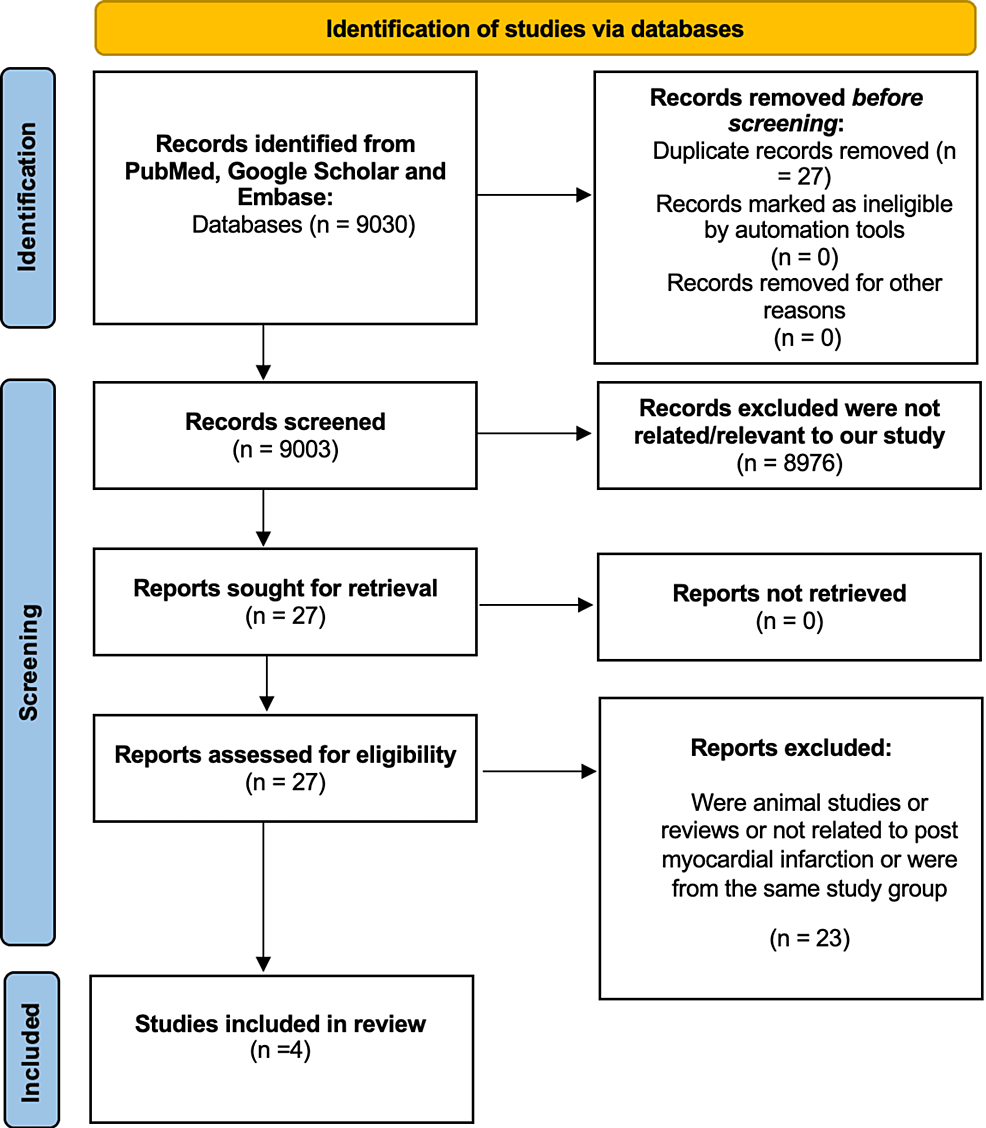
The Use of Empagliflozin Post Myocardial Infarction

The Use of Empagliflozin Post Myocardial Infarction

Source : https://www.cureus.com/articles/163060-the-use-of-empagliflozin-post-myocardial-infarction

Empagliflozin is a sodium-glucose cotransporter 2 (SGLT2) inhibitor that is mainly used for the treatment of type 2 diabetes mellitus. The study's objective was to assess empagliflozin's effects and impacts...

Conclusions/Relevance: With studies showing a significantly larger median NT-proBNP decrease with empagliflozin compared to placebo among patients hospitalised with an acute big MI when empagliflozin was started early and administered in addition to the post-MI care suggested by guidelines, it is safe to say that the benefits outweigh the...

Profile Image
  • Saved
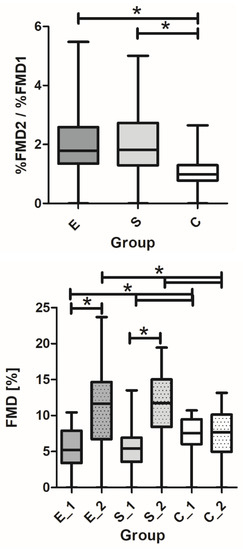
The Effect of Additional Treatment with Empagliflozin or Semaglutide on Endothelial Function and Arterial Stiffness in Subjects with Type 1 Diabetes Mellitus-ENDIS Study

The Effect of Additional Treatment with Empagliflozin or Semaglutide on Endothelial Function and Arterial Stiffness in Subjects with Type 1 Diabetes Mellitus-ENDIS Study

Source : https://www.mdpi.com/1999-4923/15/7/1945

We investigated the effect of additional treatment with newer antidiabetic drugs on endothelium function and arterial stiffness in subjects with type 1 diabetes mellitus (T1DM) without cardiovascular diseases. A total...

Conclusions/Relevance: We can conclude that, for arterial stiffness, semaglutide seems better, but both drugs positively impact endothelial function and, thus, could also have a protective role in T1DM.

Profile Image
  • Saved
Alterations in trimethylamine-N-oxide in response to Empagliflozin therapy: a secondary analysis of the EMMY trial - Cardiovascular Diabetology

Alterations in trimethylamine-N-oxide in response to Empagliflozin therapy: a secondary analysis of the EMMY trial - Cardiovascular Diabetology

Source : https://cardiab.biomedcentral.com/articles/10.1186/s12933-023-01920-6

Introduction The relationship between sodium glucose co-transporter 2 inhibitors (SGLT2i) and trimethylamine N-oxide (TMAO) following acute myocardial infarction (AMI) is not yet explored. Methods In this secondary analysis of the...

Conclusions: Our results are contrary to existing experimental studies that showed the positive impact of SGLT2i on TMAO precursors and cardiovascular events. Therefore, we recommend further research investigating the impact of SGLT2i therapy on acute and long-term changes in TMAO in cardiovascular cohorts.

Profile Image
  • Saved
Exploring the comparative cardiovascular death benefits of sodium-glucose cotransporter 2 inhibitors in type 2 diabetes: a frequentist and Bayesian network meta-analysis-based scoring

Exploring the comparative cardiovascular death benefits of sodium-glucose cotransporter 2 inhibitors in type 2 diabetes: a frequentist and Bayesian network meta-analysis-based scoring

Source : https://www.frontiersin.org/articles/10.3389/fendo.2023.1168755/full

Background and aimsCardiovascular death (CV death) is the most objective component of the primary or secondary endpoint in cardiovascular outcome trials (CVOTs) conducted with sodium-glucose cotransporter 2 inhibitors (SGLT-2is). CV...

Conclusions: Empagliflozin ranked the highest compared to the other SGLT-2is in the overall population and the trials including type 2 diabetes (T2D) patients with ASCVD or MRF at baseline, while dapagliflozin ranked the highest in the trials of patients with HF at baseline.

Profile Image
  • Saved
Comparative effectiveness of sodium-glucose cotransporter-2 inhibitors among patients with heart failure with preserved ejection fraction - PubMed

Comparative effectiveness of sodium-glucose cotransporter-2 inhibitors among patients with heart failure with preserved ejection fraction - PubMed

Source : https://pubmed.ncbi.nlm.nih.gov/37459069/

Compared with canagliflozin or dapagliflozin use, empagliflozin use was associated with decreased risk of HF-related and all-cause hospitalizations. Compared with canagliflozin, dapagliflozin was associated with a reduced risk of HF-related...

Conclusions: Compared with canagliflozin or dapagliflozin use, empagliflozin use was associated with decreased risk of HF-related and all-cause hospitalizations. Compared with canagliflozin, dapagliflozin was associated with a reduced risk of HF-related and all-cause hospitalizations.

Profile Image
  • Saved
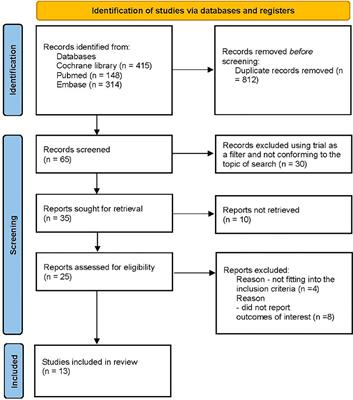
Cost-effectiveness of empagliflozin for the treatment of heart failure: a systematic review

Cost-effectiveness of empagliflozin for the treatment of heart failure: a systematic review

Source : https://www.frontiersin.org/articles/10.3389/fphar.2023.1186579/full

Objective: This study aims to synthesize evidence on the cost-effectiveness of empagliflozin for heart failure (HF).Methods: MEDLINE, Embase, the Cochrane Library, EconLit, CNKI, Wanfang Data and Chongqing VIP were searched...

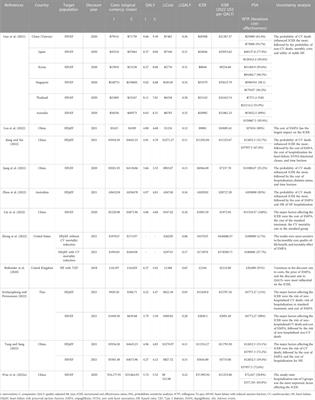
Conclusion: Add-on empagliflozin for HFrEF might be cost-effective or dominant compared with standard of care alone. However, for HFpEF patients, add-on empagliflozin might be cost-effective in China and Australian, but not cost-effective in United States and Thailand.

Profile Image
  • Saved
Empagliflozin: a potential anticancer drug - PubMed

Empagliflozin: a potential anticancer drug - PubMed

Source : https://pubmed.ncbi.nlm.nih.gov/37436535/

Empagliflozin, a sodium-glucose cotransporter 2 (SGLT2) inhibitor, is a highly effective and well-tolerated antidiabetic drug. In addition to hypoglycemic effects, empagliflozin has many other effects, such as being hypotensive and...

Conclusion: Empagliflozin has promising applications in cancer therapy as a drug for the treatment of diabetes and heart failure. This article provides a brief review of the anticancer effects of empagliflozin.

Profile Image
  • Saved
Impact of the SGLT2-inhibitor empagliflozin on inflammatory biomarkers after acute myocardial infarction - a post-hoc analysis of the EMMY trial - Cardiovascular Diabetology

Impact of the SGLT2-inhibitor empagliflozin on inflammatory biomarkers after acute myocardial infarction - a post-hoc analysis of the EMMY trial - Cardiovascular Diabetology

Source : https://cardiab.biomedcentral.com/articles/10.1186/s12933-023-01904-6

Background SGTL2-inhibitors are a cornerstone in the treatment of heart failure, but data on patients with acute myocardial infarction (AMI) is limited. The EMMY trial was the first to show...

Conclusion: Trajectories of inflammatory biomarkers showed a pronounced decline after AMI, but Empagliflozin treatment did not impact this decline indicating no central role in blunted systemic inflammation mediating beneficial effects.

Profile Image
  • Saved
Combined lactic acidosis and ketoacidosis in a female diabetic patient with severe heart failure

Combined lactic acidosis and ketoacidosis in a female diabetic patient with severe heart failure

Source : https://journals.lww.com/cardiovascularendocrinology/Fulltext/2023/09000/Combined_lactic_acidosis_and_ketoacidosis_in_a.3.aspx

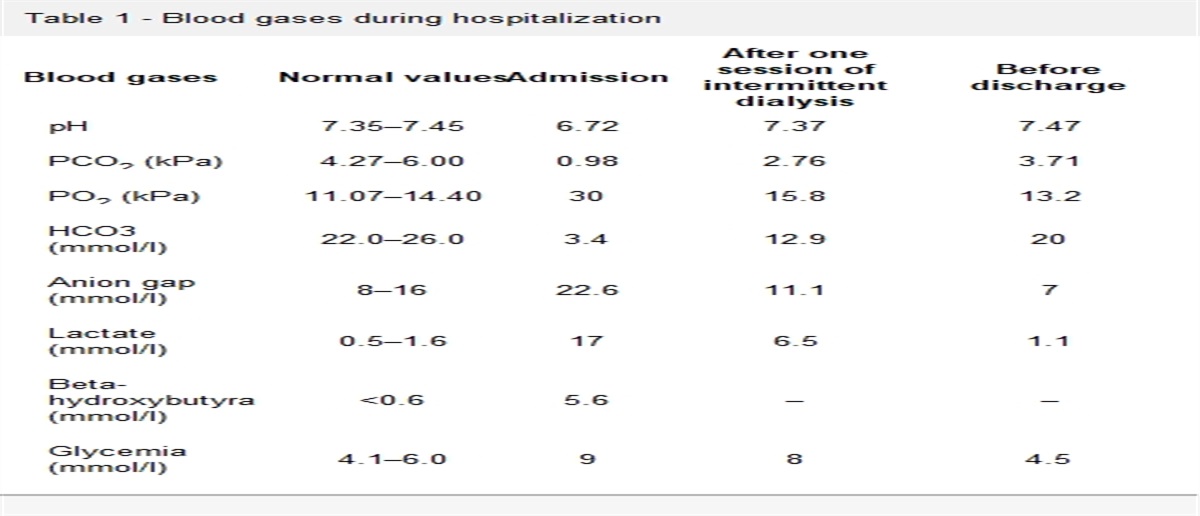
fety profile for both drugs, the expanding use of these agents in clinical practice may lead to an increased incidence of rare side effects, like metformin-associated lactic acidosis (MALA) and...

Conclusion: This case illustrates the potentially serious risks associated with metformin and SGLT2i. Because of their association in one unique pill in addition to the growing evidence around the benefits of SGLTi, these drugs are likely to be more and more prescribed, and thus, clinicians need to be aware of MALA and EDKA in order to...

Profile Image
  • Saved
Empagliflozin Reduces Interleukin-6 Levels in Patients with Heart Failure

Empagliflozin Reduces Interleukin-6 Levels in Patients with Heart Failure

Source : https://www.mdpi.com/2077-0383/12/13/4458

Background: The inhibition of sodium-glucose co-transporter 2 (SGLT-2) has been shown to be beneficial in the treatment of diabetic and non-diabetic patients with heart failure. The underlying mechanisms are incompletely...

Conclusions: The empagliflozin-induced improvement of quality of life and functional capacity in patients with HFrEF and type 2 diabetes mellitus is accompanied by a substantial reduction of interleukin-6 levels. Thus, anti-inflammatory effects may contribute to the benefits of SGLT-2-inhibitors in heart failure.

Profile Image
  • Saved
Updated guideline for heart failure

The 2022 AHA/ACC/HFSA Guideline for the Management of Heart Failure has been updated with new recommendations based on recent data.

Key updates

For heart failure with reduced ejection fraction (HFrEF), the guideline-directed medical therapy (GDMT) comprises 4 classes of medications (GDMT-4).

  1. renin-angiotensin system inhibition with the following:
  • angiotensin receptor-neprilysin inhibitors (ARNis);
  • angiotensin-converting enzyme inhibitors (ACEis);
  • angiotensin (II) receptor blockers (ARBs) alone;
  1. beta blockers;
  2. mineralocorticoid receptor antagonists (MRAs);
  3. the newly added group, SGLT2 inhibitors (SGLT2is).


For heart failure with mildly reduced LVEF, new medication recommendations include the utilization of SGLT2is. Importantly, SGLT2is have a Class of Recommendation (COR) 2a in HF with mildly reduced EF (HFmrEF), with weaker recommendations (i.e., COR 2b) issued for ARNi, ACEi, ARB, MRA and beta blockers.

For patients with HF with preserved EF (HFpEF), new drug recommendations include the utilization of SGLT2is (i.e., COR 2a); MRAs (i.e., COR 2b); and ARNis (i.e., COR 2b). Of note, a COR 1 is considered “strong,” with benefit >>> risk; COR 2a, “moderate,” with benefit >> risk; and COR 2b, “weak” with benefit > risk.

What role do SGLT2is play in your management of HF and does your use align with the 2022 heart-failure guideline? Which patients are particularly responsive to this class of medications?

Profile Image
  • 3yr
    Yes. I use SGLT2 inhibitors for heart failure associated risk reduction especially with patients with diabetes and/or patients at risk for kidney disease progression. Benefits include prevention of cardiovascular Show More
  • 3yr
    I would recommend the use of SGLT2 esp. in diabetics not only does it lower BP, some weight loss, CV and renal benefits as well

Show More Comments

  • Saved
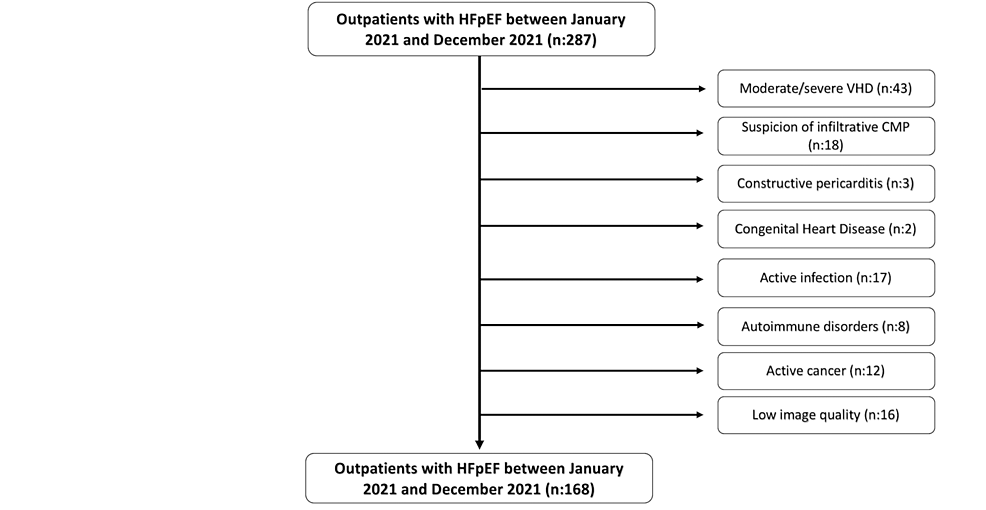
Left-to-right ventricular volume ratio and outcome in heart failure with preserved ejection fraction

Left-to-right ventricular volume ratio and outcome in heart failure with preserved ejection fraction

Source : https://journals.lww.com/jcardiovascularmedicine/Abstract/2023/08000/Left_to_right_ventricular_volume_ratio_and_outcome.10.aspx

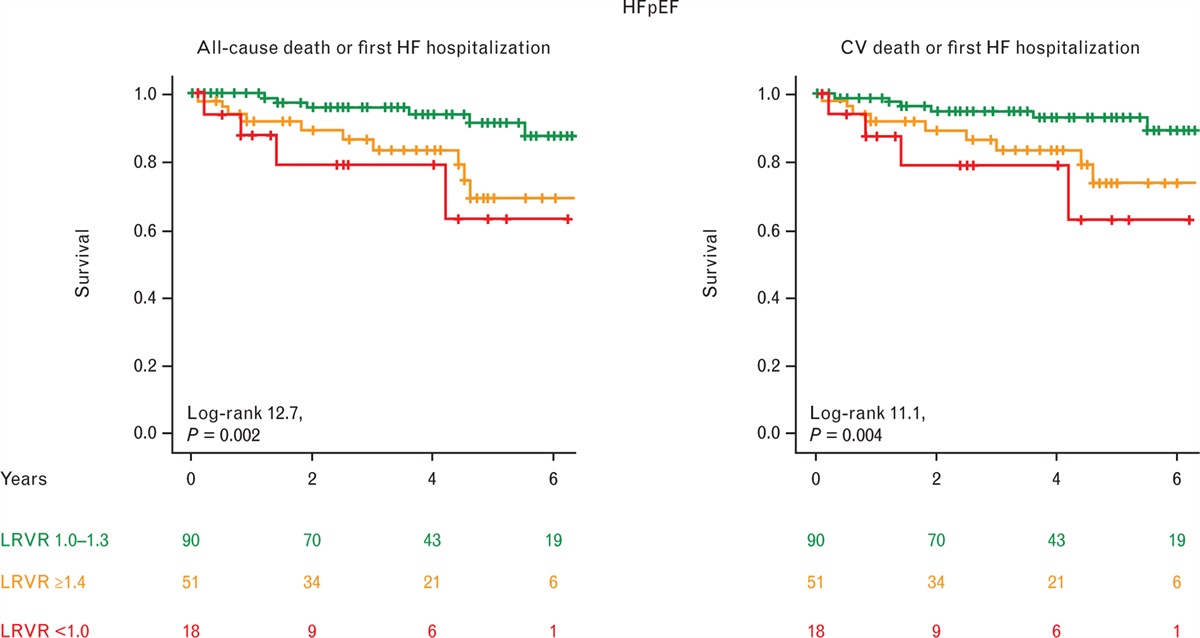
xamined all HFpEF outpatients undergoing a cardiac magnetic resonance from 2011 to 2021. The left-to-right ventricular volume ratio (LRVR) was defined as the ratio between the LV and right ventricle...

Conclusion: LRVR values less than 1.0 or at least 1.4 are associated with worse outcomes in HFpEF. LRVR may become a valuable tool for risk prediction in HFpEF.

Profile Image
  • Saved
Glucagon-like peptide-1 receptor agonists across the spectrum of heart failure - PubMed

Glucagon-like peptide-1 receptor agonists across the spectrum of heart failure - PubMed

Source : https://pubmed.ncbi.nlm.nih.gov/37409733/

Glucagon-like peptide-1 receptor agonists (GLP-1 RA) have been used to reduce body weight in overweight or people with obesity and to improve glycemic control and cardiovascular outcomes among people with...

Relevance: In this review, we summarize the evidence for the use of GLP-1 RA across patient’s risk with a particular focus in HF.

Profile Image
  • Saved
Clinical and Echocardiographic Correlates of Iron Status in Chronic Heart Failure Patients: A Cross-Sectional Descriptive Study

Clinical and Echocardiographic Correlates of Iron Status in Chronic Heart Failure Patients: A Cross-Sectional Descriptive Study

Source : https://www.ncbi.nlm.nih.gov/pmc/articles/PMC10321567/

Background: Chronic heart failure (HF) is one of the conditions commonly seen in the medical outpatient departments, and iron deficiency (ID) has been reported as the commonest nutritional deficiency in...

Conclusion: A spectrum of clinical changes occurs in patients with chronic HF. ID can make these changes more profound and the condition less amenable to standard HF treatments. These patients may therefore benefit from further evaluation for this nutritional deficiency. Laboratory measurements including Tsat and serum ferritin may help in...

Profile Image
  • Saved

Conclusions: The results confirmed that aerobic exercise and concurrent training interventions were effective to improve inflammaging markers of TNF-α, IL-6, and hs-CRP. These exercise-related anti-inflammaging responses were observed across ages (middle-aged and elderly-aged), exercise intensities, duration of follow-ups, and mean LVEFs...

Profile Image
  • Saved

Heart failure with reduced, mildly reduced and preserved ejection fraction: outcomes and predictors of prognosis

Source : https://www.mp.pl/paim/issue/article/16522/

DOI: 10.20452/pamw.16522, Published online: June 30, 2023, Authors: Tomasz M. Rywik, Anna Wiśniewska, Urszula Cegłowska, Anna Drohomirecka, Roman Topór-Mądry, Hubert Łazarczyk, Paula Połaska, Tomasz Zieliński, Agnieszka Doryńska

Conclusions: Survival in HFrEF is worse compared to HFmrEF and HFpEF, which are similar. HF phenotypes differ in most of the parameters that affect survival.

Profile Image
  • Saved
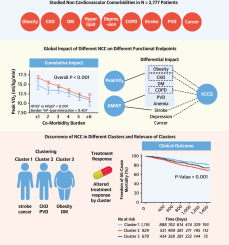
Distinct Impact of Noncardiac Comorbidities on Exercise Capacity and Functional Status in Chronic Heart Failure

Distinct Impact of Noncardiac Comorbidities on Exercise Capacity and Functional Status in Chronic Heart Failure

Source : https://www.sciencedirect.com/science/article/abs/pii/S2213177923002548?via=ihub

Noncardiac comorbidities (NCCs) are common in patients with heart failure (HF), but how they jointly affect exercise capacity and functional status is...

Conclusions: NCC type and burden have a significant and cumulative effect on exercise capacity, occur in clusters, and are associated with clinical outcomes in patients with chronic HF.

Profile Image
  • Saved
Systematic Review of the Economic Evaluation of Sodium-Glucose Cotransporter-2 Inhibitors Used as Treatment in Patients with Heart Failure - Clinical Drug Investigation

Systematic Review of the Economic Evaluation of Sodium-Glucose Cotransporter-2 Inhibitors Used as Treatment in Patients with Heart Failure - Clinical Drug Investigation

Source : https://link.springer.com/article/10.1007/s40261-023-01283-6

Background Sodium-glucose cotransporter-2 (SGLT2) inhibitors have been recently used as therapeutic agents for type 2 diabetes mellitus. Recent clinical trials have shown that they are beneficial for reducing the risk...

Conclusions: Most of the studies reported the cost-effectiveness of dapagliflozin and empagliflozin in patients with HFrEF. However, the cost-effectiveness of empagliflozin differed from country to country regarding patients with HFpEF. We suggest that further economic evaluation of SGLT2 inhibitors should focus on patients with HFpEF in more...

Profile Image
  • Saved
Left ventricular mass predicts cardiac reverse remodelling in patients treated with empagliflozin - Cardiovascular Diabetology

Left ventricular mass predicts cardiac reverse remodelling in patients treated with empagliflozin - Cardiovascular Diabetology

Source : https://cardiab.biomedcentral.com/articles/10.1186/s12933-023-01849-w

Background The cardiovascular (CV) benefits of sodium-glucose transport protein 2 inhibitors have been attributed, in part, to cardiac reverse remodelling. The EMPA-HEART CardioLink-6 study reported that sodium-glucose cotransporter-2 inhibition for...

Conclusion: Patients with larger LVMi at baseline experienced significantly greater cardiac reverse remodelling with empagliflozin than patients with a lower LVMi at baseline. Studies with larger cohorts and longer follow-ups are warranted to investigate the influence of baseline LVM on SGLT2i-mediated cardiac reverse remodelling and the...

Profile Image