



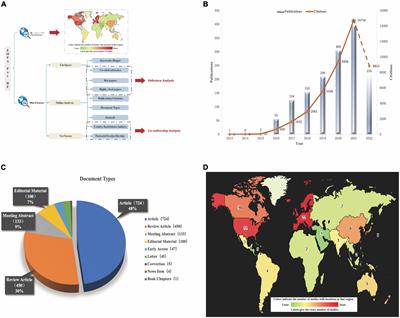
Knowledge domain and emerging trends in empagliflozin for heart failure: A bibliometric and visualized analysis
Source : https://www.frontiersin.org/articles/10.3389/fcvm.2022.1039348/full
ObjectiveEmpagliflozin (EMPA), a sodium-glucose cotransporter 2 inhibitor (SGLT2i), is recommended for all patients with Heart failure (HF) to reduce the risk of Cardiovascular death, hospitalization, and HF exacerbation. Qualitative and...
Conclusion: Based on methods such as bibliometrics, citation analysis and knowledge graph, this study analyzed the current situation and trend of EMPA for Heart Failure, sorted out the knowledge context in this field, and provided reference for current and future prevention and scientific research.
The effect of EMPAgliflozin on markers of inflammation in patients with concomitant type 2 diabetes mellitus and Coronary ARtery Disease: the EMPA-CARD randomized controlled trial - Diabetology & Metabolic Syndrome
Source : https://dmsjournal.biomedcentral.com/articles/10.1186/s13098-022-00951-5
Systemic inflammation and oxidative burden in patients with type 2 diabetes mellitus (T2DM) causes deleterious cardiovascular outcomes. We sought to investigate the clinical antioxidative and anti-inflammatory effects of empagliflozin. Platelet...
Conclusion: Among patients with T2DM and CAD, 6-month treatment with empagliflozin can mitigate inflammation, platelet activity and oxidative stress and is associated with clinical cardiovascular benefits.
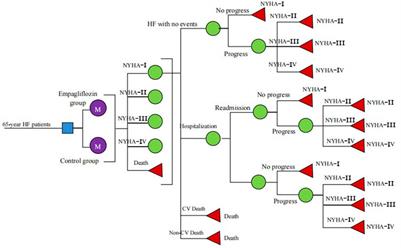
Cost-utility analysis of empagliflozin in heart failure patients with reduced and preserved ejection fraction in China
Source : https://www.frontiersin.org/articles/10.3389/fphar.2022.1030642/full
Objective: EMPEROR-Reduced and EMPEROR-Preserved studies showed the benefits of empagliflozin along with a reduction in cardiovascular death or hospitalisation for heart failure (HF).
Conclusion: Considering that the WTP threshold was $12,652.5/QALY, adding empagliflozin to standard therapy was proven to be a slightly more cost-effective option for the treatment of HFrEF and HFpEF from a Chinese healthcare system perspective, which promoted the rational use of empagliflozin for HF.
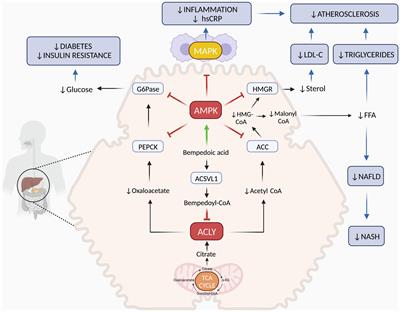
Mechanism of action and therapeutic use of bempedoic acid in atherosclerosis and metabolic syndrome
Source : https://www.frontiersin.org/articles/10.3389/fcvm.2022.1028355/full
Bempedoic acid is a new cholesterol-lowering drug, which has recently received US FDA and EMA approval. This drug targets lipid and glucose metabolism as well as inflammation via downregulation of...
Relevance: The aim of this narrative review on bempedoic acid is to explore the underlying mechanisms of action and potential clinical targets, present existing evidence from clinical trials, and describe practical management of patients.
Conclusions: Among people with neither diabetes nor significant heart failure but with risk factors for adverse cardiac remodeling, SGLT2 inhibition with empagliflozin did not result in a meaningful reduction in LVMi after 6 months.
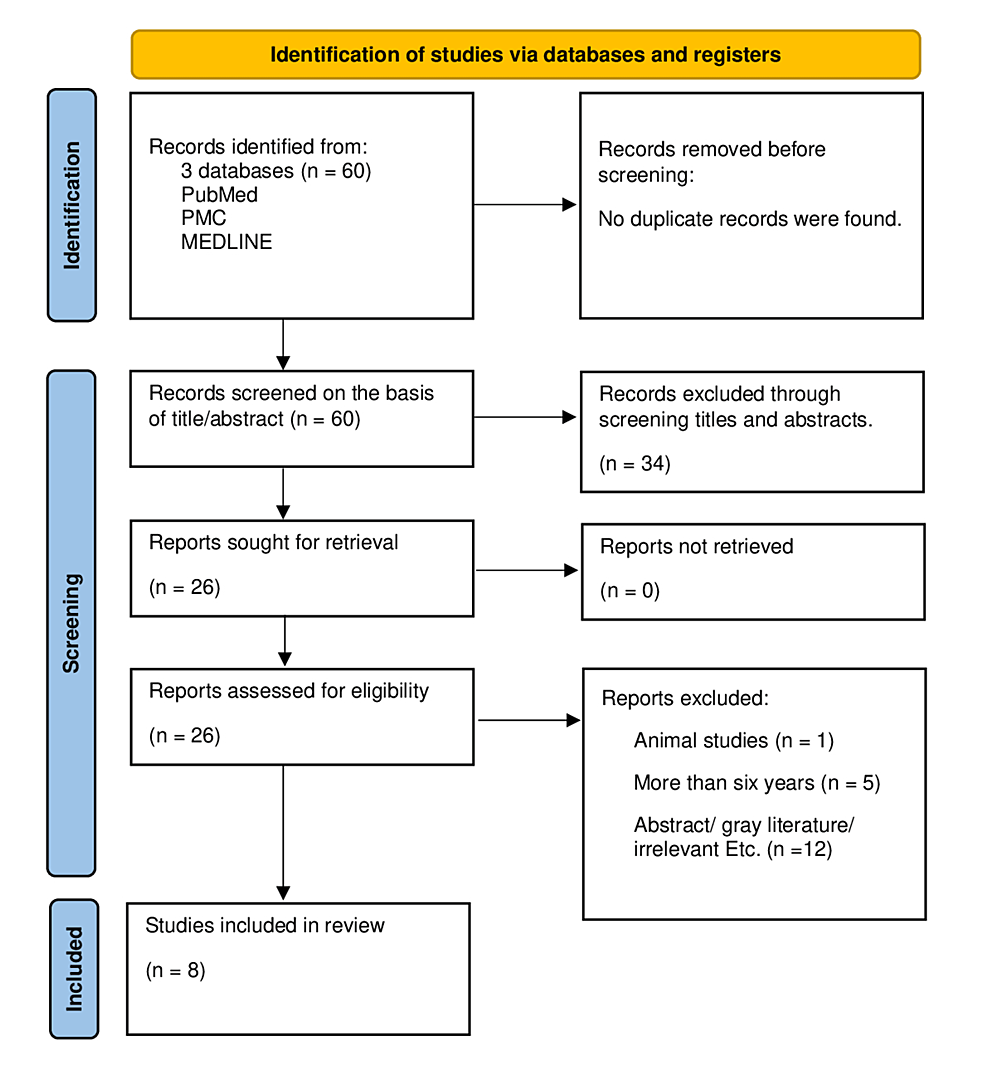
A Systematic Review Exploring the Cardiovascular and Renal Effects of Empagliflozin in Patients With Heart Failure With Reduced Ejection Fraction
The major cause of death in the United States is heart disease. The global burden of illness and mortality from heart failure is substantial. Despite recent innovations in the treatment...
Relevance: This systematic review's objective is to investigate and explore the full range of empagliflozin's effects and advantages on cardiac structure, function, and hemodynamics and renal function in patients with heart failure with reduced ejection fraction (EF) in order to better understand the drug's effects and related mechanisms.
Meaning: Optimal implementation of SGLT-2 inhibitors to approximately 4.8 million patients with HF in the US is estimated to potentially cause a reduction of about 250 000 worsening HF events in patients with LVEF more than 40% over 3 years, contributing to possible prevention/postponement of total approximately 630 000 events...
Impact of early initiation of sodium-glucose cotransporter 2 inhibitor on cardiovascular outcomes in people with diabetes and known or at risk of atherosclerotic cardiovascular disease: Propensity score matched analysis
Source : https://journals.plos.org/plosone/article?id=10.1371/journal.pone.0277321
Objective We aimed to evaluate the impact of early initiation of sodium-glucose cotransporter 2 inhibitors (SGLT2i) on cardiovascular (CV) outcomes in people with type 2 diabetes (T2D) with known or...
Conclusion: Early initiation of SGLT2 inhibitor was associated with lower MACE rates in T2D with known or at risk of ASCVD.
Empagliflozin in Patients with Chronic Kidney Disease
Source : https://www.nejm.org/doi/10.1056/NEJMoa2204233
Our apologies. An error occurred while setting your user cookie. Please set your browser to accept cookies to continue. NEJM.org uses cookies to improve performance by remembering your session ID...
Conclusions: Among a wide range of patients with chronic kidney disease who were at risk for disease progression, empagliflozin therapy led to a lower risk of progression of kidney disease or death from cardiovascular causes than placebo.

Impact of empagliflozin on left atrial mechanical and conduction functions in patients with type 2 diabetes mellitus - PubMed
Source : https://pubmed.ncbi.nlm.nih.gov/36308321/
doi: 10.1002/jcu.23384. Online ahead of print. 1 Faculty of Medicine, Department of Cardiology, Siirt University, Siirt, Turkey. 2 Faculty of Medicine, Department of Cardiology, Altinbas University, Istanbul, Turkey. 3 Faculty...
Conclusion: Empagliflozin may enhance the structure and electrical conductions of the atrium and may prevent DM patients from DM-2-related functional disorder and arrhythmia.

Cardiac Sodium/Hydrogen Exchanger (NHE11) as a Novel Potential Target for SGLT2i in Heart Failure: A Preliminary Study - PubMed
Source : https://pubmed.ncbi.nlm.nih.gov/36297433/
Despite the reduction of cardiovascular events, including the risk of death, associated with sodium/glucose cotransporter 2 inhibitors (SGLT2i), their basic action remains unclear. Sodium/hydrogen exchanger (NHE) has been proposed as...
Conclusion/Relevance: We described upregulation in NHE11 and NHE1, but only NHE11 correlated with human cardiac dysfunction, and its levels were reduced after treatment with empagliflozin. These results propose NHE11 as a potential target of SGLT2i in cardiac tissue.

Physicians' Considerations and Practice Recommendations Regarding the Use of Sodium-Glucose Cotransporter-2 Inhibitors - PubMed
Source : https://pubmed.ncbi.nlm.nih.gov/36294370/
1 Division of Endocrinology, Diabetes & Metabolic Diseases, Sidney Kimmel Medical College, Thomas Jefferson University, 211 S Ninth Street, Suite 600, Philadelphia, PA 19107, USA. 2 INOVA Heart and Vascular...
Conclusion: Recognition by physicians that the benefits of SGLT-2i use on clinical outcomes outweigh the risks will result in the integration of SGLT-2is into clinical practice and lead to improved patient care and outcomes.
The SGLT2 inhibitor empagliflozin reduces tissue sodium content in patients with chronic heart failure: results from a placebo-controlled randomised trial - Clinical Research in Cardiology
Source : https://link.springer.com/article/10.1007/s00392-022-02119-7
Introduction Sodium-glucose co-transporter 2 (SGLT2) inhibitors have cardiovascular protective properties in addition to the metabolic effects and represent a cornerstone of treating patients with chronic heart failure (CHF). We hypothesised...
Conclusion: This trial showed a significant decrease in skin sodium content after 1 and 3 months of treatment with empagliflozin. The decrease in skin sodium content may reflect a decrease in subclinical micro-oedema or/and in non-osmotic bound tissue sodium, both reported to impair left ventricular function.

Rationale and Study Design of Differences in Cardiopulmonary Exercise Capacity According to Coronary Microvascular Dysfunction and Body Composition in Patients with Suspected Heart Failure with Preserved Ejection Fraction
Source : https://e-heartfailure.org/DOIx.php?id=10.36628/ijhf.2021.0029
Rationale and Study Design of Differences in Cardiopulmonary Exercise Capacity According to Coronary Microvascular Dysfunction and Body Composition in Patients with Suspected Heart Failure with Preserved Ejection Fraction So Ree...
Relevance: This trial will suggest the specific phenotypes of HFpEF according to body composition and CMD and the specific management of the different phenotypes of HFpEF.

Distinctive effects of SGLT2 inhibitors on angiogenesis in zebrafish embryos
Source : https://www.sciencedirect.com/science/article/pii/S0753332222012719?via=ihub
Sodium glucose cotransporter 2 (SGLT2) inhibitor canagliflozin has been found to increase the risk for lower-limb amputations in type 2 diabetics abou...
Relevance: Sodium glucose cotransporter 2 (SGLT2) inhibitor canagliflozin has been found to increase the risk for lower-limb amputations in type 2 diabetics about two-fold. Conversely, empagliflozin and dapagliflozin do not display a similar effect. A question arises whether the increased risk for minor amputations is associated only with...

Comparative Effectiveness of Empagliflozin vs Liraglutide or Sitagliptin in Older Adults With Diverse Patient Characteristics - PubMed
Source : https://pubmed.ncbi.nlm.nih.gov/36264574/
In this comparative effectiveness study of older adults, empagliflozin was associated with a lower risk of HHF (relative to both liraglutide and sitagliptin) and the modified MACE outcome (relative to...
Meaning: These findings suggest that older adults with type 2 diabetes might benefit more from empagliflozin vs liraglutide or sitagliptin with respect to the risk of HHF; with respect to the risk of major cardiovascular events, empagliflozin might be preferable to liraglutide only in patients with cardiovascular disease history and to...

Echocardiographic diagnosis of heart failure with preserved ejection fraction in elderly patients with hypertension
Source : https://www.tandfonline.com/doi/full/10.1080/14017431.2022.2129777
Abstract Abstract Objectives. The aim of this study is to evaluate the diagnostic performance of echocardiography for the diagnosis of heart failure with preserved ejection fraction (HFpEF) in the elderly...
Conclusions: The EACVI filling pressure algorithm, RVIVRT, LASr, and the ratio LAVI/a′ were accurate for diagnosing HFpEF in elderly patients with hypertension. The HFA-PEFF score had high sensitivity but limited ability to exclude HFpEF.

Longitudinal changes in circulating ketone body levels in patients with acute heart failure: A post-hoc analysis of the EMPA-Response-AHF Trial - PubMed
Source : https://pubmed.ncbi.nlm.nih.gov/36244653/
doi: 10.1016/j.cardfail.2022.09.009. Online ahead of print. 1 University of Groningen, Department of Cardiology, University Medical Center Groningen (UMCG), Groningen. 2 University of Groningen, Department of Cardiology, University Medical Center Groningen...
Conclusions: Circulating ketone body concentrations, and acetone in particular, were significantly higher during an episode of acute decompensated HF compared to after stabilization. Treatment with empagliflozin did not affect ketone body concentrations in subjects with acute HF.

Effect of high-fat diet and empagliflozin on cardiac proteins in mice - Nutrition & Metabolism
Source : https://nutritionandmetabolism.biomedcentral.com/articles/10.1186/s12986-022-00705-0
Using proteomic techniques the impact of the sodium-glucose transport protein 2 inhibitor empagliflozin on cardiac protein expression in a mouse model was assessed under normal and high-fat diet (HFD) conditions....
Conclusions: Empagliflozin may protect the heart by altering the expression of genes including Apoe, Apoc1, Saa2, Apoa2, and Pon1, which are all involved in lipid metabolism disturbance in obesity.
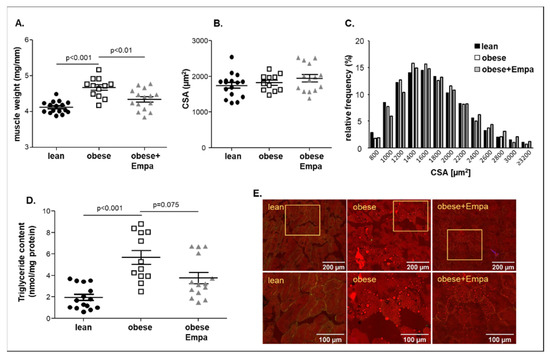
Empagliflozin Preserves Skeletal Muscle Function in a HFpEF Rat Model
Source : https://www.mdpi.com/1422-0067/23/19/10989
Besides structural alterations in the myocardium, heart failure with preserved ejection fraction (HFpEF) is also associated with molecular and physiological alterations of the peripheral skeletal muscles (SKM) contributing to exercise...
Conclusions: The results clearly documented a beneficial effect of Empa on SKM function in the present HFpEF model. These effects were accompanied by positive effects on mitochondrial function possibly modulating SKM function.