


Use of MHT in Women With Cardiovascular Disease: a Systematic Review and Meta-Analysis
Source : https://pubmed.ncbi.nlm.nih.gov/37933495/
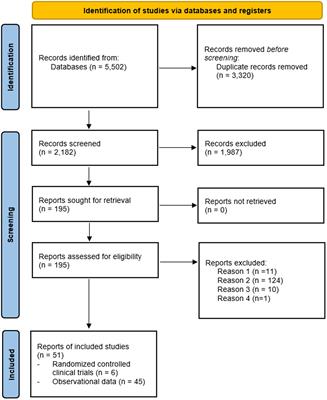
This systematic review assesses the effect of menopausal hormone therapy (MHT) on cardiovascular outcomes and risk factors in postmenopausal women with cardiovascular disease (CVD).
No significant differences were observed between MHT users and controls regarding primary outcomes of nonfatal MI, CV death, or stroke. No differences in frequency of angina, HF, and TIAs were observed.
Share




Systematic Review and Meta-Analysis of the Effects of Menopause Hormone Therapy on Risk of Alzheimer’s Disease and Dementia
Source : https://www.frontiersin.org/articles/10.3389/fnagi.2023.1260427/full
Despite a large preclinical literature demonstrating neuroprotective effects of estrogen, use of menopausal hormone therapy (HT) for Alzheimer's disease (AD) risk reduction has been controversial.
In midlife, ET use was associated with a 32% reduction in dementia risk, while EPT use showed a non-significant 23% risk reduction as compared to non-use.
Share

Cardiovascular Risk Assessment in Women: Which Women Are Suited for Menopausal Hormone Therapy?
Source : https://pubmed.ncbi.nlm.nih.gov/37931647/
Individual risk assessment for atherosclerotic cardiovascular disease is important for safe menopausal hormone prescription.
Estimation of ASCVD risk in perimenopausal women needing MHT can be tailored by adding female-specific risk factors and a CAC score with computed tomography if there is doubt about individual risk.
Share
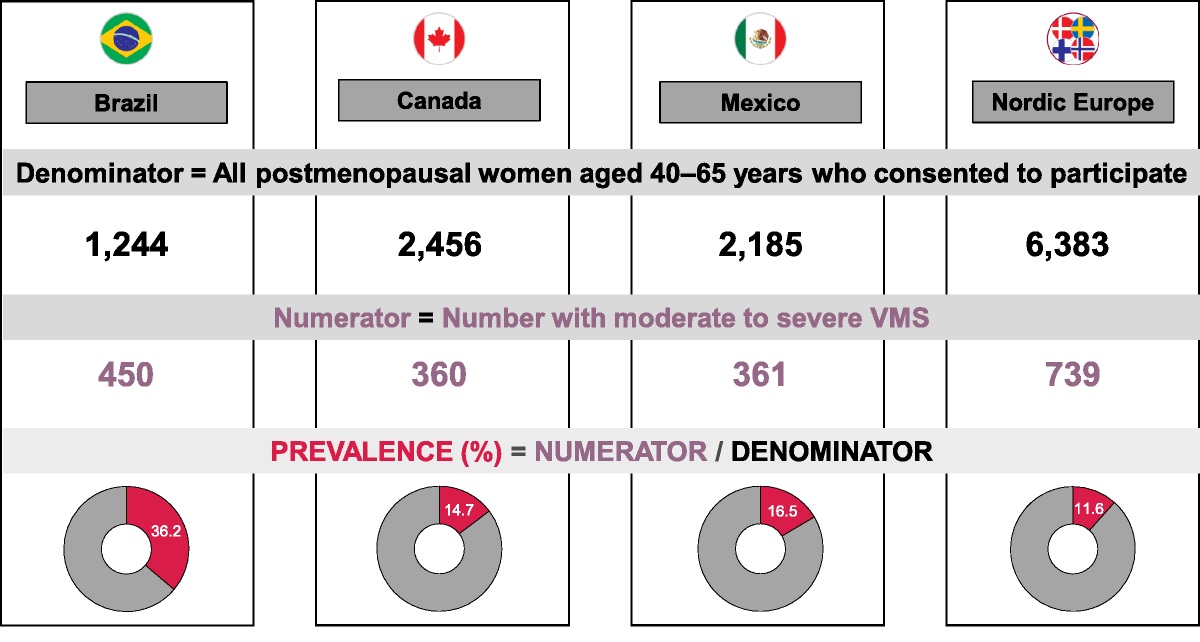
Prevalence and Impact of Vasomotor Symptoms due to Menopause Among Women in Brazil, Canada, Mexico, and Nordic Europe: a Cross-Sectional Survey
Researchers surveyed women aged 40 to 65 years in Brazil, Canada, Mexico, and 4 Nordic European countries (Denmark, Finland, Norway, and Sweden) using an online survey. Secondary objectives assessed impact...
A total of 37,206 women across Brazil, Canada, Mexico, and 4 Nordic European countries accessed the survey. Across regions, 44% never received any pharmacologic treatment, and 16.9% and 5.2% of respondents were taking prescription HT and non-HT medications, respectively, at the time of the survey.
Share

Fezolinetant blocks NKB binding on the kisspeptin/neurokinin B/dynorphin neuron, which modulates neuronal activity in the thermoregulatory center and decreases the number and intensity of hot flashes and night sweats.
Share