

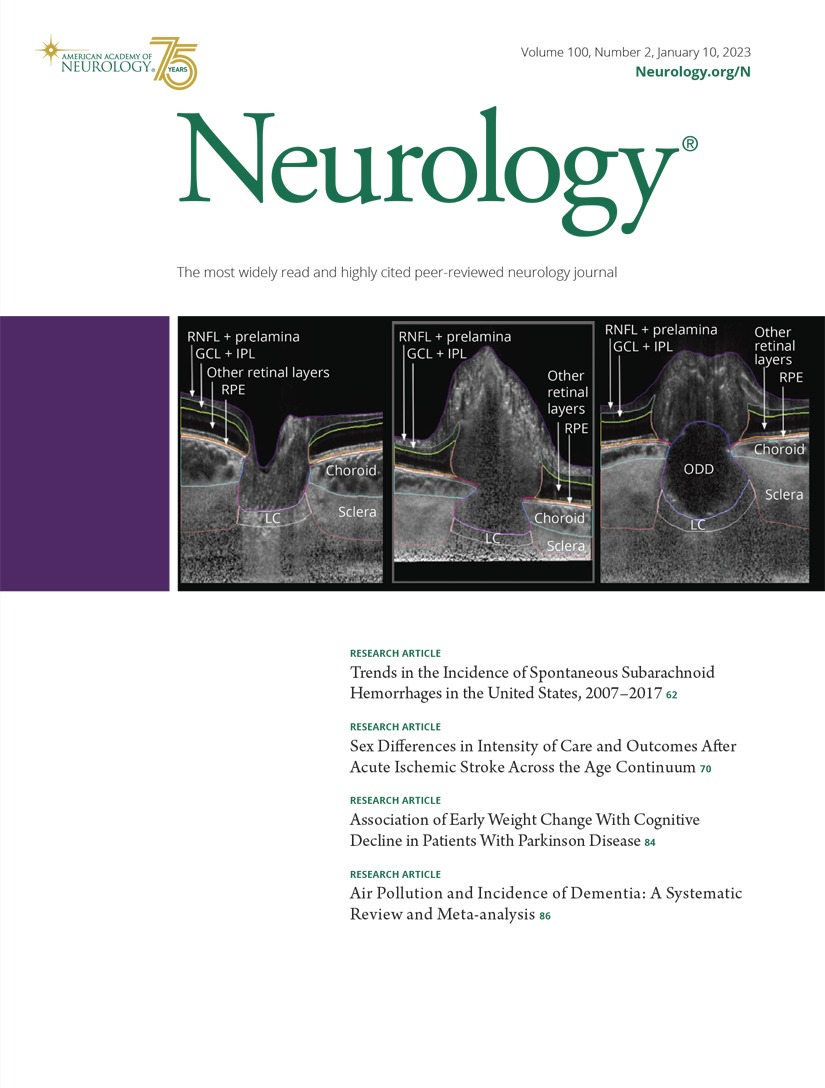
Menopausal Vasomotor Symptoms and White Matter Hyperintensities in Midlife Women
Source : https://n.neurology.org/content/100/2/e133.abstract
Background and Objectives The menopause transition is increasingly recognized as a time of importance for women's brain health. A growing body of work indicates that the classic menopausal symptom, vasomotor...
Discussion: VMS, particularly VMS occurring during sleep, were associated with greater WMHV. Identification of female-specific midlife markers of poor brain health later in life is critical to identify women who warrant early intervention and prevention. VMS have the potential to serve as female-specific midlife markers of brain health in...
Share




BEING: Bone Health in Aging Women with HIV: Impact of Switching Antiretroviral Therapy on Bone Mineral Density During the Perimenopausal Period
Source : https://www.liebertpub.com/doi/full/10.1089/aid.2022.0106
If the address matches an existing account you will receive an email with instructions to reset your password.
Conclusion: Our cohort had reasonably good bone health despite years of HIV and TDF therapy, but we did observe a trend toward increased BMD with a switch from TDF to TAF. The perimenopausal period is an important time to assess reversible parameters affecting bone health.
Share
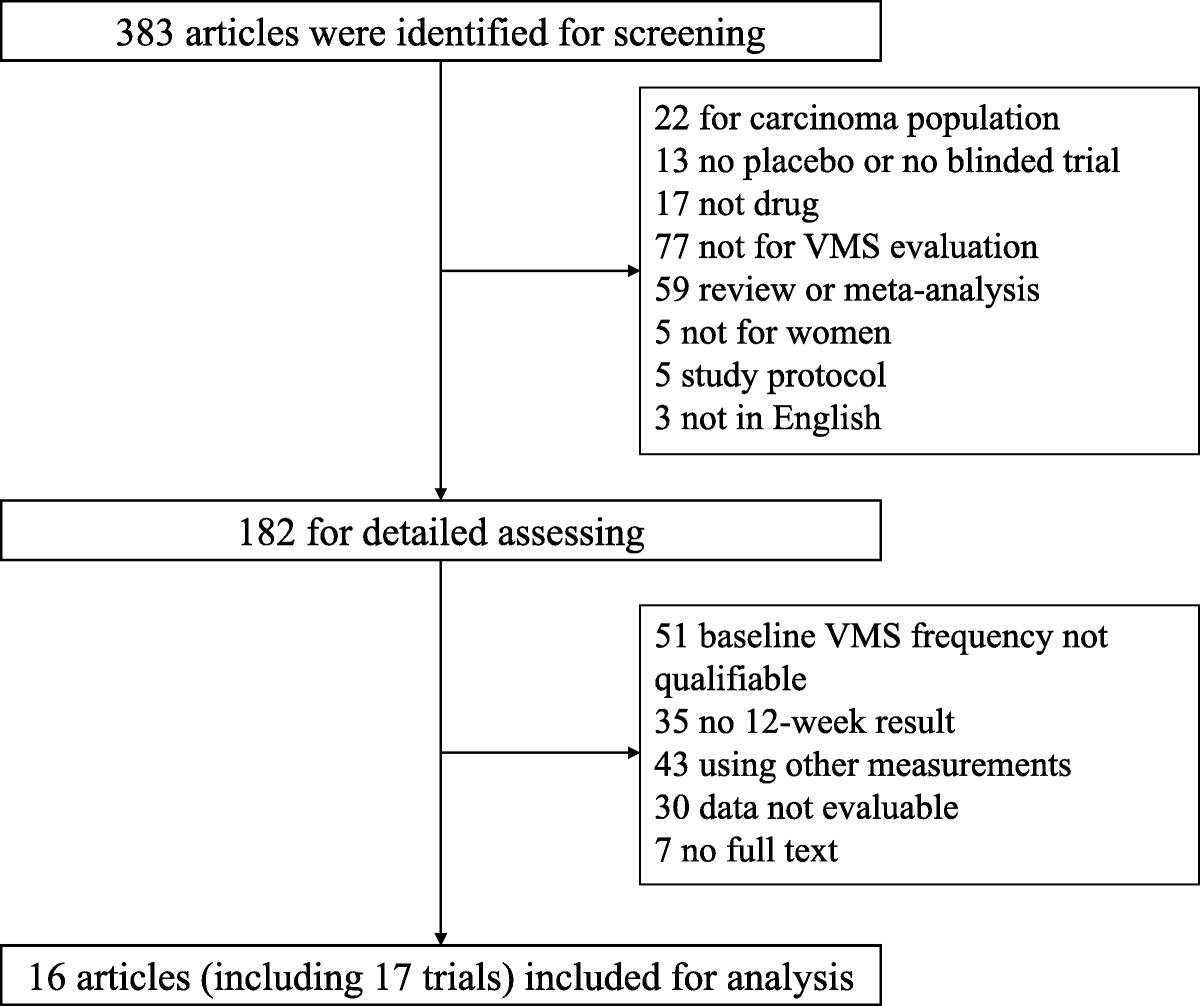
Estimation of placebo effect in randomized placebo-controlled trials for moderate or severe vasomotor symptoms: a meta-analysis
This study aimed to estimate placebo effects in randomized controlled trials (RCTs) fulfilling this guidance. Methods PubMed was searched using the following terms: "vasomotor symptom or hot flash or hot...
Conclusion: Substantial and consistent placebo effects were observed in RCTs for VMS treatment. These data suggest a reduction of 5.44 times per day in frequency and 0.36 in severity might be observed as a placebo effect.
Share
Impact of Menopause and the Menstrual Cycle on Oxidative Stress in Japanese Women
Source : https://www.mdpi.com/2077-0383/12/3/829
Although estrogen possesses both pro- and anti-oxidant properties, its overall role in oxidative stress among women remains unclear, particularly since the influence of exogenously administered estrogen during previous studies differed...
Conclusion: We found that oxidative stress, as evaluated by d-ROMs, was significantly higher in postmenopausal women than in premenopausal counterparts. However, there were no significant shifts in oxidative stress markers during the menstrual cycle. Additional studies are needed to fully understand the mechanisms by which endogenous estrogen...
Share

Effects of nutritional interventions on the severity of depressive and anxiety symptoms of women in the menopausal transition and menopause: a systematic review, meta-analysis, and meta-regression
Objective This systematic review and meta-analysis aimed to evaluate the effect of nutritional interventions on the severity of depressive (DS) and anxiety (AS) symptoms in women during the menopausal transition...
Conclusion: Nutritional interventions are promising tools for the management of mood/anxiety symptoms in women during the menopausal transition and in postmenopausal years. Because of significant heterogeneity and risk of bias among studies, the actual effect of different approaches is still unclear.
Share