


Concurrent Uterine Surgery and Uptake of Hormone Therapy in Patients Undergoing Bilateral Salpingo-Oophorectomy for Risk-Reducing or Therapeutic Indications
Source : https://pubmed.ncbi.nlm.nih.gov/37988946/
Rates of hysterectomy declined over the study period and slightly more than one-third of eligible patients utilized post-operative HT. Further research on concurrent uterine surgery is needed to establish standardized...
Utilization of concurrent uterine surgery at the time of risk-reducing or therapeutic bilateral salpingo-oophorectomy varies.
Share





Psychometric Evaluation of the PROMIS SD-SF-8b Instrument in Individuals Experiencing Vasomotor Symptoms Due to Menopause
Source : https://pubmed.ncbi.nlm.nih.gov/37990323/
ClinicalTrials.gov numbers: NCT04003155 and NCT04003142.
The psychometric properties of the PROMIS SD-SF-8b support its use to measure sleep disturbance in women with vasomotor symptoms due to menopause.
Share

Menopause has minimal effect on the physiological responses to hypoxia in physically fit women and does not increase the risk of acute mountain sickness. Postmenopausal women have an increased risk of urinary tract infections, which may be exacerbated during mountain travel.
Share

Use of MHT in Women With Cardiovascular Disease: a Systematic Review and Meta-Analysis
Source : https://pubmed.ncbi.nlm.nih.gov/37933495/
This systematic review assesses the effect of menopausal hormone therapy (MHT) on cardiovascular outcomes and risk factors in postmenopausal women with cardiovascular disease (CVD).
No significant differences were observed between MHT users and controls regarding primary outcomes of nonfatal MI, CV death, or stroke. No differences in frequency of angina, HF, and TIAs were observed.
Share
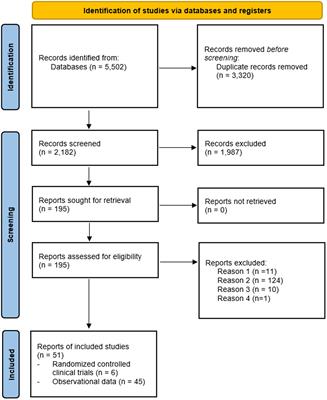
Systematic Review and Meta-Analysis of the Effects of Menopause Hormone Therapy on Risk of Alzheimer’s Disease and Dementia
Source : https://www.frontiersin.org/articles/10.3389/fnagi.2023.1260427/full
Despite a large preclinical literature demonstrating neuroprotective effects of estrogen, use of menopausal hormone therapy (HT) for Alzheimer's disease (AD) risk reduction has been controversial.
In midlife, ET use was associated with a 32% reduction in dementia risk, while EPT use showed a non-significant 23% risk reduction as compared to non-use.
Share