




micro-community-banner
Profile Image
  • Saved
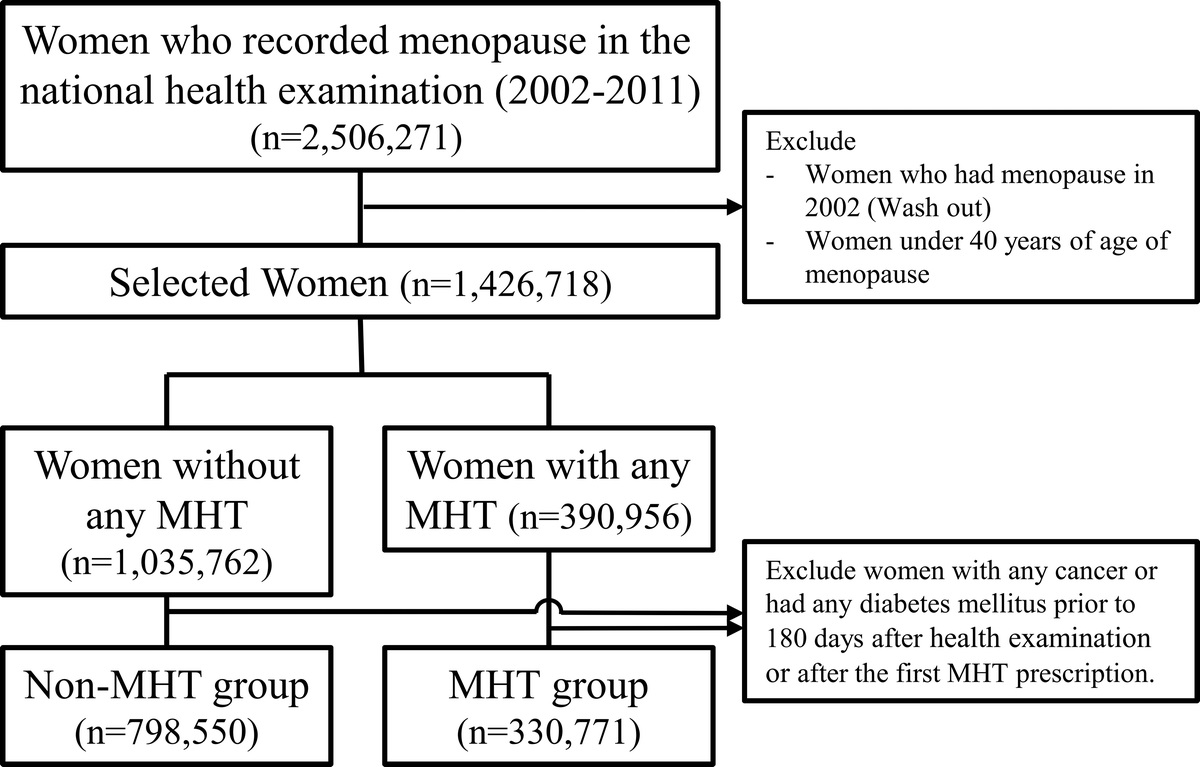
Menopausal hormone therapy and the risk of type 2 diabetes mellitus: Health Insurance Database in South Korea–based retrospective cohort study

Menopausal hormone therapy and the risk of type 2 diabetes mellitus: Health Insurance Database in South Korea–based retrospective cohort study

Source : https://journals.lww.com/menopausejournal/Abstract/9900/Menopausal_hormone_therapy_and_the_risk_of_type_2.163.aspx

ether MHT, which is currently widely prescribed, increases the risk of T2DM. Method We performed a retrospective cohort study based on national health insurance data and cancer screening data from...

Conclusion: MHT, including tibolone, which is currently the most prescribed agent, increased the risk of T2DM; however, CEPM did not increase the risk of T2DM. Only tibolone increased the risk of T2DM in participants older than 70 years.

Profile Image
  • Saved

made a Post

Antidepressant Use to Treat Menopausal Vasomotor Symptoms

It is estimated that close to 40% of the world's 1.2 billion women will be post-menopausal or menopausal by 2030. That's nearly 50 million women and, among those, ~60-70% are likely to suffer from menopausal symptoms. Although hormone therapy (HT) is suggested for curtailing both vasomotor symptoms and mood disturbances, HT treatment continues to be controversial. Aside from breast cancer and cardiovascular concerns, research shows that HT itself might also increase the risk of depression.

In a recent discussion among OB-GYNs and primary care clinicians, about half stated they treat menopausal vasomotor symptoms with antidepressants such as SSRIs, SNRIs, and bupropion. While there was agreement that the treatment may not address all of the symptoms, research has confirmed that antidepressants are effective in treating both depression and vasomotor symptoms shortly before, during, and after menopause.

Which antidepressant(s) do you find most effective for the treatment of menopause? Have you observed whether these are the same antidepressants that work in younger women for premenstrual dysphoric disorder?

Profile Image
  • 3yr
    I would consider using Paroxetine for treatment of VMS if there is contraindications to use of hormonal Rx, risk of thromboembolism and breast cancer with the use of Estrogen, change Show More
  • 3yr
    SSRI’s as a class all work excellently in their relief of VMS of menopause. The longest acting, best studied, and most economical in the class is fluoxetine. A simple daily Show More
Show More Comments

  • Saved

made a Post

Antidepressant Use to Treat Menopausal Vasomotor Symptoms

It is estimated that close to 40% of the world's 1.2 billion women will be post-menopausal or menopausal by 2030. That's nearly 50 million women and, among those, ~60-70% are likely to suffer from menopausal symptoms. Although hormone therapy (HT) is suggested for curtailing both vasomotor symptoms and mood disturbances, HT treatment continues to be controversial. Aside from breast cancer and cardiovascular concerns, research shows that HT itself might also increase the risk of depression.

In a recent discussion among OB-GYNs and primary care clinicians, about half stated they treat menopausal vasomotor symptoms with antidepressants such as SSRIs, SNRIs, and bupropion. While there was agreement that the treatment may not address all of the symptoms, research has confirmed that antidepressants are effective in treating both depression and vasomotor symptoms shortly before, during, and after menopause.

Which antidepressant(s) do you find most effective for the treatment of menopause? Have you observed whether these are the same antidepressants that work in younger women for premenstrual dysphoric disorder?

Profile Image
  • 3yr
    I have treated patient with Venlafaxine ER and have had good effect with VMS as well as the benefit of decreased anxiety and depression. I have even have had Show More
  • 3yr
    I have seen good improvement with fluoxetine and paroxetine. Patients on sertraline had shown some side effects. Seen symptoms improve by over 50% in many cases.

Show More Comments

  • Saved
Association of adverse pregnancy outcomes and multiple gestation with natural menopause: A population-based cohort study

Association of adverse pregnancy outcomes and multiple gestation with natural menopause: A population-based cohort study

Source : https://www.sciencedirect.com/science/article/abs/pii/S0378512222002195

Adverse pregnancy outcomes (APOs) and early menopause are each associated with increased risk of cardiovascular disease (CVD); whether APOs are associated with age at menopause is unclear. We examined the...

Conclusion: In this large cohort study, several statistically significant associations between APOs and age at natural menopause were observed. A deeper understanding of the relationships among APOs, menopause, and CVD is needed to help identify people at higher risk for early menopause and later CVD.

Profile Image
  • Saved
The role of diet in managing menopausal symptoms: A narrative review - PubMed

The role of diet in managing menopausal symptoms: A narrative review - PubMed

Source : https://pubmed.ncbi.nlm.nih.gov/36792552/

Menopause is a natural stage that occurs when women stop menstruating, during which many women experience physical and psychological symptoms that can affect their quality of life and ability to...

Conclusion: Although evidence for the impact of many dietary components on alleviating menopausal sumptoms in limited or inconsistent, research does indicate that a healthy dietary pattern may alleviate a number of symptoms and reduce the risk of chronic disease.

Profile Image