



Association Between Estrogen Replacement Therapy and Heart Failure in Postmenopausal Women: a Systematic Review and Meta-Analysis
Source : https://pubmed.ncbi.nlm.nih.gov/38382766/
This systematic review demonstrated that estrogen replacement therapy did not significantly change the risk of first hospitalized heart failure and admission to the hospital for heart failure in postmenopausal women.
Estrogen replacement therapy did not significantly change the risk of first hospital stay for heart failure and admission to the hospital for heart failure in postmenopausal women.

Systematic Review of Neurokinin-3 Receptor Antagonists for the Management of Vasomotor Symptoms of Menopause
Source : https://pubmed.ncbi.nlm.nih.gov/38471077/
Because of the high-quality evidence supporting the efficacy of fezolinetant and elinzanetant, these agents may be an effective option with mild adverse events for women seeking nonhormone treatment of VMS.
Because of the high-quality evidence supporting the efficacy of fezolinetant and elinzanetant, these agents may be an effective option with mild adverse events for women seeking nonhormone treatment of vasomotor symptoms.

Navigating Menopause at Work: a Preliminary Study About Challenges and Support Systems
Source : https://pubmed.ncbi.nlm.nih.gov/38442310/
This study reveals an exigent need for increased awareness and structural changes to support working women going through menopause. The findings have far-reaching implications for not just promoting gender equity...
The severity of menopausal symptoms was found to significantly predict more emotional exhaustion, less work engagement, and greater turnover intentions.
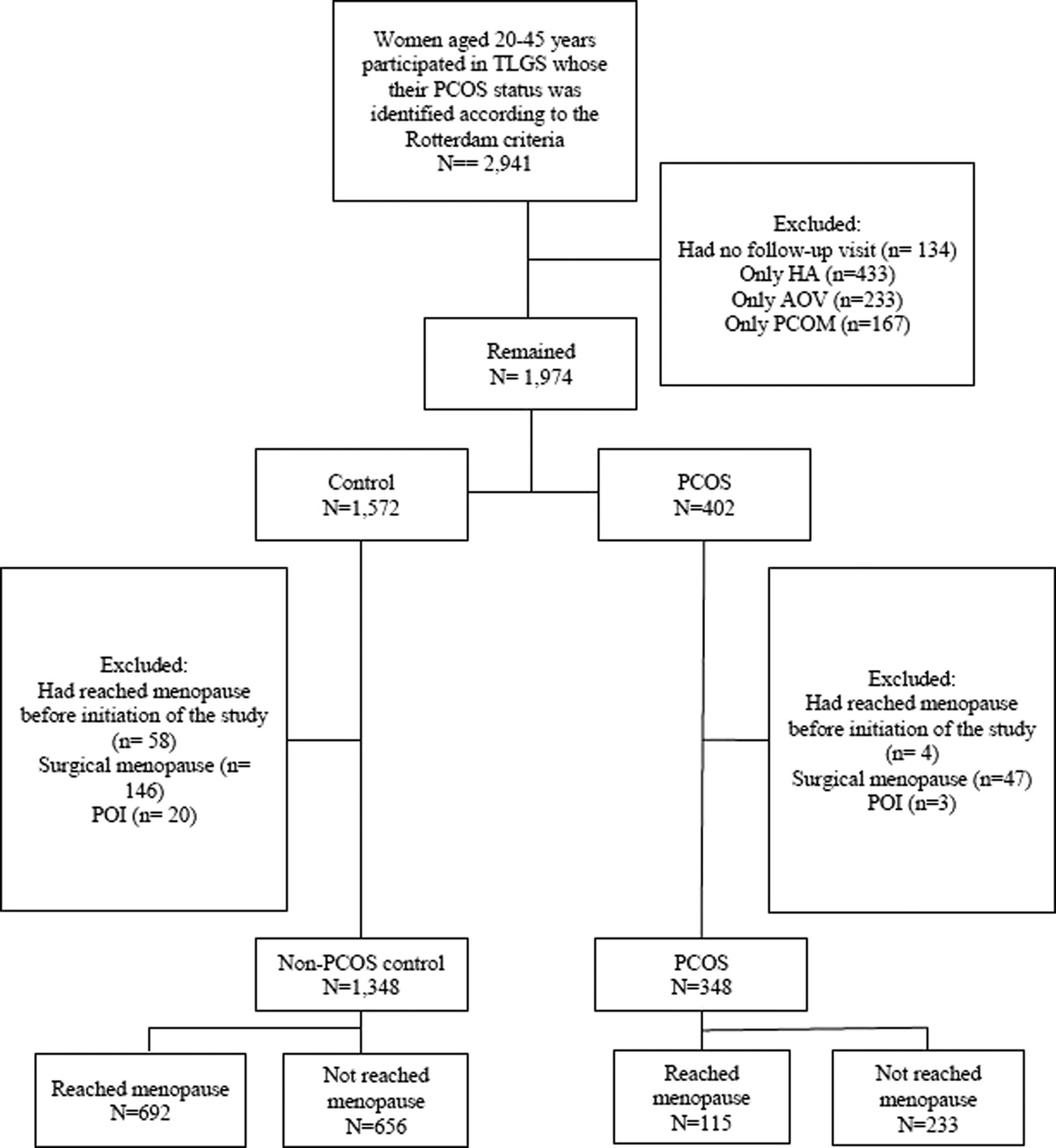
A Prospective Study on the Relationship Between Polycystic Ovary Syndrome and Age at Natural Menopause
Of these, 348 women with PCOS based on the Rotterdam criteria and 1,348 non-PCOS controls were followed to assess the age at which they reached menopause.
The unadjusted accelerated failure time survival model revealed a significant positive association between polycystic ovary syndrome (PCOS) and age at natural menopause; women with PCOS experienced time to menopause by a factor of 1.05 than non-PCOS controls.

Psychometric Evaluation of the MENQOL Instrument in Women Experiencing Vasomotor Symptoms Associated With Menopause
Source : https://pubmed.ncbi.nlm.nih.gov/38396203/
ClinicalTrials.gov identifiers NCT04003155 and NCT04003142.
Overall, the results provided evidence of acceptable psychometric properties of the Menopause-Specific Quality of Life overall and domain scores using 1-week recall.