



Skin Rejuvenation in Women Using Menopausal Hormone Therapy: a Systematic Review and Meta-Analysis
Source : https://pubmed.ncbi.nlm.nih.gov/38230593/
MHT increases elasticity and collagen content in the skin, thereby reducing the severity of wrinkles and increasing skin thickness. Nevertheless, more well-conducted clinical trials are required to answer all questions...
Menopausal hormone therapy increased elasticity and collagen content in the skin, thereby reducing the severity of wrinkles and increasing skin thickness.
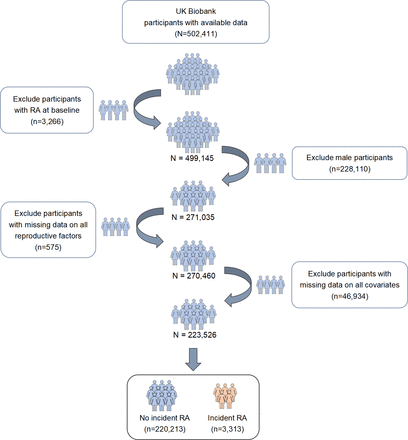
Hormonal and Reproductive Factors in Relation to the Risk of Rheumatoid Arthritis in Women: a Prospective Cohort Study With 223,526 Participants
Source : https://rmdopen.bmj.com/content/10/1/e003338.long
This study aimed to examine rheumatoid arthritis (RA) risk associated with hormonal and reproductive factors in women from the large cohort of the UK Biobank. Data on hormonal and reproductive...
Hormone replacement therapy and its duration of use were both associated with a higher risk of rheumatoid arthritis.
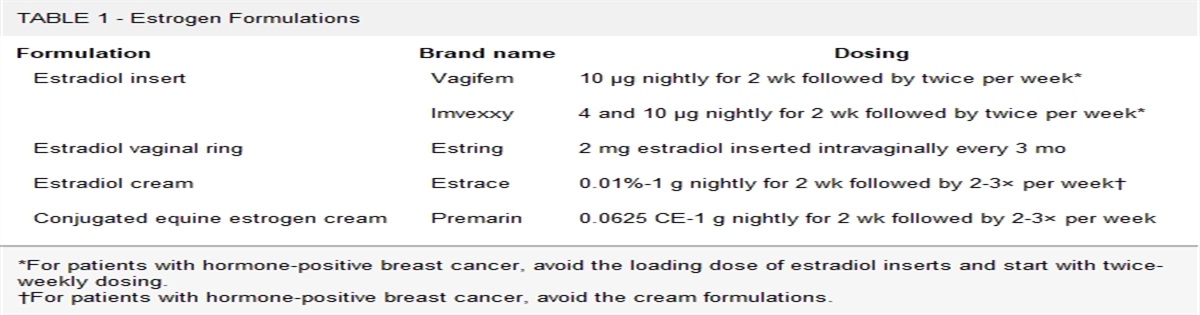
Genitourinary Syndrome of Menopause in Cancer Survivors
In this review, we cover important considerations in the assessment of GSM; nonpharmacologic, behavioral, integrative, pharmacologic, and medical device treatments for GSM: the unique considerations in GSM by cancer treatment...
The number of cancer survivors is increasing, and the unique aspects of management of genitourinary syndrome for cancer survivors, such as the safety of hormonal therapies, is important to understand.

Fezolinetant: a Potential Treatment for Moderate to Severe Vasomotor Symptoms of Menopause
Source : https://www.ncbi.nlm.nih.gov/pmc/articles/PMC10769482/
The most common symptom of menopause is vasomotor symptoms (VMS), which occur in more than 80% of postmenopausal women. Furthermore, VMS are the manifestation of menopause for which women most...
As early as 4 weeks from initiating fezolinetant, women experienced a statistically significant reduction of both severity and frequency of VMS per day.
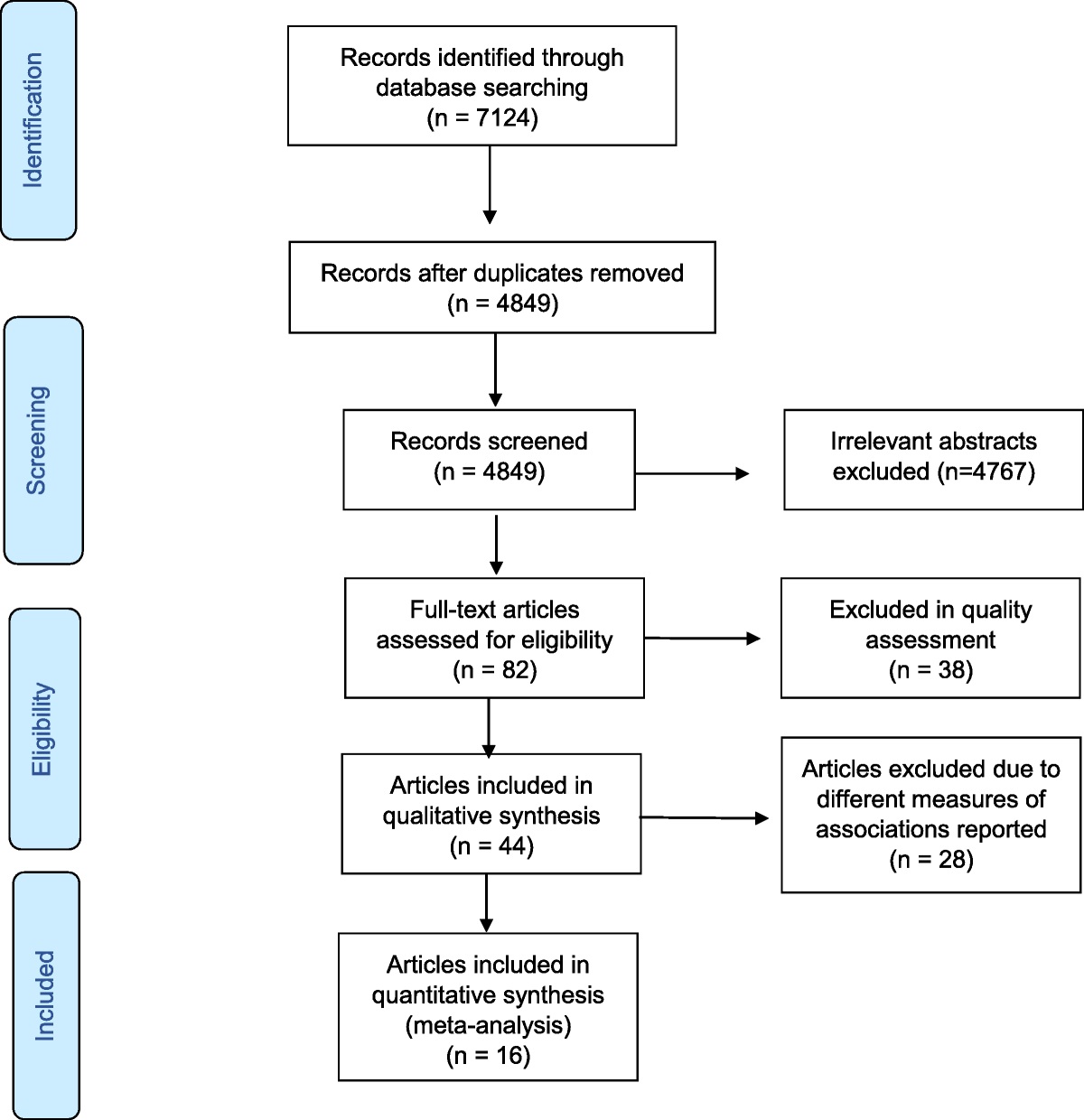
The Association of Menopause With Cardiometabolic Disease Risk Factors in Low- and Middle-Income Countries: a Systematic Review and Meta-Analyses
This study aimed to evaluate evidence from the literature on differences in CMD risk factors between premenopausal and postmenopausal midlife women living in low- and middle-income countries.
Compared with premenopausal women, the postmenopausal stage was associated with metabolic syndrome, high waist-to-hip ratio, hypertension, elevated triglycerides, and elevated plasma glucose.