


Postmenopausal hormone therapy and mortality before and after the Women's Health Initiative study - Scientific Reports
Source : https://www.nature.com/articles/s41598-023-27731-z
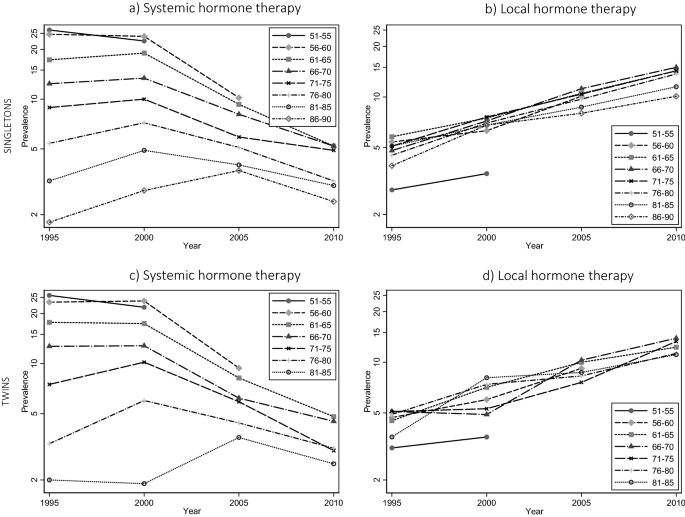
Weighing risks and benefits of postmenopausal hormone therapy (HT) has proven a balancing act. We aimed to investigate the association between HT and mortality before and after the 2002 publication...
Discussion: We found a decreased systemic HT prevalence and an increased mortality risk for systemic HT users in both study populations in the wake of the 2002 WHI publication with the most pronounced tendency presented in the singleton population. The findings suggest an alteration in the HT user profile after 2002 with a different pattern of...

An oral French maritime pine bark extract improves hair density in menopausal women: A randomized, placebo‐controlled, double blind intervention study
Source : https://www.ncbi.nlm.nih.gov/pmc/articles/PMC9817492/
Female pattern hair loss affects females of all ages with a trend to increase after menopause. This disorder may have significant psychological impact and lead to anxiety and depression.
Conclusion: Pycnogenol intake significantly increased hair density by 30% and 23% after 2 and 6 months of treatment, respectively, as detected by Trichoscan evaluation of digital photographs. Interestingly, photoplethysmography revealed that this beneficial effect was associated with a decrease in resting flux of the scalp skin, which might...

Comparison of peripheral and cerebral vascular function between premenopausal, early and late postmenopausal females - PubMed
Source : https://pubmed.ncbi.nlm.nih.gov/36621779/
The risk of cardiovascular and cerebrovascular disease increases in ageing females, coinciding with the onset of menopause. Differences in peripheral and cerebrovascular function across menopausal stages, however, are poorly characterized....
Conclusion: We observed no differences in vascular function between healthy, active pre- and postmenopausal females. After accounting for age, there was no difference in cerebrovascular function between groups, and there were no associations between reproductive hormone levels, vascular function and NO bioavailability.
The Efficacy of Strength Exercises for Reducing the Symptoms of Menopause: A Systematic Review
Source : https://www.mdpi.com/2077-0383/12/2/548
Background: The aim of this systematic review was to determine whether strength exercises improve the symptoms of menopause and to provide an update on the most recent scientific evidence on...
Conclusion: Considering the studies encountered, strength exercises can be beneficial for improving menopausal symptoms that affect muscle performance in general, physical activity, bone density and hormonal and metabolic responses such as heart rate, blood pressure and hot flashes. In terms of the appropriate type of strength training, the...
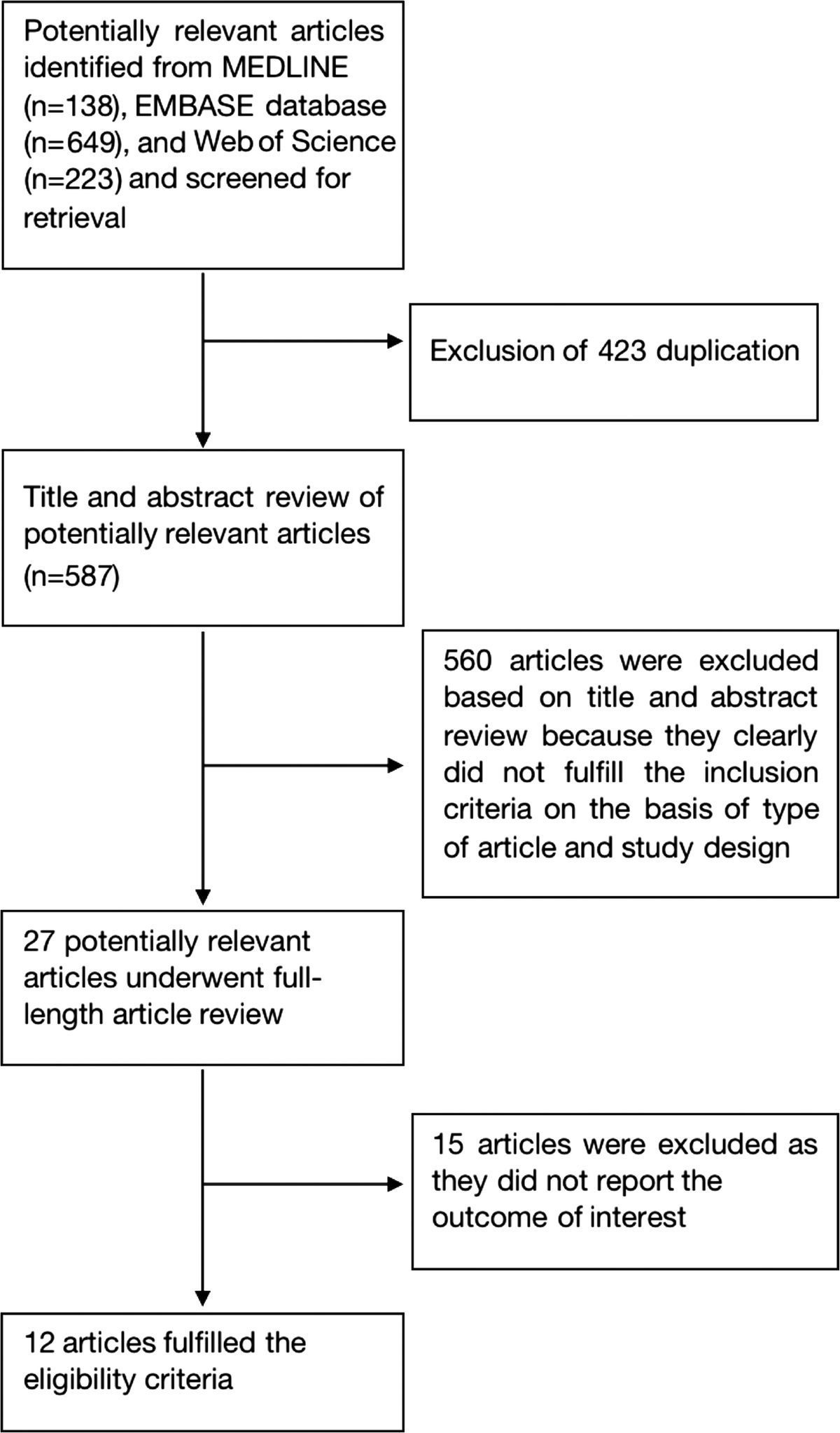
Menopause is associated with increased prevalence of nonalcoholic fatty liver disease: a systematic review and meta-analysis
lly eligible studies were identified from EMBASE, MEDLINE, and Web of Science databases from inception to December 2021 using a search strategy that was composed of the terms for "NAFLD"...
Conclusion: The meta-analysis reveals that menopausal status was associated with approximately 2.4 times higher odds of NAFLD.