


Menopause Connect
Profile Image
  • Saved
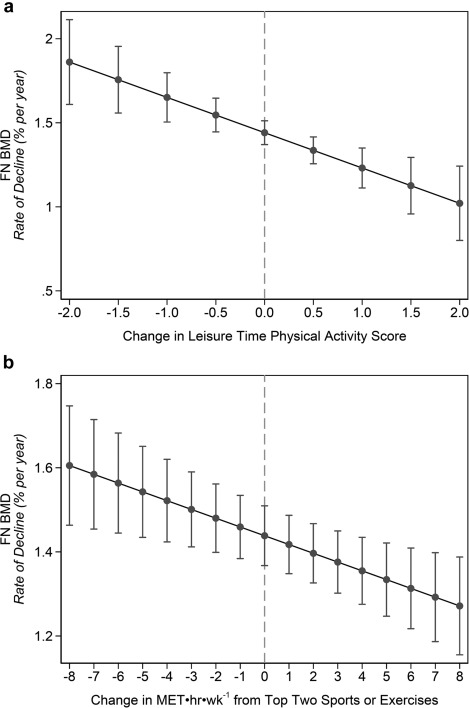
Leisure time physical activity and bone mineral density preservation during the menopause transition and postmenopause: a longitudinal cohort analysis from the Study of Women's Health Across the Nation (SWAN)

Leisure time physical activity and bone mineral density preservation during the menopause transition and postmenopause: a longitudinal cohort analysis from the Study of Women's Health Across the Nation (SWAN)

Source : https://www.thelancet.com/journals/lanam/article/PIIS2667-193X(23)00055-8/fulltext

Whether greater leisure time physical activity (LTPA) is associated with less bone mineral density (BMD) loss during the menopause transition (MT) remains an open question. We hypothesized that: 1) larger...

Conclusion: Our first hypothesis, that increasing LTPA during midlife (from premenopause/early perimenopause to late perimenopause/postmenopause), would be associated with slower BMD loss in the late peri- and postmenopause, was supported by the results. The second hypothesis was also upheld: greater entire-study average levels of LTPA score...

Profile Image
  • Saved

Conclusion: PCS can be an effective intervention in PHC for improving women’s health in menopause and possibly also prevent the development of exhaustion syndrome.

Profile Image
  • Saved

made a Post

Antidepressant Use to Treat Menopausal Vasomotor Symptoms

It is estimated that close to 40% of the world's 1.2 billion women will be post-menopausal or menopausal by 2030. That's nearly 50 million women and, among those, ~60-70% are likely to suffer from menopausal symptoms. Although hormone therapy (HT) is suggested for curtailing both vasomotor symptoms and mood disturbances, HT treatment continues to be controversial. Aside from breast cancer and cardiovascular concerns, research shows that HT itself might also increase the risk of depression.

In a recent discussion among OB-GYNs and primary care clinicians, about half stated they treat menopausal vasomotor symptoms with antidepressants such as SSRIs, SNRIs, and bupropion. While there was agreement that the treatment may not address all of the symptoms, research has confirmed that antidepressants are effective in treating both depression and vasomotor symptoms shortly before, during, and after menopause.

Which antidepressant(s) do you find most effective for the treatment of menopause? Have you observed whether these are the same antidepressants that work in younger women for premenstrual dysphoric disorder?

Profile Image
  • 3yr
    I was started on effexor XR 37.5 mg QHS and it has helped with night time hot flashes and my sleep.
  • 3yr
    I have used paroxetine at low doses for vasomotor symptoms. This is FDA approved for this indication at 7.5 mg

Show More Comments

  • Saved

Conclusion: Calcium bioavailability, besides being influenced by delivery system, is partially controlled by factors such as age, physiological conditions such as menopause, hormonal regulation and dietary patterns. The present study shows that Ca-LAB had greater calcium bioavailability as compared to calcium citrate and Ca-SC whereas the...

Profile Image
  • Saved
Urinary Glycosaminoglycans are Associated with Recurrent UTI and Urobiome Ecology in Postmenopausal Women

Urinary Glycosaminoglycans are Associated with Recurrent UTI and Urobiome Ecology in Postmenopausal Women

Source : https://www.ncbi.nlm.nih.gov/pmc/articles/PMC9882061/

Version 1. bioRxiv. Preprint. 2023 Jan 12. It has not yet been peer reviewed by a journal. The National Library of Medicine is running a pilot to include preprints that...

Conclusion: Urinary GAGs are associated with rUTI disease state and urobiome ecology. We hypothesize that urogenital dysbiosis is also associated with changes in the urothelial GAG layer. This hypothesis is evidenced by our observations of negative correlations between urinary CS and taxa known to be signatures of dysbiosis in the vagina. The...

Profile Image
  • Saved

Conclusion: Although FCCs are most common in premenopausal women or postmenopausal women on hormone replacement therapy, they may also rarely present in postmenopausal women, not on hormone replacement therapy. However, due to the overlapping radiographic findings of FCCs and malignancy, any new finding in the postmenopausal patient should...

Profile Image
  • Saved
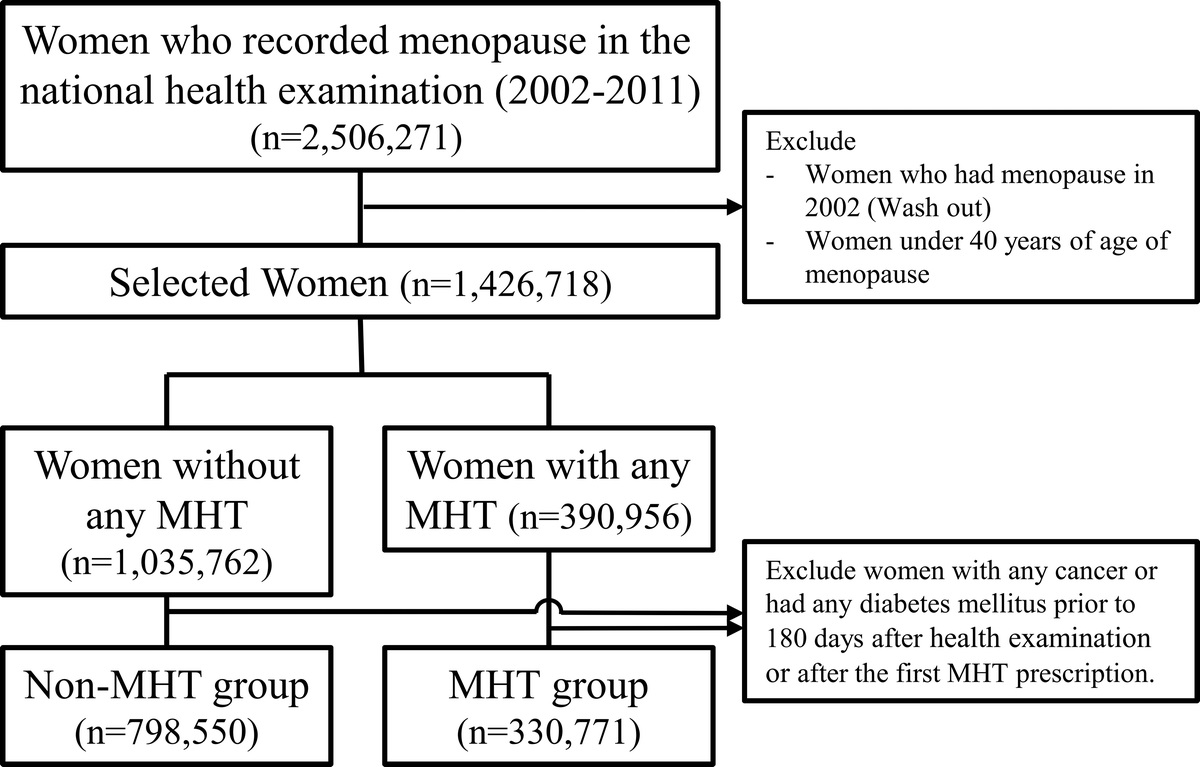
Menopausal hormone therapy and the risk of type 2 diabetes mellitus: Health Insurance Database in South Korea–based retrospective cohort study

Menopausal hormone therapy and the risk of type 2 diabetes mellitus: Health Insurance Database in South Korea–based retrospective cohort study

Source : https://journals.lww.com/menopausejournal/Abstract/9900/Menopausal_hormone_therapy_and_the_risk_of_type_2.163.aspx

ether MHT, which is currently widely prescribed, increases the risk of T2DM. Method We performed a retrospective cohort study based on national health insurance data and cancer screening data from...

Conclusion: MHT, including tibolone, which is currently the most prescribed agent, increased the risk of T2DM; however, CEPM did not increase the risk of T2DM. Only tibolone increased the risk of T2DM in participants older than 70 years.

Profile Image
  • Saved

made a Post

Antidepressant Use to Treat Menopausal Vasomotor Symptoms

It is estimated that close to 40% of the world's 1.2 billion women will be post-menopausal or menopausal by 2030. That's nearly 50 million women and, among those, ~60-70% are likely to suffer from menopausal symptoms. Although hormone therapy (HT) is suggested for curtailing both vasomotor symptoms and mood disturbances, HT treatment continues to be controversial. Aside from breast cancer and cardiovascular concerns, research shows that HT itself might also increase the risk of depression.

In a recent discussion among OB-GYNs and primary care clinicians, about half stated they treat menopausal vasomotor symptoms with antidepressants such as SSRIs, SNRIs, and bupropion. While there was agreement that the treatment may not address all of the symptoms, research has confirmed that antidepressants are effective in treating both depression and vasomotor symptoms shortly before, during, and after menopause.

Which antidepressant(s) do you find most effective for the treatment of menopause? Have you observed whether these are the same antidepressants that work in younger women for premenstrual dysphoric disorder?

Profile Image
  • 3yr
    I would consider using Paroxetine for treatment of VMS if there is contraindications to use of hormonal Rx, risk of thromboembolism and breast cancer with the use of Estrogen, change Show More
  • 3yr
    SSRI’s as a class all work excellently in their relief of VMS of menopause. The longest acting, best studied, and most economical in the class is fluoxetine. A simple daily Show More

Show More Comments

  • Saved

made a Post

Antidepressant Use to Treat Menopausal Vasomotor Symptoms

It is estimated that close to 40% of the world's 1.2 billion women will be post-menopausal or menopausal by 2030. That's nearly 50 million women and, among those, ~60-70% are likely to suffer from menopausal symptoms. Although hormone therapy (HT) is suggested for curtailing both vasomotor symptoms and mood disturbances, HT treatment continues to be controversial. Aside from breast cancer and cardiovascular concerns, research shows that HT itself might also increase the risk of depression.

In a recent discussion among OB-GYNs and primary care clinicians, about half stated they treat menopausal vasomotor symptoms with antidepressants such as SSRIs, SNRIs, and bupropion. While there was agreement that the treatment may not address all of the symptoms, research has confirmed that antidepressants are effective in treating both depression and vasomotor symptoms shortly before, during, and after menopause.

Which antidepressant(s) do you find most effective for the treatment of menopause? Have you observed whether these are the same antidepressants that work in younger women for premenstrual dysphoric disorder?

Profile Image
  • 3yr
    I have treated patient with Venlafaxine ER and have had good effect with VMS as well as the benefit of decreased anxiety and depression. I have even have had Show More
  • 3yr
    I have seen good improvement with fluoxetine and paroxetine. Patients on sertraline had shown some side effects. Seen symptoms improve by over 50% in many cases.

Show More Comments

  • Saved
Association of adverse pregnancy outcomes and multiple gestation with natural menopause: A population-based cohort study

Association of adverse pregnancy outcomes and multiple gestation with natural menopause: A population-based cohort study

Source : https://www.sciencedirect.com/science/article/abs/pii/S0378512222002195

Adverse pregnancy outcomes (APOs) and early menopause are each associated with increased risk of cardiovascular disease (CVD); whether APOs are associated with age at menopause is unclear. We examined the...

Conclusion: In this large cohort study, several statistically significant associations between APOs and age at natural menopause were observed. A deeper understanding of the relationships among APOs, menopause, and CVD is needed to help identify people at higher risk for early menopause and later CVD.

Profile Image
  • Saved
The role of diet in managing menopausal symptoms: A narrative review - PubMed

The role of diet in managing menopausal symptoms: A narrative review - PubMed

Source : https://pubmed.ncbi.nlm.nih.gov/36792552/

Menopause is a natural stage that occurs when women stop menstruating, during which many women experience physical and psychological symptoms that can affect their quality of life and ability to...

Conclusion: Although evidence for the impact of many dietary components on alleviating menopausal sumptoms in limited or inconsistent, research does indicate that a healthy dietary pattern may alleviate a number of symptoms and reduce the risk of chronic disease.

Profile Image
  • Saved
Association between menopausal status and physical function: A systematic review protocol

Association between menopausal status and physical function: A systematic review protocol

Source : https://journals.plos.org/plosone/article?id=10.1371/journal.pone.0280786

Introduction Physical function is considered an important marker of adverse health outcomes. Postmenopausal women seem to have worse physical function, but conflicting results have been reported in the literature. The...

Discussion: Understanding the relationship between physical function in the menopause stages is crucial to plan, propose and implement action strategies with a focus on minimizing and delaying functional decline related to the aging process and menopausal transition.

Profile Image
  • Saved
Interaction of Metals, Menopause and COVID-19-A Review of the Literature

Interaction of Metals, Menopause and COVID-19-A Review of the Literature

Source : https://www.mdpi.com/2079-7737/12/3/350

A growing number of reports point to the possible role of environmental factors in determining the age of onset of menopause. Specific metals, such as mercury, cadmium, arsenic and lead...

Conclusion: There is a need for supplementation, not only with calcium but also with zinc or selenium, in menopausal women to alleviate the clinical symptoms of COVID-19 and the toxic effects of metals. An important topic is the implementation of hormone replacement therapy in postmenopausal women in the era of the COVID-19 pandemic, which...

Profile Image
  • Saved

made a Post

Antidepressant Use to Treat Menopausal Vasomotor Symptoms

It is estimated that close to 40% of the world's 1.2 billion women will be post-menopausal or menopausal by 2030. That's nearly 50 million women and, among those, ~60-70% are likely to suffer from menopausal symptoms. Although hormone therapy (HT) is suggested for curtailing both vasomotor symptoms and mood disturbances, HT treatment continues to be controversial. Aside from breast cancer and cardiovascular concerns, research shows that HT itself might also increase the risk of depression.

In a recent discussion among OB-GYNs and primary care clinicians, about half stated they treat menopausal vasomotor symptoms with antidepressants such as SSRIs, SNRIs, and bupropion. While there was agreement that the treatment may not address all of the symptoms, research has confirmed that antidepressants are effective in treating both depression and vasomotor symptoms shortly before, during, and after menopause.

Which antidepressant(s) do you find most effective for the treatment of menopause? Have you observed whether these are the same antidepressants that work in younger women for premenstrual dysphoric disorder?

Profile Image
  • 3yr
    Brisdelle not only helps my patients with their VMS, but I have found it also helps mood improvement as menopause can be difficult emotionally for many. I have patients take Show More
  • 3yr
    Effexor and Prozac are useful too. Many of the SSRIs and SNRIs are effective by helping to reduce hot flashes, night sweats and mood swings.

Show More Comments

  • Saved
Monoclonal anti-CGRP antibodies in post-menopausal women: a real-life study - Acta Neurologica Belgica

Monoclonal anti-CGRP antibodies in post-menopausal women: a real-life study - Acta Neurologica Belgica

Source : https://link.springer.com/article/10.1007/s13760-023-02190-5

Introduction Migraine usually ameliorates after menopause. However, 10-29% of women still experience migraine attacks after menopause, especially if menopause is surgical. The use of monoclonal antibodies against the calcitonin gene-related...


Discussion: The effectiveness of anti-CGRP monoclonal antibodies is almost the same between women in menopause and women of childbearing age, without appreciable differences between the different antibodies.

Profile Image
  • Saved
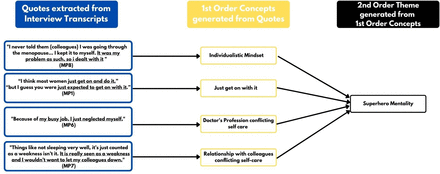
Factors underpinning an improved menopausal experience in the workplace for doctors: a UK-based qualitative study

Factors underpinning an improved menopausal experience in the workplace for doctors: a UK-based qualitative study

Source : https://bmjopen.bmj.com/content/13/3/e060265?rss=1

Objectives A recent British Medical Association survey revealed that very few National Health Service (NHS) doctors felt comfortable discussing symptoms with their managers, and many feel unable to make changes...


Conclusion: This study highlights that doctors’ factors underpinning an IME in the workplace are comparable to other sectors. The potential benefits of an IME for doctors in the NHS are considerable. NHS leaders can address these challenges by using pre-existing training materials and resources for their employees if menopausal doctors are...

Profile Image
  • Saved
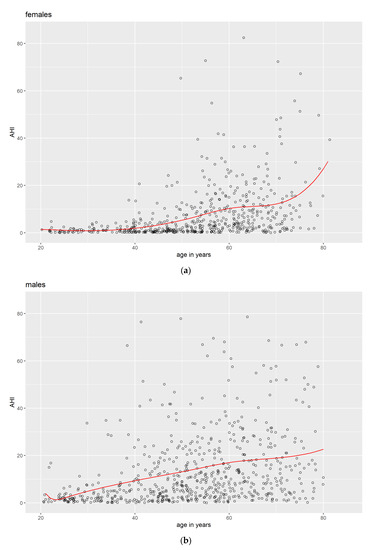
Menopause Is Associated with Obstructive Sleep Apnea in a Population-Based Sample from Mecklenburg-Western Pomerania, Germany

Menopause Is Associated with Obstructive Sleep Apnea in a Population-Based Sample from Mecklenburg-Western Pomerania, Germany

Source : https://www.mdpi.com/2077-0383/12/6/2101/htm

Objective: Menopause is associated with multiple health risks. In several studies, a higher incidence or a higher risk for obstructive sleep apnea (OSA) in post-menopausal than pre-menopausal women is reported....


Conclusion: In our current study, we were able to replicate the findings of two other population-based studies confirming a higher OSA risk in post-menopausal women. We expanded these findings by visualizing this effect using splines. While our study cannot contribute to disentangling the (most likely) hormonal mechanism causing this effect, it...

Profile Image
  • Saved
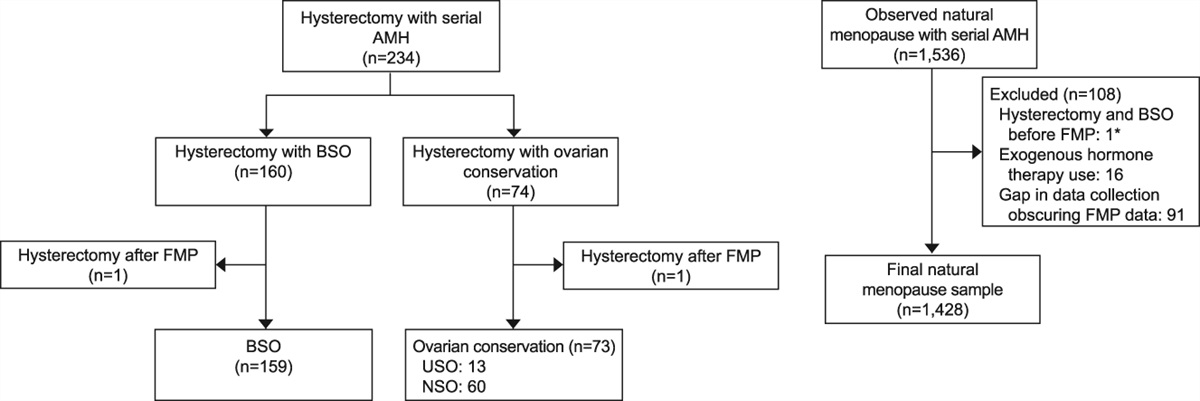
Anti-Müllerian Hormone Level Decline in Patients Undergoing Hysterectomy With and Without Oophorectomy Compared With Natural Menopause

Anti-Müllerian Hormone Level Decline in Patients Undergoing Hysterectomy With and Without Oophorectomy Compared With Natural Menopause

Source : https://journals.lww.com/greenjournal/Abstract/2023/02000/Anti_M_llerian_Hormone_Level_Decline_in_Patients.11.aspx

derwent hysterectomy (159 with bilateral salpingo-oophorectomy [BSO], 13 with one ovary conserved, and 60 with both ovaries conserved) and who had serial AMH measurements were included from SWAN (The Study...


Hysterectomy does not lead to a more rapid decline in AMH levels postoperatively compared with natural menopause. Patients undergoing BSO have a rapid loss of AMH, consistent with complete removal of the ovaries. These data suggest that hysterectomy as currently performed does not compromise ovarian reserve.

Profile Image
  • Saved

Economic Evaluation of Four Treatment Strategies for Postmenopausal Patientswith Osteoporosis and a Recent Fracture in Mainland China: A Cost-Effectiveness Analysis

Source : https://papers.ssrn.com/sol3/papers.cfm?abstract_id=4343743

Preprints with The Lancet is part of SSRN´s First Look, a place where journals identify content of interest prior to publication. Authors have opted in at submission to The Lancet...


Discussion: Stratified treatment based on very high fracture risk is more cost-effective than conventional pills in mainland China. Among the stratified treatments, zoledronate is the optimal option. Would this be similar in the USA?

Profile Image
  • Saved
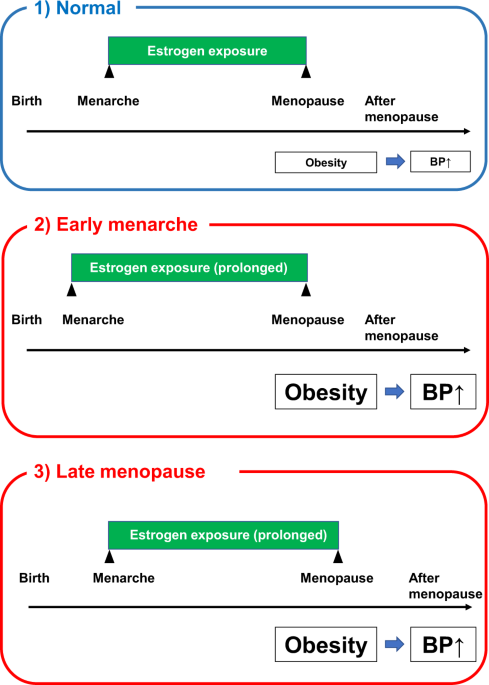
Late age at menopause positively associated with obesity-mediated hypertension - Hypertension Research

Late age at menopause positively associated with obesity-mediated hypertension - Hypertension Research

Source : https://www.nature.com/articles/s41440-023-01237-7

Hypertension Research (2023) Cite this article Menopause is an important process in women's lives. It is characterized by the loss of ovarian activity and permanent cessation of menses and diagnosed...


Conclusion: This study reveals a significant finding that maintaining a healthy body weight may be beneficial in preventing BP elevation after menopause, especially in women experiencing menopause at a late age. Further studies focusing on the associations between age at menopause and metabolic factors such as obesity, glycolipid metabolism,...

Profile Image