


Association between menopause and suicidal ideation in mothers of adolescents: A longitudinal study using data from a population-based cohort
Source : https://www.sciencedirect.com/science/article/pii/S0165032723010340
Midlife suicide among women has attracted increasing research attention. This study aimed to investigate the longitudinal association between menopaus...
Conclusion: Women who have experienced the onset of menopausal transition presented an increased risk of suicidal ideation. Psychosocial interventions to increase social support may be beneficial in preventing mental health inequalities during menopausal transitions.
The Role of Gender Differences and Menopause in Obesity-Related Renal Disease, Renal Inflammation and Lipotoxicity
Source : https://www.mdpi.com/1422-0067/24/16/12984
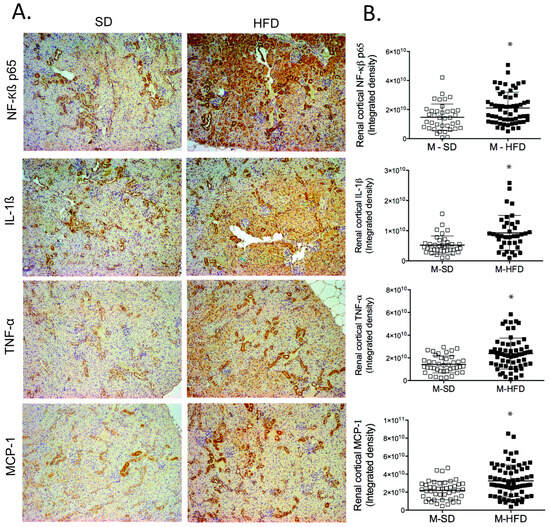
The pathogenesis of obesity-related-renal disease is unknown. Menopause can promote renal disease in obese women, but this interaction is unclear. In a previous study, we observed that obese male and...
Conclusion: Renal inflammation and lipotoxicity may be involved in renal disease in obesity and metabolic syndrome. A more prominent inflammation and lipotoxicity in obese animals after menopause indicated gender differences in obesity-related renal disease.

The Effects of Auricular Acupressure on Menopausal Symptoms, Stress, and Sleep in Postmenopausal Middle-Aged Women: A Randomized Single-Blind Sham-Controlled Trial - PubMed
Source : https://pubmed.ncbi.nlm.nih.gov/37549976/
This study demonstrated that auricular acupressure is effective in improving menopause symptoms, stress, and sleep in postmenopausal middle-aged women. Therefore, auricular acupressure may be a useful nonpharmacologic intervention for alleviating...
Discussion: This study demonstrated that auricular acupressure is effective in improving menopause symptoms, stress, and sleep in postmenopausal middle-aged women. Therefore, auricular acupressure may be a useful nonpharmacologic intervention for alleviating these symptoms in this population.
Analysis of factors related to endometrial cancer in postmenopausal women with endometrial thickening
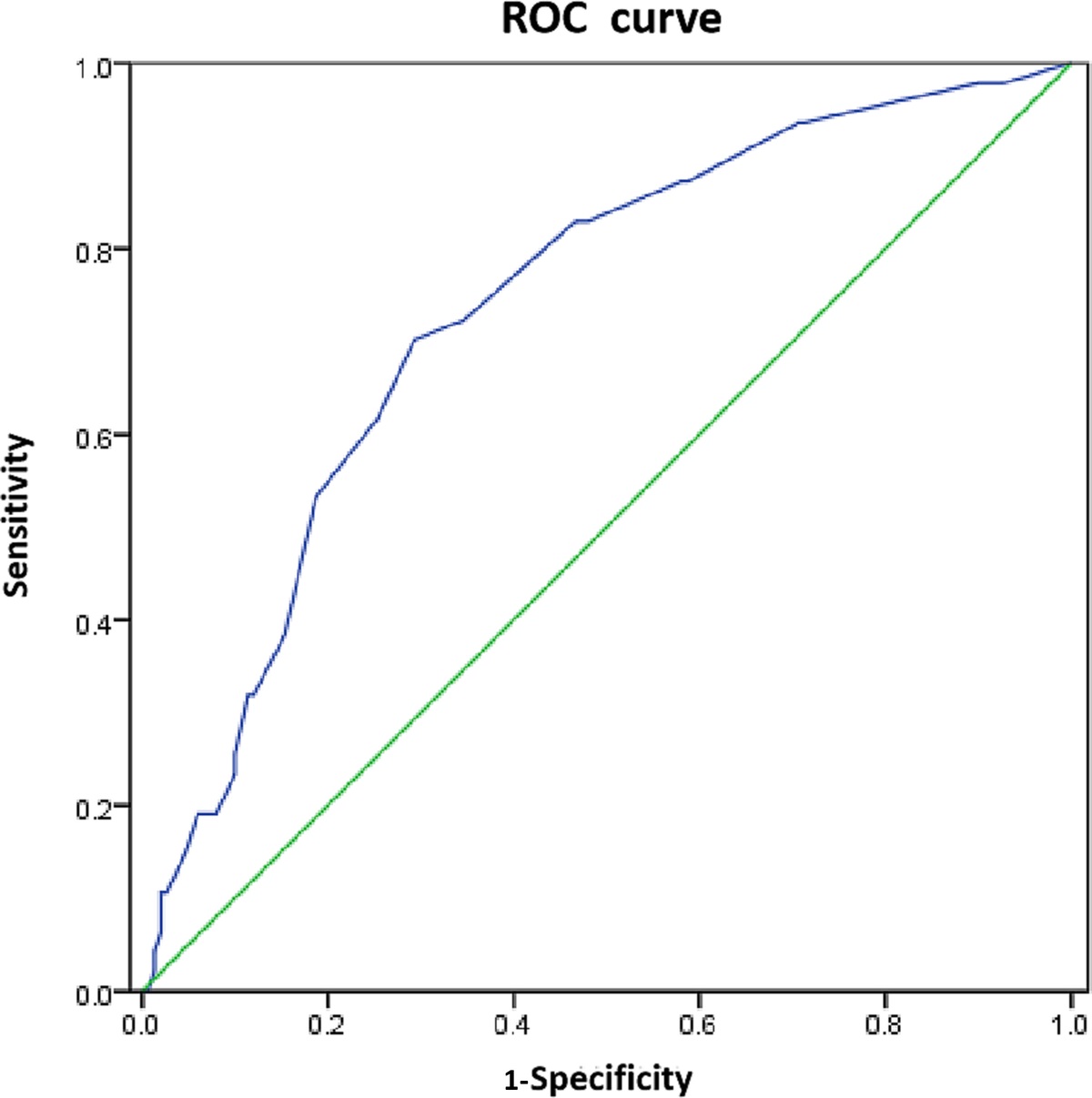
assessment was carried out. Univariate analysis and multiple logistic regression analysis were used to identify the independent contributors to the development of EC. The ability of ET to predict EC...
Conclusion: For postmenopausal women with increased ET and PMB, older age, thicker ET, and polypoid mass-like lesions on transvaginal ultrasound were independent associated factors for EC. An ET greater than 9.5 mm is a threshold for predicting EC. For postmenopausal women with increased ET without PMB, the incidence of endometrial malignancy...

Predictors of osteoporotic fracture in postmenopausal women: a meta-analysis - PubMed
Source : https://pubmed.ncbi.nlm.nih.gov/37543616/
Osteoporosis affects more than 200 million women worldwide, with postmenopausal women being particularly susceptible to this condition and its severe sequelae disproportionately, such as osteoporotic fractures. To date, the current...
Discussion: Menopause age > 50 was possibly a protective factor. The endogenous estrogen exposure was negatively correlated with the risk of all fracture sites combined, as well as hip and vertebral fractures specifically. Therefore, our study confirmed the association between lower lifetime endogenous estrogen exposure and increased...