


Conclusion: In this cohort study, ACEs were associated with EAA among middle-aged adults after controlling for demographics, behavior, and socioeconomic status. These findings of the associations between early life experience and the biological aging process in midlife may contribute to health promotion in a life course perspective.
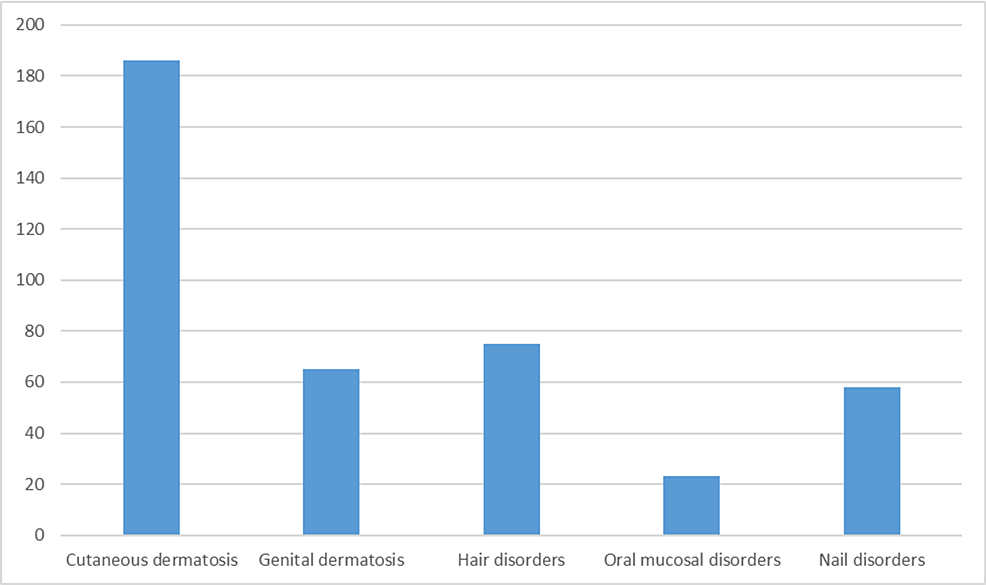
Dermatoses in Postmenopausal Women in a Tertiary Health Care Center of Bihar: A Prospective Cross-Sectional Study
Background Postmenopausal women comprise a very unique population with various dermatological, genital, and oral dermatoses due to the various physiological, age-related, and hormonal changes in this period, which have not...
Discussion: A broader understanding of the diverse dermatological concerns of postmenopausal women would enable dermatologists to be better equipped to identify and treat postmenopausal dermatosis as well as provide better support to women going through this phase of life.
Effects of different physiotherapy modalities on insomnia and depression in perimenopausal, menopausal, and post-menopausal women: a systematic review - BMC Women's Health
Source : https://bmcwomenshealth.biomedcentral.com/articles/10.1186/s12905-023-02515-9
Background Menopause is the time that marks passing 12 months after the last menstruation cycle in women between ages 40-50. Menopausal women often experience depression and insomnia that significantly impact...
Conclusion: Using non-pharmaceutical interventions such as therapeutic and manual physiotherapy have an overall positive impact on reducing insomnia and depression in menopausal women.
Comparison of predictive effect of the dietary inflammatory index and empirically derived food-based dietary inflammatory index on the menopause-specific quality of life and its complications - BMC Women's Health
Source : https://bmcwomenshealth.biomedcentral.com/articles/10.1186/s12905-023-02485-y
Introduction Menopause, defined as the cessation of menstruation for at least 12 months, is one of the important stages of a woman's life cycle. Some hormonal variations occur during the...
Conclusion: Both dietary inflammatory indices appear to be suitable for predicting quality of life, but FDII had slightly more predictive power. It seems that the quality of life and severity of menopausal symptoms may be improved, particularly with regard to sexual symptoms, by following an anti-inflammatory diet.
Menopausal hormone therapy and dementia: nationwide, nested case-control study
Source : https://www.bmj.com/content/381/bmj-2022-072770
Objectives To assess the association between use of menopausal hormone therapy and development of dementia according to type of hormone treatment, duration of use, and age at usage. Design Nationwide,...
Conclusion: Menopausal hormone therapy was positively associated with development of all cause dementia and Alzheimer’s disease, even in women who received treatment at the age of 55 years or younger. The increased rate of dementia was similar between continuous and cyclic treatment.