



Balance in Transition: Unraveling the Link Between Menopause and Vertigo
The onset of menopause, marked by hormonal fluctuations and a decline in estrogen levels, is suggested to be linked to increased susceptibility to vestibular disturbances. Estrogen, beyond its established association...
Because the vestibular system is influenced by hormonal changes during menopause, this effect could potentially contribute to the emergence of vertigo symptoms during this stage of women’s lives.

Influence of Physical Activity Level and Perceived Social Support on Mental Health and Psychological Distress in Women With Menopause Problems
Source : https://pubmed.ncbi.nlm.nih.gov/38712645/
Perceived Social Support (PSS) and Physical Activity (PA) could have an important role in reducing psychological distress in women with problems in the menopausal period. The aim was to analyze...
Dependency relationships were found between the prevalence of depression and physical activity level, anxiety and physical activity level, and self-perceived health with physical activity level.
Interplay Between Diabetes Mellitus and the Occurrence of Osteoarthritis and Associated Conditions in Women of Menopausal Age
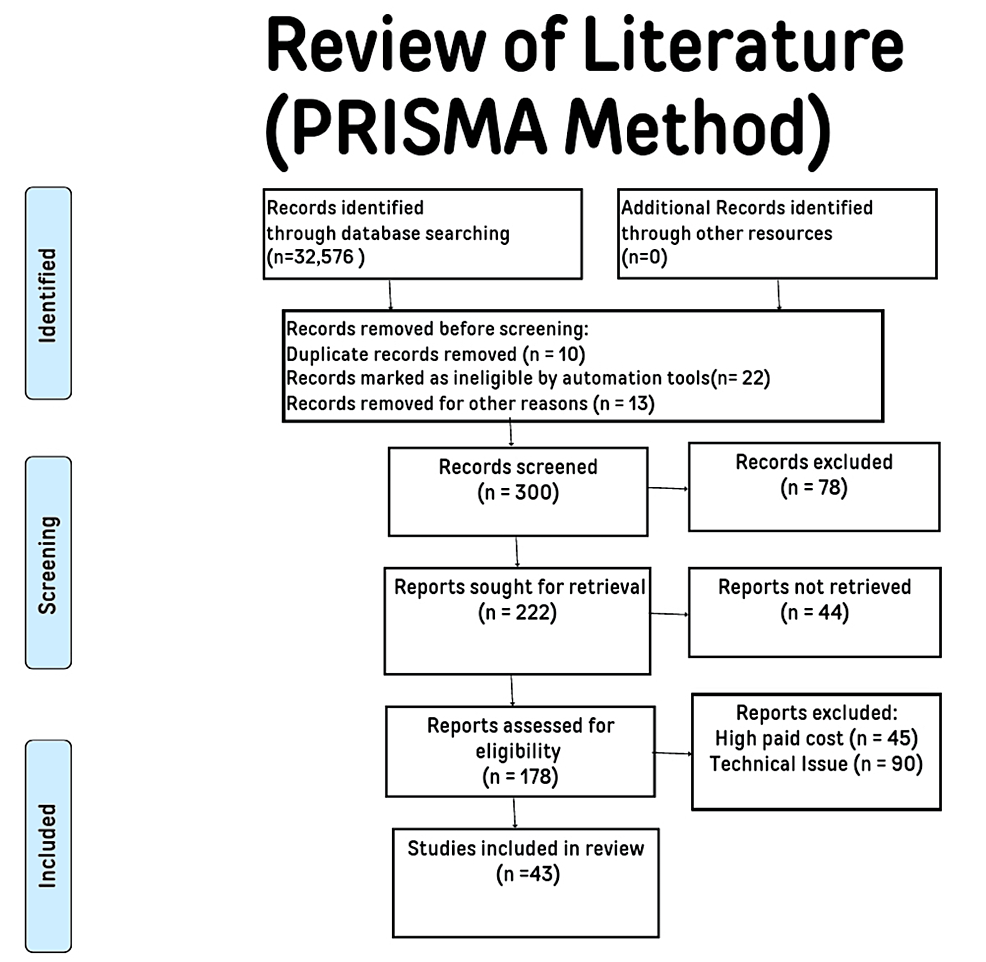
Osteoarthritis (OA) and diabetes mellitus (DM) have long-term deleterious chronic effects and are among the most prevalent chronic disorders. DM and its associated factors, such as hyperglycemia, have a significant...
Regularly screening for osteoarthritis should be implemented for menopausal women with diabetes mellitus and utmost care should be provided by healthcare professionals.
The Impact of Square Dancing on Psychological Well-Being and Life Satisfaction Among Aging Women
Source : https://www.nature.com/articles/s41598-024-61143-x
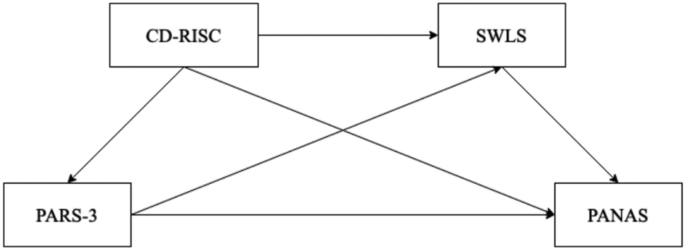
As the most popular sport among middle-aged and elderly women in China, square dancing has both physical and psychological benefits for menopausal women. Previous studies have shown that square dance...
Modeling results showed square dance exercises could positively predict positive affect through the chain-mediating effect of psychological resilience and life satisfaction among menopausal women.

Associations Between Menopause Status, Spinal-Related Musculoskeletal Variables and Gait Speed in Middle-Aged Females: a Short Report
Source : https://pubmed.ncbi.nlm.nih.gov/38682642/
Associations between menopause status, spinal-related musculoskeletal variables and gait speed in middle-aged females: A short report
Study researchers explored the relative contribution of estrogen levels and spinal-related musculoskeletal variables of kyphosis, lordosis, back muscle strength, and endurance to gait speed in 135 health middle-aged women from urban health centers and entertainment districts.