
Dr. Nanette Rowley, General Program Chair for ACOG 2026 (Washington, DC), highlighted strong engagement across sessions on menopause, emergency obstetrics, and perinatal mental health, alongside robust well-being programming. The first-place research award (McClain et al., Henry Ford Health) revealed diagnostic imprecision in intra-amniotic infection, with poor concordance between clinical criteria and placental pathology underscoring the need for standardized protocols. A Penn State study by medical student Arisha Tariq found 45% of THC-exposed neonates required NICU admission, citing prematurity, respiratory distress, and neonatal abstinence syndrome as key concerns.


Patient Background:
Mr. C is a 52-year-old male with a BMI of 37 kg/m² and a 10-year history of obesity with multiple prior attempts at sustained weight loss through calorie restriction and exercise.
Comorbidities include hypertension (amlodipine 10 mg), dyslipidemia (atorvastatin 40 mg), prediabetes (HbA1c 6.2%), and obstructive sleep apnea managed with CPAP. He is a non-smoker. Family history includes paternal myocardial infarction at age 58. He is motivated for pharmacologic intervention and has enrolled in a structured lifestyle program.
Assessment & Diagnosis:
Waist circumference: 116 cm. BP: 138/86 mmHg. Fasting glucose: 108 mg/dL. LDL-C: 118 mg/dL.…read more
He is an appropriate candidate for chronic weight management therapy. Treatment selection was guided by shared decision-making, cardiometabolic risk profile, prior weight-management history, and patient preference.
The care team initiates a once-weekly subcutaneous GLP-1 receptor agonist with gradual dose escalation over 16–20 weeks to improve tolerability.
In the STEP 1 trial (n=1,961), participants treated with semaglutide achieved a mean weight loss of 14.9% vs 2.4% with placebo at 68 weeks (p<0.001).
Common adverse effects discussed with the patient include nausea, vomiting, diarrhea, and constipation, particularly during dose escalation.
- Please provide a minimum of a 3 sentence response.
- 1.Which comorbidities support GLP-1 RA therapy in this patient?
- 2.What counseling strategies help minimize GI adverse effects during GLP-1 RA dose escalation?
-
Mike Shirk1moPatient's bmi over 27 support us of GLP-1. Also pt is prediabetic and GLP-1 should have a great impact on sugars. Furthermore, his Obstructive Show More -
BRETT NILE1mo1: prediabetes is the biggest one, after that it's sleep apnea and CV risk. 2: I usually discuss slow titration and occasionally adding zofran for the symptoms. Will also Show More
Show More Comments
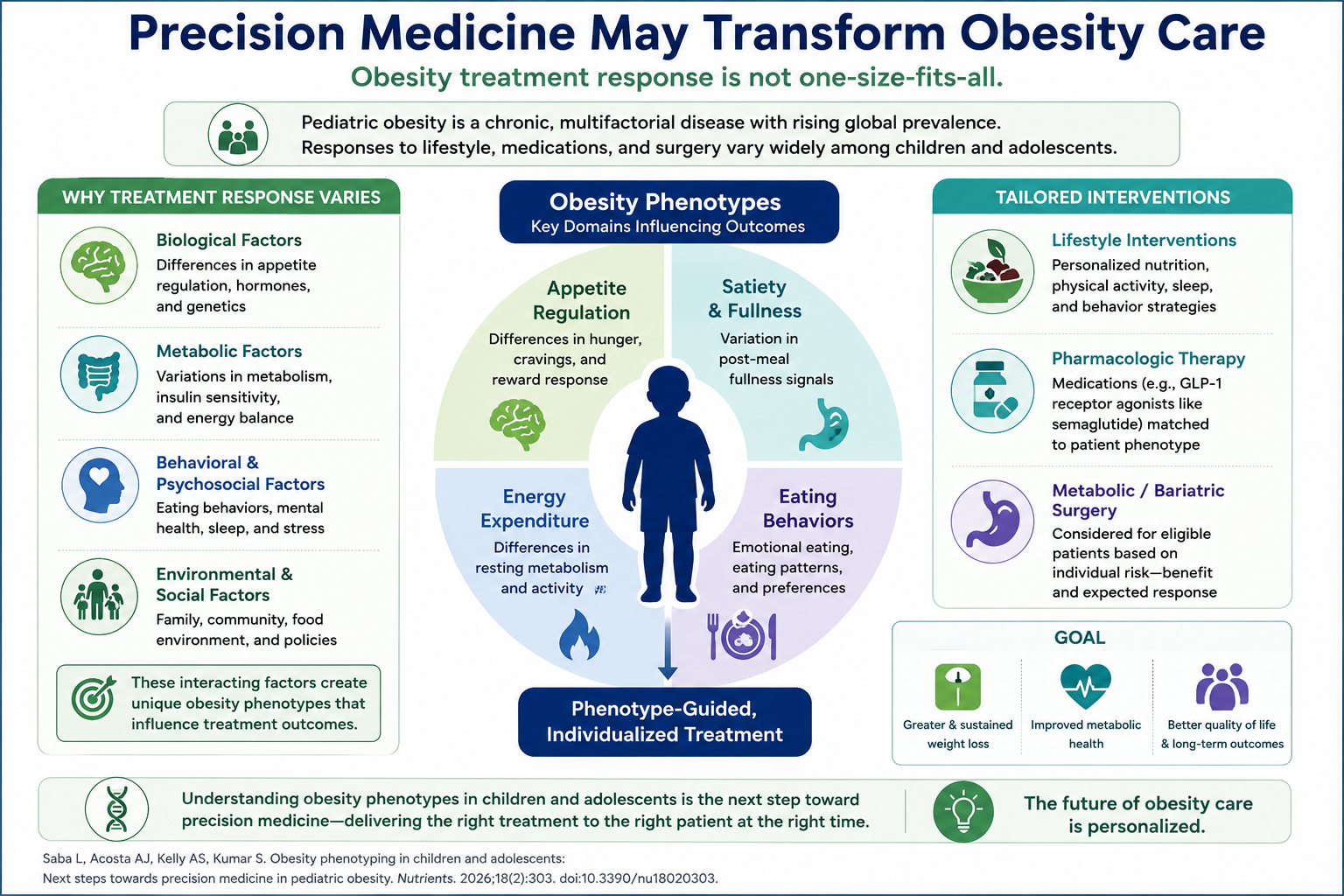
Obesity is increasingly recognized as a chronic inflammatory condition associated with altered metabolic signaling, insulin resistance, and systemic health complications. Growing evidence supports the importance of early, sustained approaches to long-term weight management.
-
SHABNAM SACHDEVA1moObesity is a multifactorial disease with systemic inflammation as one of its core defects. -
SACHINKUMAR PANCHAL1moChronic inflammation continues to shape the clinical burden of Obesity. Emerging evidence links adipose tissue dysfunction with systemic metabolic dysregulation, insulin resistance, and multi-organ complications. As a result, obesity is Show More
Show More Comments
-
BRETT NILE1moyes it will, We have crossed the Rubicon on obesity treatment. We have new tools and now it's time to learn how to use them. -
Temeki Hill1moObesity care should be personalized anyways for each individual person whether child, teenager, adult or the elderly. As stated above many factors influence obesity, social factors are huge because Show More
Show More Comments
Longitudinal analysis of short-chain fatty acid profiles in stool of sleeve gastrectomy patients. - PubMed
Source : https://pubmed.ncbi.nlm.nih.gov/42276984
Discover how sleeve gastrectomy affects gut microbiota, altering SCFA profiles over 12 months and influencing metabolic and psychological outcomes.
Sleeve gastrectomy alters faecal SCFA profiles over 12 months, with decreased major SCFAs and increased branched SCFAs, suggesting gut microbiota shifts.