

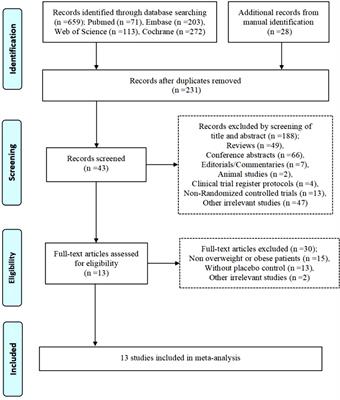
Efficacy and safety of subcutaneous semaglutide in adults with overweight or obese: a subgroup meta-analysis of randomized controlled trials
Source : https://www.frontiersin.org/articles/10.3389/fendo.2023.1132004/full
IntroductionSemaglutide shows significant performance on weight reduction in several clinical trials. However, it is not clear what kind of administration frequency or dosage will achieve better effects.
Discussion: There were four main findings in our analysis as followed. Firstly, subcutaneous semaglutide showed significant weight loss and cardiometabolic benefits, as well as the improvements in the quality of life in the adults with overweight or obese. Secondly, subcutaneous semaglutide was relatively safe with the consideration of...
Share




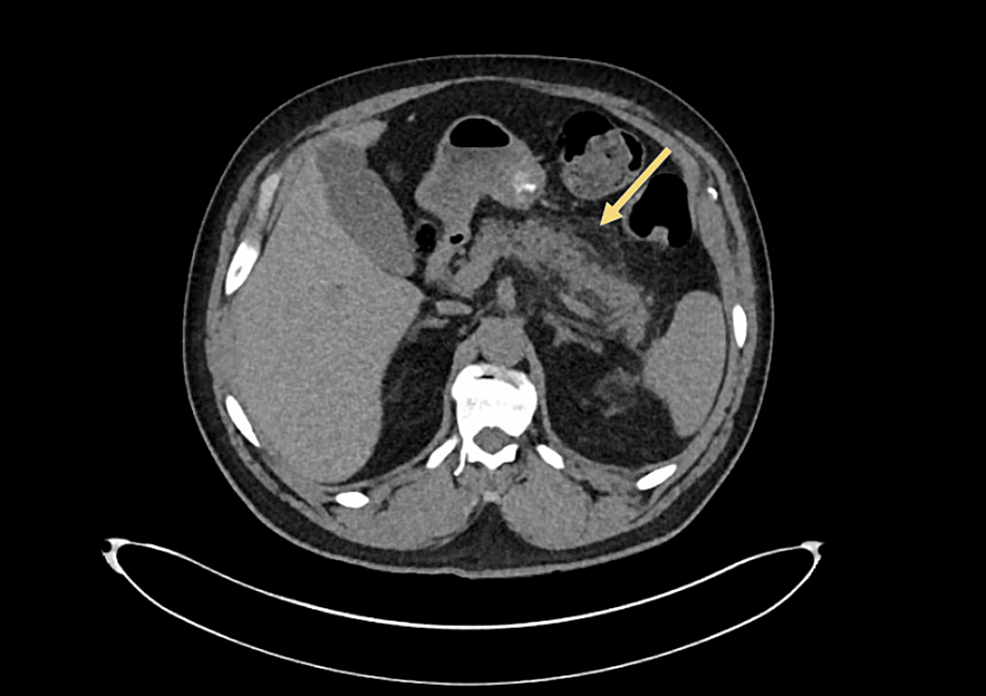
First Reported Case of Dulaglutide-Induced Acute Pancreatitis With Normal Serum Lipase Level
Dulaglutide is being extensively used for non-insulin-dependent diabetes mellitus and congestive heart failure and is also being used as an off-label weight loss aid. Due to its wide use, we...
Conclusions: This case emphasizes the importance of monitoring patients on GLP1A for new-onset gastrointestinal complications including acute pancreatitis that may have an atypical presentation. Clinicians should avoid solely relying on serum lipase and maintain a low threshold for abdominal imaging in such patients to avoid missing a...
Share

Treatment with GLP-1 receptor agonists is associated with significant weight loss and favorable headache outcomes in idiopathic intracranial hypertension - The Journal of Headache and Pain
Source : https://thejournalofheadacheandpain.biomedcentral.com/articles/10.1186/s10194-023-01631-z
Background In idiopathic intracranial hypertension (IIH), sustained weight loss is the main pillar in modifying disease course, whereby glucagon-like peptide-1 receptor agonists (GLP-1-RAs) could present an attractive treatment option. Methods...
Conclusions: This open-label, single-center pilot study suggests that GLP-1-RAs are an effective and safe treatment option for achieving significant weight loss with a favorable effect on headache, leading to reduced acetazolamide dosage in pwIIH.
Share

Emerging Role of GLP-1 Agonists in Obesity: A Comprehensive Review of Randomised Controlled Trials - PubMed
Source : https://pubmed.ncbi.nlm.nih.gov/37445623/
Obesity is a chronic disease with high prevalence and associated comorbidities, making it a growing global concern. These comorbidities include type 2 diabetes, hypertension, ventilatory dysfunction, arthrosis, venous and lymphatic...
Relevance: Our aim is to emphasize the active role and main outcomes of GLP-1 agonists in promoting weight loss, as well as in improving hyperglycemia, insulin sensitivity, blood pressure, cardio-metabolic, and renal protection. We highlight the pleiotropic effects of these medications, along with their indications, contraindications, and...
Share

A model-based approach to predict individual weight loss with semaglutide in people with overweight or obesity - PubMed
Source : https://pubmed.ncbi.nlm.nih.gov/37424165/
An exposure-response model has been established that quantitatively describes the relationship between systemic semaglutide exposure and weight loss and predicts weight-loss trajectories for people with overweight or obesity who are...
Conclusion: An exposure-response model has been established that quantitatively describes the relationship between systemic semaglutide exposure and weight loss and predicts weight-loss trajectories for people with overweight or obesity who are receiving semaglutide doses up to 2.4 mg once weekly.
Share