
Obesity Connect
Profile Image
  • Saved
Tackling obesity and weight loss

The prevalence of obesity is expected to reach 49% by 2023, and this chronic, relapsing disease is linked to comorbidities, including T2DM, dyslipidemia, hypertension, CAD, stroke, and certain cancers. The total financial costs of chronic conditions linked to obesity are estimated at $1.71 trillion. The effective weight management of patients with obesity is necessary to optimize quality of life, minimize medical and financial costs, and decrease morbidity and mortality.

Various weight-loss interventions have been developed, including diet/exercise lifestyle interventions; antiobesity medications (AOMs); surgical interventions, and endoscopic interventions. AOMs are effective and improve quality of life and decrease the risk of weight-related comorbidities. Nevertheless, AOMs demonstrate a wide variation in the percentage of weight loss, between 5% and 12%, per the results of clinical trials.

Five FDA-approved AOMs are semaglutide, liraglutide, orlistat, phentermine plus topiramate, and naltrexone plus bupropion. These drugs are indicated for long-term use in patients with a BMI ≥ 30 without weight-related comorbidities and a BMI ≥ 27 in those with weight-related comorbidities.

Are you discussing anti-obesity medications with your patients more proactively? Please share your current comfort in prescribing anti-obesity medications.

Profile Image
  • 3yr
    Yes, many patients are requesting medications for weight loss. Ozempic, Mounjaro, Wegovy. I am comfortable discussing and prescribing.
  • 3yr
    now more than ever, with success in GLP-1's, there are ever more awareness of the options, and more and more patients requesting rx for wt loss, it makes it easier Show More

Show More Comments

  • Saved

Editorial: Incretin agonists in the treatment of obesity

Source : https://www.frontiersin.org/articles/10.3389/fendo.2023.1265826/full

Obesity has emerged as a critical global public health concern over the past decade.Studies have demonstrated that even a modest weight reduction significantly decreases the risk of developing obesity-related complications...

Conclusions: Overall, the escalating prevalence of obesity presents a pressing global health challenge. The articles presented with the Research Topic highlight the crucial role of various incretin agonists in weight reduction and improvement of cardiometabolic profiles. Nevertheless, ongoing research is vital to refine and expand the arsenal...

Profile Image
  • Saved
Effect of semaglutide on major adverse cardiovascular events by baseline kidney parameters in participants with type 2 diabetes and at high risk of cardiovascular disease: SUSTAIN 6 and PIONEER 6 post hoc pooled analysis - Cardiovascular Diabetology

Effect of semaglutide on major adverse cardiovascular events by baseline kidney parameters in participants with type 2 diabetes and at high risk of cardiovascular disease: SUSTAIN 6 and PIONEER 6 post hoc pooled analysis - Cardiovascular Diabetology

Source : https://cardiab.biomedcentral.com/articles/10.1186/s12933-023-01949-7

Background Semaglutide is a glucose-lowering treatment for type 2 diabetes (T2D) with demonstrated cardiovascular benefits; semaglutide may also have kidney-protective effects. This post hoc analysis investigated the association between major...

Conclusions: MACE risk was greater for participants with kidney impairment or damage than for those without. Semaglutide consistently reduced MACE risk across eGFR and UACR subgroups, indicating that semaglutide provides cardiovascular benefits in people with T2D and at high cardiovascular risk across a broad spectrum of kidney function and...

Profile Image
  • Saved
The role of weight control in the management of type 2 diabetes mellitus: Perspectives on semaglutide - PubMed

The role of weight control in the management of type 2 diabetes mellitus: Perspectives on semaglutide - PubMed

Source : https://pubmed.ncbi.nlm.nih.gov/37591343/

Glucagon-like peptide-1 receptor agonists (GLP-1 RAs) are widely used to address multiple aspects of type 2 diabetes mellitus (T2DM) management, including glycaemic control, weight loss, and cardiovascular risk reduction. Semaglutide,...

Conclusions/Relevance: Thus, semaglutide offers a well-established therapeutic option that aligns well with guideline recommendations for T2DM management, emphasizing the high importance of weight control and amelioration of other cardiometabolic risk factors.

Profile Image
  • Saved
Weight loss and side-effects of liraglutide and lixisenatide in obesity and type 2 diabetes mellitus - PubMed

Weight loss and side-effects of liraglutide and lixisenatide in obesity and type 2 diabetes mellitus - PubMed

Source : https://pubmed.ncbi.nlm.nih.gov/37541792/

The LiRa_NL group showed the most weight loss, although the discontinuation rate was high. Most side-effects occurred at 1-2 months. When prescribing GLP-1 RA, education concerning side-effects and discontinuation is...

Conclusions: The LiRa_NL group showed the most weight loss, although the discontinuation rate was high. Most side-effects occurred at 1–2 months. When prescribing GLP-1 RA, education concerning side-effects and discontinuation is needed to enhance treatment adherence.

Profile Image
  • Saved
Semaglutide and cancer: A systematic review and meta-analysis

Semaglutide and cancer: A systematic review and meta-analysis

Source : https://www.sciencedirect.com/science/article/abs/pii/S1871402123001303?via=ihub

French national health care insurance system database has suggested 1-3 years use of glucagon like peptide-1 receptor agonists (GLP1RA) (exenatide, li...

Conclusion: Semaglutide use in RCTs and real-world studies was not associated with an increased risk of any types of cancer, and this conclusion is supported by a high grade of evidence.

Profile Image
  • Saved
Incretin Analogs for Weight Management in Adults Without Diabetes - PubMed

Incretin Analogs for Weight Management in Adults Without Diabetes - PubMed

Source : https://pubmed.ncbi.nlm.nih.gov/37522468/

All incretin analogs in this review are superior to placebo when used for weight management in adults without diabetes.

Conclusions: All incretin analogs in this review are superior to placebo when used for weight management in adults without diabetes.

Profile Image
  • Saved

Conclusions/Relevance: Discontinuation of Ozempic should be considered prior to general anesthesia due to gastrointestinal side effects including delayed gastric emptying. As the popularity of Ozempic grows, facial plastic surgeons must be aware of both the impact on facial appearance and perioperative consideration.

Profile Image
  • Saved
Engineering a potent and long-acting GLP-1/Y2 receptor dual agonist as a multi-agonist therapy for diabetes and obesity

Engineering a potent and long-acting GLP-1/Y2 receptor dual agonist as a multi-agonist therapy for diabetes and obesity

Source : https://www.sciencedirect.com/science/article/abs/pii/S0196978123001365?via=ihub

Novel dual agonists for the glucagon-like peptide-1 (GLP-1) and Y2 receptor hold the potential for enhanced efficacy over GLP-1 receptor (GLP-1R) agon...

Conclusions/Relevance: These results indicate the potential of developing xGLP/PYY-6 as an antiobesity, lipid regulation, antisteatotic, and antidiabetic agent.

Profile Image
  • Saved
Pediatric Obesity: Complications and Current Day Management - PubMed

Pediatric Obesity: Complications and Current Day Management - PubMed

Source : https://pubmed.ncbi.nlm.nih.gov/37511966/

Obesity affects approximately 1 in 5 youth globally and increases the risk of complications during adolescence and young adulthood, including type 2 diabetes, dyslipidemia, hypertension, non-alcoholic fatty liver disease, obstructive...

Conclusions/Relevance: Once identified, pediatric obesity should always be managed with lifestyle modification. However, adolescents with obesity may also benefit from anti-obesity medications (AOM), several of which have been approved for use in adolescents by the US Food and Drug Administration, including liraglutide,...

Profile Image
  • Saved
The relationship between the use of GLP-1 receptor agonists and the incidence of respiratory illness: a meta-analysis of randomized controlled trials - Diabetology & Metabolic Syndrome

The relationship between the use of GLP-1 receptor agonists and the incidence of respiratory illness: a meta-analysis of randomized controlled trials - Diabetology & Metabolic Syndrome

Source : https://dmsjournal.biomedcentral.com/articles/10.1186/s13098-023-01118-6

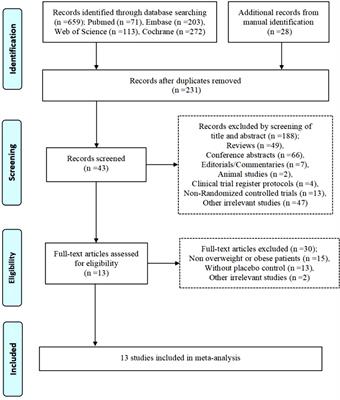
Aim We aimed to assess the association between the use of Glucagon-like peptide-1 receptor agonists and the risk of 12 respiratory diseases in patients with type 2 diabetes, obesity, or...

Conclusion: In conclusion, GLP-1RAs were linked to a lower risk of overall respiratory diseases, especially Pulmonary edema and Bronchitis. In the future, physicians should pay attention to the relationship between GLP-1 RA and the risk of respiratory diseases and evaluate the efficacy of GLP-1RAs in the primary and secondary prevention of...

Profile Image
  • Saved
Influence of semaglutide use on the presence of residual gastric solids on gastric ultrasound: a prospective observational study in volunteers without obesity recently started on semaglutide - Canadian Journal of Anesthesia/Journal canadien d'anesthésie

Influence of semaglutide use on the presence of residual gastric solids on gastric ultrasound: a prospective observational study in volunteers without obesity recently started on semaglutide - Canadian Journal of Anesthesia/Journal canadien d'anesthésie

Source : https://link.springer.com/article/10.1007/s12630-023-02549-5

Purpose Glucagon-like peptide-1 (GLP-1) receptor agonists (GLP-1RAs) have become increasingly popular as both diabetic and weight loss therapies. One effect of this class of medication is delayed gastric emptying, which...

Conclusions: This study provides preliminary evidence that GLP-1RAs may affect gastric emptying and residual gastric contents following an overnight fast and two hours after clear liquids, which may have implications for aspiration risk during anesthetic care.

Profile Image
  • Saved
Efficacy and safety of subcutaneous semaglutide in adults with overweight or obese: a subgroup meta-analysis of randomized controlled trials

Efficacy and safety of subcutaneous semaglutide in adults with overweight or obese: a subgroup meta-analysis of randomized controlled trials

Source : https://www.frontiersin.org/articles/10.3389/fendo.2023.1132004/full

IntroductionSemaglutide shows significant performance on weight reduction in several clinical trials. However, it is not clear what kind of administration frequency or dosage will achieve better effects.

Discussion: There were four main findings in our analysis as followed. Firstly, subcutaneous semaglutide showed significant weight loss and cardiometabolic benefits, as well as the improvements in the quality of life in the adults with overweight or obese. Secondly, subcutaneous semaglutide was relatively safe with the consideration of...

Profile Image
  • Saved
First Reported Case of Dulaglutide-Induced Acute Pancreatitis With Normal Serum Lipase Level

First Reported Case of Dulaglutide-Induced Acute Pancreatitis With Normal Serum Lipase Level

Source : https://www.cureus.com/articles/136152-first-reported-case-of-dulaglutide-induced-acute-pancreatitis-with-normal-serum-lipase-level

Dulaglutide is being extensively used for non-insulin-dependent diabetes mellitus and congestive heart failure and is also being used as an off-label weight loss aid. Due to its wide use, we...

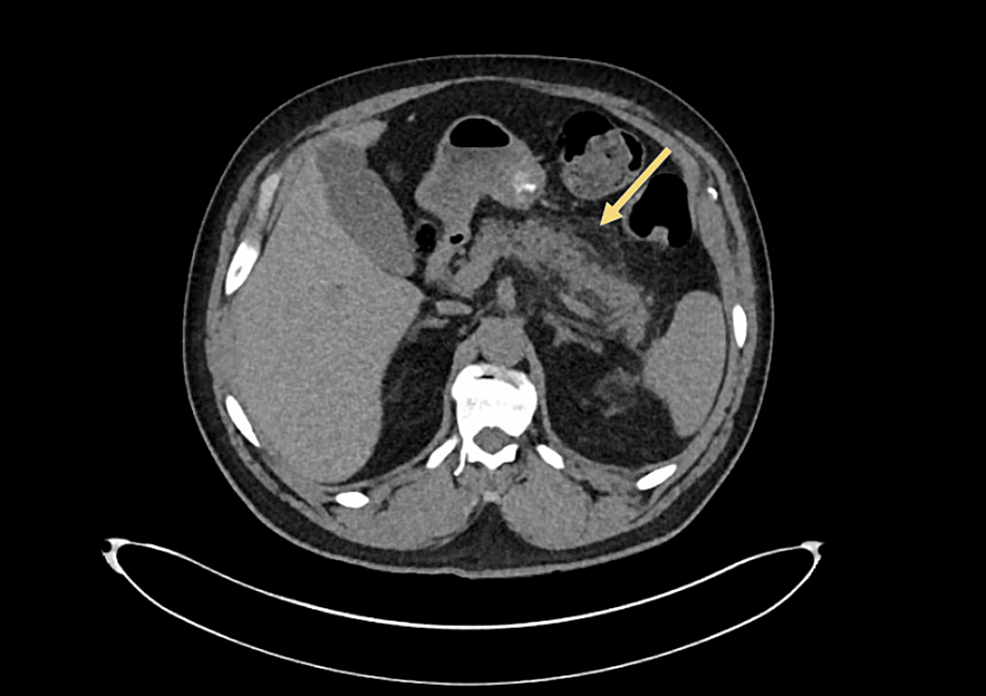
Conclusions: This case emphasizes the importance of monitoring patients on GLP1A for new-onset gastrointestinal complications including acute pancreatitis that may have an atypical presentation. Clinicians should avoid solely relying on serum lipase and maintain a low threshold for abdominal imaging in such patients to avoid missing a...

Profile Image
  • Saved
Treatment with GLP-1 receptor agonists is associated with significant weight loss and favorable headache outcomes in idiopathic intracranial hypertension - The Journal of Headache and Pain

Treatment with GLP-1 receptor agonists is associated with significant weight loss and favorable headache outcomes in idiopathic intracranial hypertension - The Journal of Headache and Pain

Source : https://thejournalofheadacheandpain.biomedcentral.com/articles/10.1186/s10194-023-01631-z

Background In idiopathic intracranial hypertension (IIH), sustained weight loss is the main pillar in modifying disease course, whereby glucagon-like peptide-1 receptor agonists (GLP-1-RAs) could present an attractive treatment option. Methods...

Conclusions: This open-label, single-center pilot study suggests that GLP-1-RAs are an effective and safe treatment option for achieving significant weight loss with a favorable effect on headache, leading to reduced acetazolamide dosage in pwIIH.

Profile Image
  • Saved
Emerging Role of GLP-1 Agonists in Obesity: A Comprehensive Review of Randomised Controlled Trials - PubMed

Emerging Role of GLP-1 Agonists in Obesity: A Comprehensive Review of Randomised Controlled Trials - PubMed

Source : https://pubmed.ncbi.nlm.nih.gov/37445623/

Obesity is a chronic disease with high prevalence and associated comorbidities, making it a growing global concern. These comorbidities include type 2 diabetes, hypertension, ventilatory dysfunction, arthrosis, venous and lymphatic...

Relevance: Our aim is to emphasize the active role and main outcomes of GLP-1 agonists in promoting weight loss, as well as in improving hyperglycemia, insulin sensitivity, blood pressure, cardio-metabolic, and renal protection. We highlight the pleiotropic effects of these medications, along with their indications, contraindications, and...

Profile Image
  • Saved
A model-based approach to predict individual weight loss with semaglutide in people with overweight or obesity - PubMed

A model-based approach to predict individual weight loss with semaglutide in people with overweight or obesity - PubMed

Source : https://pubmed.ncbi.nlm.nih.gov/37424165/

An exposure-response model has been established that quantitatively describes the relationship between systemic semaglutide exposure and weight loss and predicts weight-loss trajectories for people with overweight or obesity who are...

Conclusion: An exposure-response model has been established that quantitatively describes the relationship between systemic semaglutide exposure and weight loss and predicts weight-loss trajectories for people with overweight or obesity who are receiving semaglutide doses up to 2.4 mg once weekly.

Profile Image
  • Saved
Evaluating the Efficacy and Pharmacoeconomics of Semaglutide and Tirzepatide in the Setting of Obesity

Evaluating the Efficacy and Pharmacoeconomics of Semaglutide and Tirzepatide in the Setting of Obesity

Source : https://journals.lww.com/americantherapeutics/Abstract/2023/08000/Evaluating_the_Efficacy_and_Pharmacoeconomics_of.5.aspx

nd the financial impact it may have on overall health care costs. This article explores the efficacy and pharmacoeconomics of incretin mimetics, semaglutide and tirzepatide, in the setting of obesity....

Conclusions: Obesity is associated with burdensome health complications and costs. Semaglutide and tirzepatide are effective drug options for the management of obesity. The cost of these medications will no doubt present a challenge to the total health care expenditures, although the cost–benefit ratio may ultimately be favorable.

Profile Image
  • Saved
Pharmacologic Treatment of Obesity in Reproductive Aged Women - Current Obstetrics and Gynecology Reports

Pharmacologic Treatment of Obesity in Reproductive Aged Women - Current Obstetrics and Gynecology Reports

Source : https://link.springer.com/article/10.1007/s13669-023-00350-1

Purpose of Review This report will review existing literature on weight loss outcomes for various anti-obesity medications (AOMs) as well as their effects on human fertility, pregnancy, or breastfeeding. Recent...

Summary: As the prevalence of obesity rises, AOMs have proven to be effective tools for weight loss in the general adult population. When prescribing AOMs to reproductive-aged women, providers should consider both the cardiometabolic benefits of these medications and potential effects that AOMs might have on hormonal contraception, pregnancy,...

Profile Image
  • Saved

Conclusions: This study demonstrates a significant and growing public interest in “Ozempic” and related GLP-1 agonists. As the use of GLP-1 agonists for weight loss becomes more prevalent, plastic surgeons, particularly in the aesthetic setting, must be prepared for the downstream implications. Increased awareness, understanding, and...

Profile Image