micro-community-banner
Profile Image
  • Saved

Did you know? Obesity is a chronic, relapsing neurobiological disease driven by dysregulation of appetite-regulating hormones and energy homeostasis. GLP-1 receptor agonism reduces caloric intake centrally and slows gastric emptying. In the STEP 1 trial, once-weekly semaglutide achieved sustained weight reductions with many patients losing more than 15% of body weight, along with meaningful improvements in cardiometabolic risk factors.

How has your framing of obesity as a chronic disease changed how you discuss treatment goals with patients?

 NCCN Guidelines

How has your framing of obesity as a chronic disease changed how you discuss treatment goals with patients?

Profile Image
  • 5d
    the framing as chronic disease helps to frame treatment for a lifestyle and willpower issues to a genetic and metabolic condition that will require lifelong treatment. Also helps Show More
  • 1w
    Obesity is not necessarily a choice, people struggle their whole lives despite their best efforts. This is a chronic disease and the approach should be the same as it is Show More

Show More Comments

  • Saved
Profile Image
  • 5d
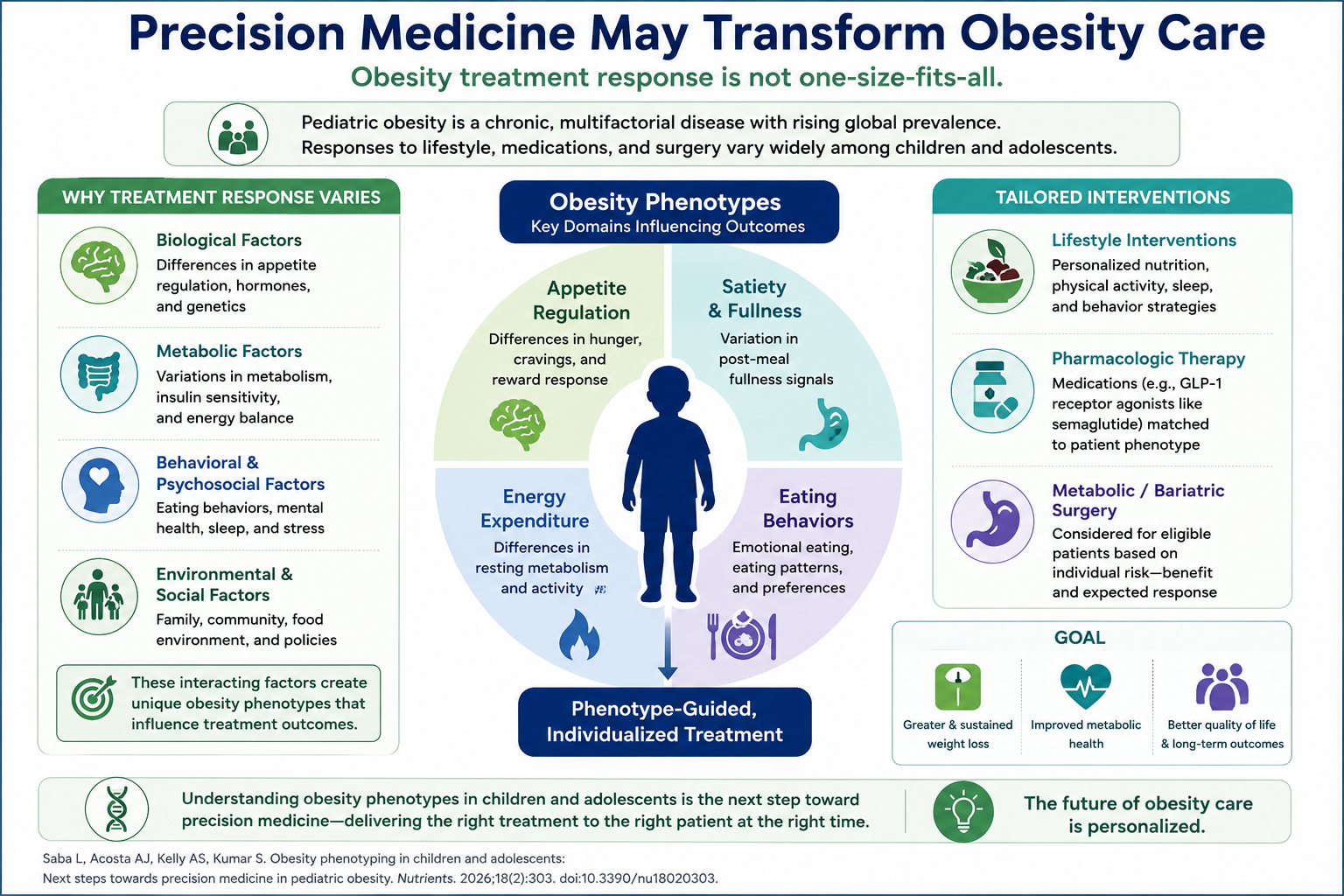
    yes it will, We have crossed the Rubicon on obesity treatment. We have new tools and now it's time to learn how to use them.
  • 1w
    Obesity care should be personalized anyways for each individual person whether child, teenager, adult or the elderly. As stated above many factors influence obesity, social factors are huge because Show More

Show More Comments

  • Saved
Longitudinal analysis of short-chain fatty acid profiles in stool of sleeve gastrectomy patients. - PubMed

Longitudinal analysis of short-chain fatty acid profiles in stool of sleeve gastrectomy patients. - PubMed

Source : https://pubmed.ncbi.nlm.nih.gov/42276984

Discover how sleeve gastrectomy affects gut microbiota, altering SCFA profiles over 12 months and influencing metabolic and psychological outcomes.


Sleeve gastrectomy alters faecal SCFA profiles over 12 months, with decreased major SCFAs and increased branched SCFAs, suggesting gut microbiota shifts.

Profile Image
  • Saved
How do safety and tolerability influence obesity treatment decisions?

Obesity management has evolved with newer pharmacologic therapies demonstrating meaningful efficacy, yet safety and tolerability remain central to treatment selection. Adverse effects, patient preferences, and long-term adherence all influence whether a treatment is started, continued, or switched in routine practice.

Gastrointestinal adverse events are among the most commonly reported considerations with current pharmacologic therapies for obesity, including nausea, vomiting, and diarrhea. These effects are often mild to moderate and more frequent during dose escalation, but they can still affect treatment persistence. Safety profiles vary across therapeutic classes, and clinicians must also consider less common adverse events, such as gastrointestinal complications or gallbladder-related events, as well as class-specific considerations that may require monitoring.

Patient factors should guide therapy choice, including comorbidities, prior treatment experience, weight-loss goals, and the likelihood of sustained adherence. In practice, the most appropriate option is often the one that best balances efficacy with an acceptable safety profile for the individual patient.

How do you weigh efficacy versus tolerability when selecting pharmacologic therapies for obesity? What patient factors most influence your decision to initiate or switch treatment in obesity management?

Profile Image
  • 2w
    My patients are surprisingly willing to deal with injections and substantial GI symptoms if it leads to consistent weight loss. Most of these patients would not be willing Show More
  • 2w
    I have read about the treatment of obesity with the new Glp1 drugs. I think it is mandatory that physicians discuss the possible side effects of these drugs with Show More

Show More Comments

  • Saved
Physical activity and anthropometric factors as predictors for postural stability in children - PubMed

Physical activity and anthropometric factors as predictors for postural stability in children - PubMed

Source : https://pubmed.ncbi.nlm.nih.gov/42203825/

To determine whether anthropometric factors and different domains of physical activity are associated with postural stability outcomes in children. Ninety-five children aged 7-18 years were enrolled in a cross-sectional observational...

Cross-sectional study found that postural stability in children is influenced by age, physical activity, physical education performance, and body weight, with overweight/obesity associated with poorer balance measures and sports participation potentially mitigating some deficits.

Profile Image