


A Systematic Review of Persistent Clinical Features After SARS-CoV-2 in the Pediatric Population
Source : https://doi.org/10.1542/peds.2022-060351
CONTEXT. Long-term health effects after coronavirus disease 2019 (COVID-19) have been increasingly reported but their prevalence and significance in the pediatric population remains uncertain.OBJECTIVE. To present the prevalence and characteristics...
Conclusions: Persistent clinical features beyond 3 months among children and adolescents with proven COVID-19 are common and the symptom spectrum is wide. High-quality, prospective studies with proper controls are necessary in the future.

Cleavage of cFLIP restrains cell death during viral infection and tissue injury and favors tissue repair - PubMed
Source : https://pubmed.ncbi.nlm.nih.gov/37494451/
Cell death coordinates repair programs following pathogen attack and tissue injury. However, aberrant cell death can interfere with such programs and cause organ failure. Cellular FLICE-like inhibitory protein (cFLIP) is...
Mechanistically, the cell death–sensitizing effect of the D377A mutation depends on glutamine-469. These results reveal a crucial role for cFLIP cleavage in controlling the amplitude of cell death responses occurring upon tissue stress to ensure the execution of repair programs.

Effects of Different Anticoagulation Doses on Moderate-to-Severe COVID-19 Pneumonia With Hypoxemia
Background COVID-19 is a prothrombotic disease that can cause thromboembolism and microthrombi, which could lead to multiorgan failure and death. Since COVID-19 is a relatively new disease, there are guidelines...
Conclusions: Different doses of anticoagulation did not show any statistically significant relationship between the need for mechanical ventilation and mortality. More patients on high-flow oxygen had received escalated doses of anticoagulation as compared to those who were not on high-flow oxygen. Anticoagulation levels did not have any...

Vascular Endothelial Growth Factor as Potential Biomarker for COVID-19 Severity - PubMed
Source : https://pubmed.ncbi.nlm.nih.gov/37448220/
Even though there are several limitations to this retrospective study it revealed that in COVID-19 patients VEGF can contribute to the prediction of necessity of ICU, mortality and the prediction...
Discussion: Even though there are several limitations to this retrospective study it revealed that in COVID-19 patients VEGF can contribute to the prediction of necessity of ICU, mortality and the prediction of ARDS, kidney injury or shock. Its use in risk stratification and potential pathogenetic involvement should be further investigated.
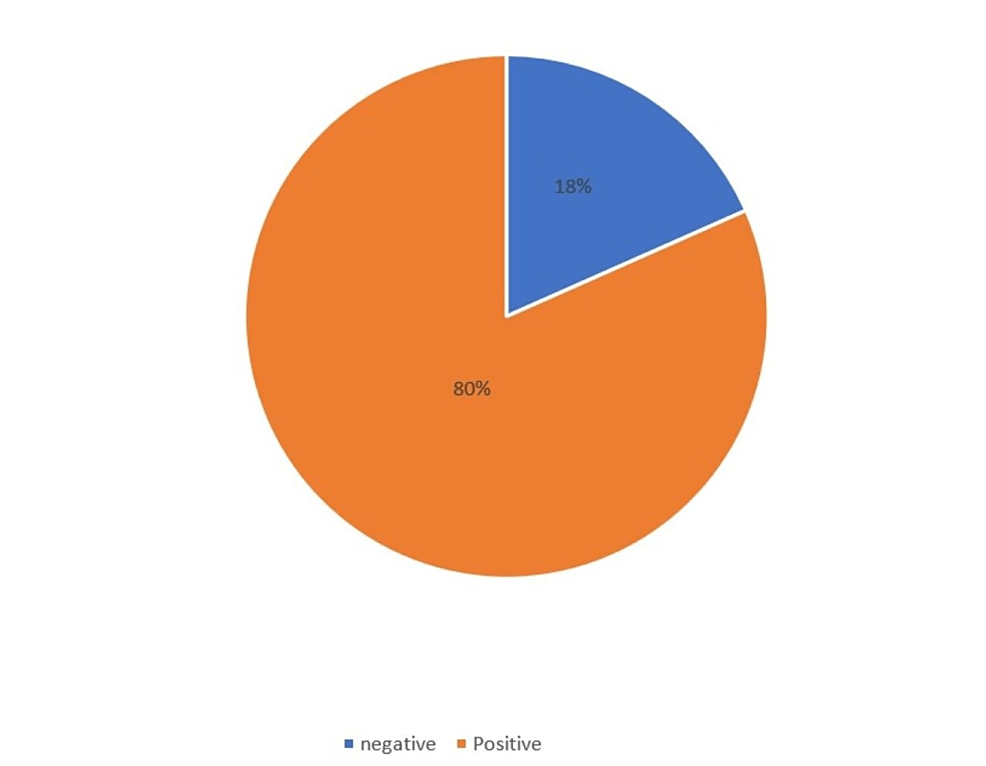
A Comparative Analysis of Microscopy, Culture, and the Xpert Mycobacterium tuberculosis/Rifampicin Assay in Diagnosing Pulmonary Tuberculosis in Human Immunodeficiency-Positive Individuals
Introduction: Individuals with human immunodeficiency virus (HIV) infection have an increased likelihood of developing tuberculosis (TB). The primary objective of this study was to compare the diagnostic accuracy of microscopy,...
Conclusion: The study found that Xpert MTB/RIF outperformed other methods in identifying resistance to RIF, showed better agreement with gene sequencing results for RIF resistance, and had higher accuracy in detecting tuberculosis cases, including both smear-positive and smear-negative cases.