


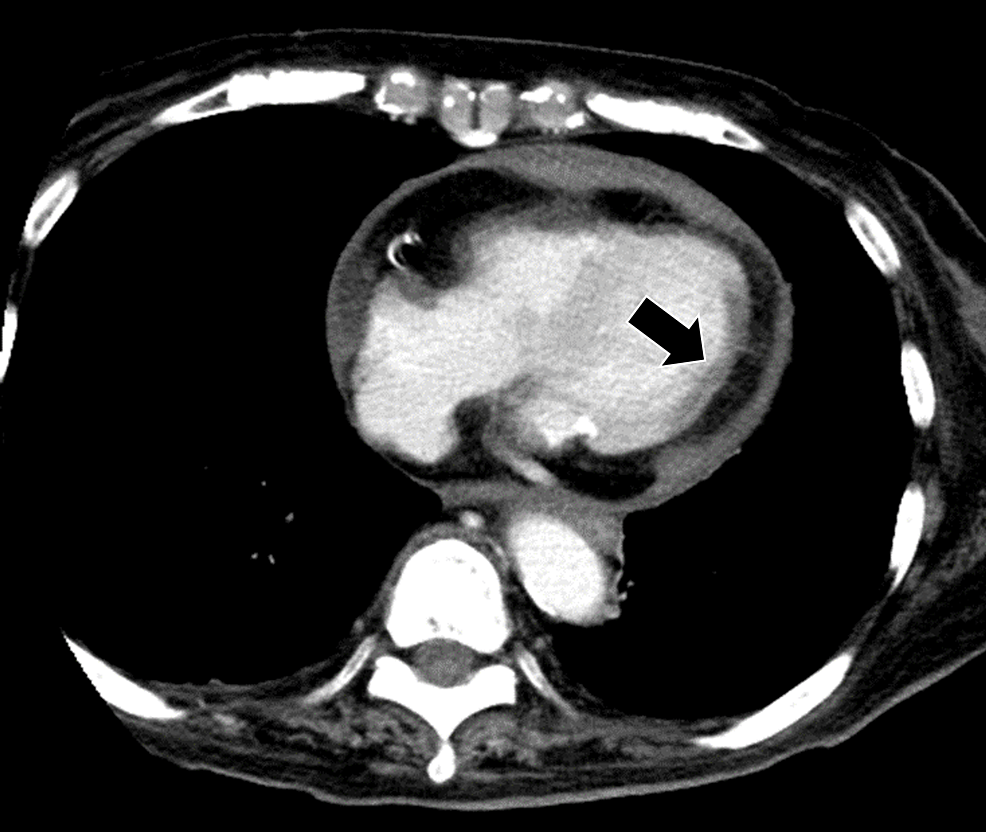
Experiences in Emergency Cardiac Surgery of COVID-19-Positive Patients: A Case Series
The coronavirus disease-2019 (COVID-19) pandemic has placed many restrictions on medical care. The timing of surgical treatment has been particularly affected, with patients experiencing delayed operation dates. This report describes...
This report describes three patients with preoperative COVID-19-positive diagnoses, tested with reverse transcription-polymerase chain reaction, who were urgently treated surgically with excellent results. Case 1 involved an 89-year-old woman with a left ventricular rupture after a myocardial infarction. Case 2 involved a 52-year-old male...
Findings: 5154 index cases were assessed for eligibility, 1372 index cases invited to participate, and 341 index cases and their household contacts (n = 831) enrolled. 1172 participants in 341 households underwent randomisation, with 607 assigned to receive IFNβ-1a and 565 to standard care. Based on intention to treat (ITT) and per protocol...
Newly-discovered antibodies can neutralize COVID-19 variants, potentially prevent future coronavirus outbreaks
Source : https://www.eurekalert.org/news-releases/997045
Scientists have isolated potent neutralising antibodies from a COVID-19 vaccinated SARS survivor that exhibited remarkable breadth against known sarbecoviruses. The antibodies targeted a conserved region of the spike protein and...
The most powerful antibody, named E7, neutralised both SARS-CoV and SARS-CoV-2 sarbecoviruses, animal sarbecoviruses and newly emerged SARS-CoV-2 variants, such as Omicron XBB.1.16. It was shown to neutralise via a unique mechanism of binding that bridges two parts of the coronavirus’ spike protein that it uses to invade cells. This appears...

Adverse Events of Latent Tuberculosis Treatment With Isoniazid in People Living With HIV: A Case-Control Study in a Resource-Rich Setting
Introduction Multiple risk factors, such as human immunodeficiency virus (HIV) infection and immunosuppressive therapies, increase the odds of latent tuberculosis infection (LTBI) reactivation and progression to active tuberculosis. A six-to-nine-month...
In our study, INH-associated AEs were common, with liver toxicity being the most frequent. Older age, economic hardship, and excessive alcohol consumption increased the odds of INH-associated AEs, while PLHIV had lower odds of developing INH-associated AEs, even when adjusting for other variables in the multivariate analysis. Further studies...
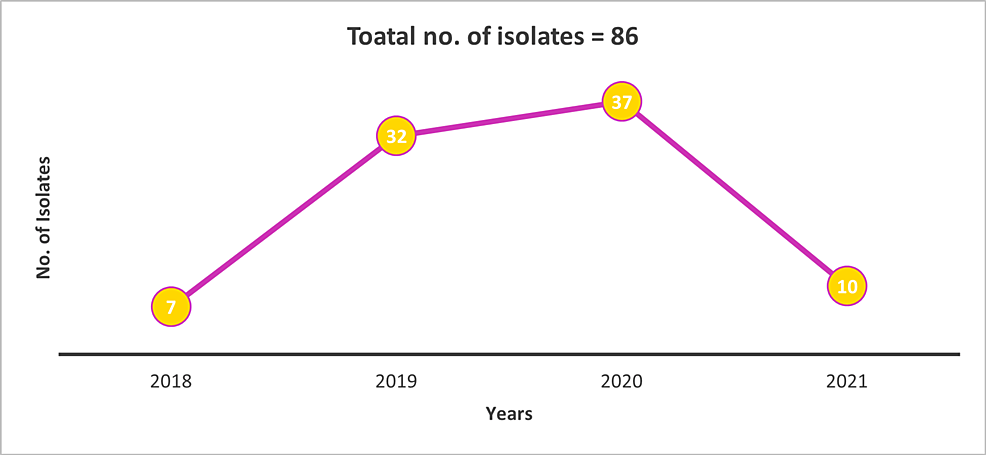
A Multicenter Evaluation of Overall Susceptibility and Antimicrobial Resistance Among Streptococcus pneumoniae Isolates
Purpose: S. pneumoniae ranks as the fourth-most lethal pathogen globally in terms of fatalities associated with or attributable to resistance. In this study, the Antimicrobial Testing Leadership and Surveillance (ATLAS)...
Conclusion: An increase in resistance to penicillin and macrolides among S. pneumoniae isolates was observed in the Indian population. Addressing the elevating rates of S. pneumoniae resistance may require pneumococcal conjugate vaccines (PCVs) with expanded serotype coverage and targeted antimicrobial stewardship efforts.