
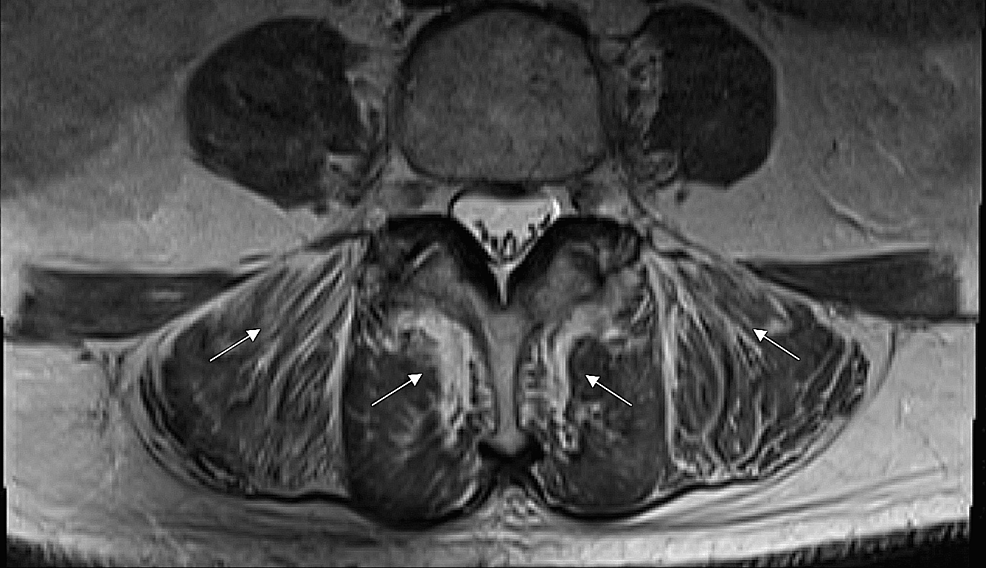
High-Intensity Statin With Severe Consequences: A Case of Non-autoimmune Rosuvastatin-Induced Myonecrosis
Statins constitute a cornerstone in the primary and secondary prevention of atherosclerotic cardiovascular disease (ASCVD). The routine use of these lipid-lowering agents may lead to unintentional neglect of their well-known...
Conclusions/Relevance: Ultimately, statin-induced myopathy may significantly hinder activities of daily living and impair quality of life. It is, however, a reversible condition if diagnosed and appropriately managed early on. Clinicians are encouraged to acquaint themselves with the symptomatology and relevant laboratory values that commonly...
Share





Screening and Management of Dyslipidemia in Children and Adolescents - PubMed
Source : https://pubmed.ncbi.nlm.nih.gov/36362707/
This review provides an overview of pediatric dyslipidemia emphasizing screening and treatment recommendations. The presence of risk factors for cardiovascular disease in childhood poses significant risk for the development of...
Conclusion/Relevance: Treatment of pediatric dyslipidemia begins with lifestyle modifications, but primary genetic dyslipidemias may require medications such as statins. As pediatric lipid disorders often have genetic or familial components, it is important that all physicians are aware that cardiovascular risk begins in childhood, and can both...
Share
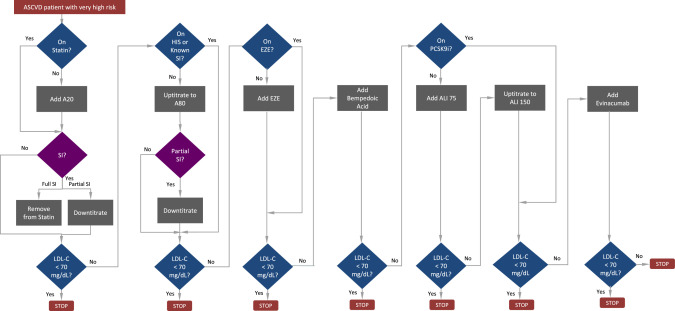
Simulation of lipid-lowering therapy (LLT) intensification in very high-risk patients with atherosclerotic cardiovascular disease
Source : https://www.lipidjournal.com/article/S1933-2874(22)00286-0/fulltext
In a previous study, we used a Monte Carlo simulation model to estimate the proportion of patients with atherosclerotic cardiovascular disease (ASCVD) who would require various lipid-lowering therapies (LLTs), and...
Conclusions: Evinacumab may be useful to address such unmet needs effectively, as the majority of those not at goal after PCSK9 inhibitors could achieve the goal of
Share

Atherogenic Lipoproteins for the Statin Residual Cardiovascular Disease Risk - PubMed
Source : https://pubmed.ncbi.nlm.nih.gov/36362288/
Randomized controlled trials (RCTs) show that decreases in low-density lipoprotein cholesterol (LDL-C) by the use of statins cause a significant reduction in the development of cardiovascular disease (CVD). However, one...
Conclusions/Relevance: MDA-LDL is a representative form of oxidized LDL and plays important roles in the formation and development of the primary lesions of atherosclerosis. MDA-LDL levels were higher in CVD patients and diabetic patients than in the control subjects. Furthermore, we demonstrated the atherogenic properties of such lipoproteins...
Share
ANGPTL3 as a Drug Target in Hyperlipidemia and Atherosclerosis - Current Atherosclerosis Reports
Source : https://link.springer.com/article/10.1007/s11883-022-01071-1
Purpose of Review Elevated low-density lipoprotein cholesterol (LDL-C) and triglyceride-rich lipoproteins (TRLs) or remnants are important risk factors for the development of atherosclerotic cardiovascular disease (ASCVD). The ongoing challenge of...
Summary: ANGPTL3 is a novel target in lipoprotein metabolism, targeting not only LDL-C via an LDL-receptor (LDLR) independent mechanism but also TRLs and carries a significant promise for further ASCVD risk reduction.
Share