
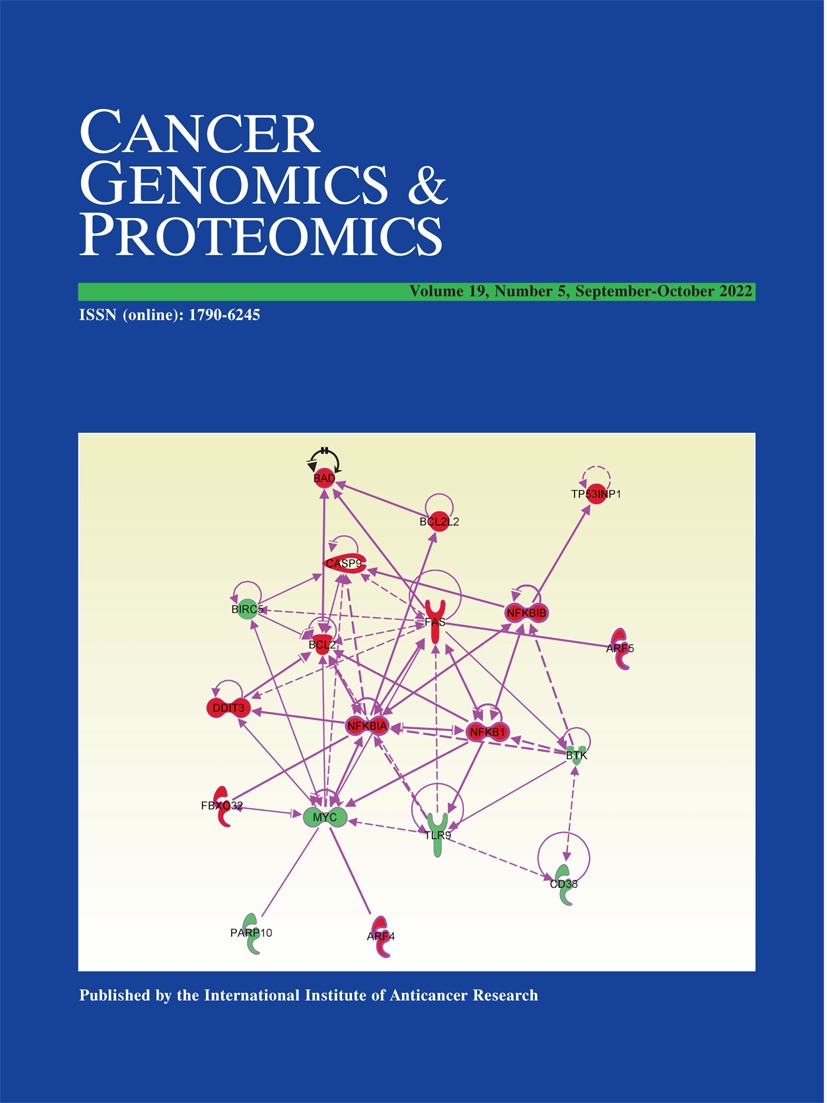
Disruption of Lipid Raft Microdomains, Regulation of CD38, TP53, and MYC Signaling, and Induction of Apoptosis by Lomitapide in Multiple Myeloma Cells
Source : https://cgp.iiarjournals.org/content/19/5/540
Background/Aim: Multiple myeloma (MM) is characterized by accumulation of a malignant clone of plasma cells in the bone marrow. Curative treatments are not yet available. Therefore, we undertook a drug...
Conclusions: Lomitapide treatment led to disruption of lipid raft domains and induction of pro-apoptotic factors and might, therefore, be considered as a potential therapeutic agent in MM.
Share




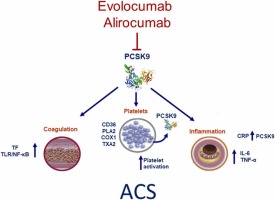
Pharmacological rationale for the very early treatment of acute coronary syndrome with monoclonal antibodies anti-PCSK9
Source : https://www.sciencedirect.com/science/article/abs/pii/S104366182200384X?via=ihub
Immediate and aggressive lipid lowering therapies after acute coronary syndromes (ACS) and percutaneous coronary interventions (PCI) are supported by the ESC/EAS dyslipidemia guidelines, recommending the initiation of high-intensity statin therapy...
Conclusions: In the present review we will discuss the pharmacological and biological rationale supporting the potential use of PCSK9 mAbs in ACS patients and the emerging evidence of evolocumab and alirocumab treatment in this clinical setting.
Share

Pearls & Oy-sters: Managing Cholesterol in a Patient With Statin Intolerance Due to Anti-HMG-CoA Reductase-Associated Myopathy
Source : https://n.neurology.org/content/early/2022/09/13/WNL.0000000000201315
Statins are the first line of treatment for hypercholesterolemia and of prevention of atherosclerotic cardiovascular disease (ASCVD). It is estimated that one in four Americans over the age of 40...
Conclusions: We present key findings for early recognition and treatment of anti-HMGCR associated myopathy and give recommendations on how to manage hypercholesterolemia in a patient with statin intolerance due to this disease.
Share

Hypoglycaemia events with iGlarLixi versus premix biphasic insulin aspart 30 (BIAsp 30) in people with type 2 diabetes advancing from basal insulin: An analysis of the SoliMix trial - PubMed
Source : https://pubmed.ncbi.nlm.nih.gov/36054624/
These results show that the lower HbA1c levels and weight benefit seen with iGlarLixi versus premixed BIAsp 30 in people with type 2 diabetes advancing their basal insulin therapy in...
Conclusions: These results show that the lower HbA1c levels and weight benefit seen with iGlarLixi versus premixed BIAsp 30 in people with type 2 diabetes advancing their basal insulin therapy in the SoliMix trial are also accompanied by a lower risk of hypoglycaemia at any time of day and across a broad range of HbA1c levels.
Share
-
 Dr Hamid3yrThis exploratory analysis of SoliMix used logistic regression and negative binomial regression analyses to assess between-treatment differences in the incidence and rates of hypoglycaemia by time of day.
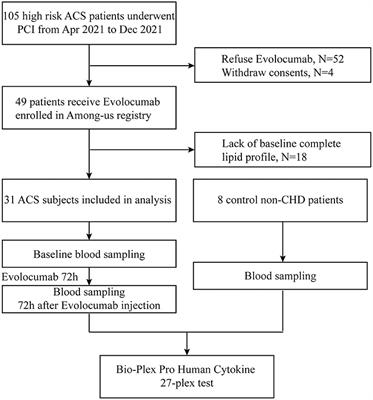
Evolocumab enables rapid LDL-C reduction and inflammatory modulation during in-hospital stage of acute coronary syndrome: A pilot study on Chinese patients
Source : https://www.frontiersin.org/articles/10.3389/fcvm.2022.939791/full
Background and aimsProprotein convertase subtilisin/kexin type 9 (PCSK9) has long been considered a key regulator in lipid metabolism. Its role as a potential player in immune response has recently earned...
Conclusions: In this case-crossover study of the effect of PCSK9 antibody among Chinese patients, evolocumab on top of high-intensity statin during hospitalization led to a remarkable and rapid reduction in atherogenic lipids and an alteration in inflammatory status at early-stage post-ACS.
Share
-
Dr Hamid3yrProprotein convertase subtilisin/kexin type 9 (PCSK9) has long been considered a key regulator in lipid metabolism
-
Lipid Management Connect3yrKey Points • Source: Frontiers in Cardiovascular Medicine • Conclusion: “In this case-crossover study of the effect of PCSK9 antibody among Chinese patients, evolocumab on top of high-intensity statin during hospitalization led to a Show More