

Measures of Financial Hardship From Health Care Expenses Among Families With a Member With Atherosclerotic Cardiovascular Disease in the US
Source : https://www.ncbi.nlm.nih.gov/pmc/articles/PMC9308060/
JAMA Health Forum. 2022 Jul; 3(7): e221962. Stephen Y. Wang, MD, MPH, 1 Javier Valero-Elizondo, MD, MPH, 2 , 3 Miguel Cainzos-Achirica, MD, PhD, 2 , 3 Nihar R. Desai,...
Conclusions and Relevance: In this cross-sectional study of US adults, 2 in 5 families of patients with ASCVD experienced health care–related financial hardship, but a focus on objective or subjective measures alone would have captured only half the burden and not identified those deferring health care. The findings suggest that a...
Share




-
 Dr Hamid3yrPatients with atherosclerotic cardiovascular disease (ASCVD) face substantial financial burden from health care costs as assessed by many disparate measures

Saturated Fatty Acid-Induced Impairment of Hepatic Lipid Metabolism Is Worsened by Prohibitin 1 Deficiency in Hepatocytes - PubMed
Source : https://pubmed.ncbi.nlm.nih.gov/35980329/
Obesity-associated nonalcoholic fatty liver disease (NAFLD) is characterized by excessive intrahepatic lipid accumulation. Despite the increasing prevalence of NAFLD and obesity, the pathogenesis of NAFLD has not yet been clearly...
Relevance: In this study, we investigated how PHB1 affects lipid metabolism in murine hepatocytes. To reduce the expression of PHB1, Phb1 small interfering RNA was transfected into normal murine hepatocytes (AML12), and the cells were treated with the saturated fatty acid (SFA), palmitic acid (PA), for 24 h.
Share
-
Dr Hamid3yrDespite the increasing prevalence of NAFLD and obesity, the pathogenesis of NAFLD has not yet been clearly elucidated.

Ocular Disorders Associated with PCSK9 Inhibitors: A Pharmacovigilance Disproportionality Analysis - PubMed
Source : https://pubmed.ncbi.nlm.nih.gov/35973681/
doi: 10.1111/bcp.15494. Online ahead of print. 1 Department of Pharmacy, The First Affiliated Hospital of Chongqing Medical University, Chongqing, China. 2 School of Pharmacy, Chongqing Medical University, Chongqing, China. doi:...
Conclusion: This pharmacovigilance study identified a possible signal of ocular disorders associated with PCSK9 inhibitors and encourages paying attention to at-risk populations in PCSK9 inhibitors medication.
Share
Development and characterization of a camelid derived antibody targeting a linear epitope in the hinge domain of human PCSK9 protein - Scientific Reports
Source : https://www.nature.com/articles/s41598-022-16453-3
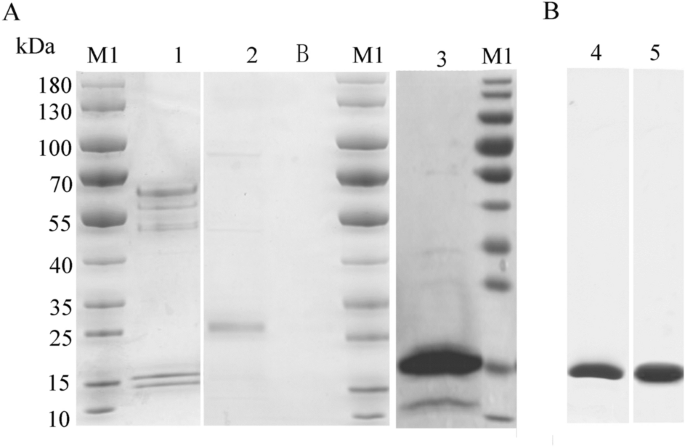
PCSK9 is an effective target for lowering LDL-c. Previously, a camelid-human chimeric heavy chain antibody VHH-B11-Fc targeting human PCSK9 was designed. It had a potent hypolipidemic effect. However, the nanobody...
Conclusion/Relevance: Unlike the interaction epitope of Evolocumab, located in the catalytic region of PCSK9, the binding epitope of VHH-B11 is located in the hinge region of PCSK9, which is rarely reported. These findings indicated that a specific mechanism underlying this interaction needs to be explored.
Share
Isochlorogenic Acid C Alleviates High-Fat Diet-Induced Hyperlipemia by Promoting Cholesterol Reverse Transport
Source : https://www.frontiersin.org/articles/10.3389/fphar.2022.881078/full
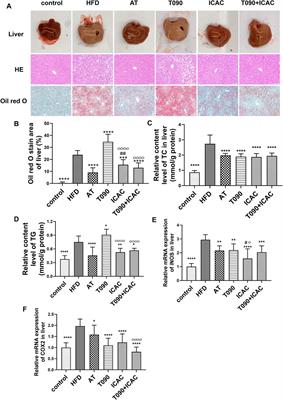
Background: Promoting cholesterol reverse transport (RCT) has been proven to be a promising hyperlipidemia therapy since it is more effective for the treatment of atherosclerosis (AS) caused by hyperlipidemia.
Conclusion: ICAC accelerated RCT without affecting liver LXRα, thus resulting in a lipid-lowering effect without increasing liver adipogenesis. Our results indicated that ICAC could be a new RCT promoter for hyperlipidemia treatment without causing liver steatosis.
Share