



Statin use in patients with hormone receptor-positive metastatic breast cancer treated with everolimus and exemestane - PubMed
Source : https://pubmed.ncbi.nlm.nih.gov/36263515/
doi: 10.1002/cam4.5369. Online ahead of print. 1 Division of Hemato-Oncology, Department of Internal Medicine, Korea University Guro Hospital, Korea University College of Medicine, Seoul, Republic of Korea. 2 Smart Healthcare...
Conclusions: "Conclusion: Statins may have synergistic effects with endocrine therapy with the mTOR inhibitor everolimus, and improve survival in patients with HR metastatic breast cancer."

Improving Stability Enhances In Vivo Efficacy of a PCSK9 Inhibitory Peptide - PubMed
Source : https://pubmed.ncbi.nlm.nih.gov/36222719/
Optimization of peptide stability is essential for the development of peptides as bona fide alternatives to approved monoclonal antibodies. This is clearly the case for the many peptides reported to...
Conclusion/Relevance: Indeed, the peptide P9-albN2 achieved similar functional endpoints as the approved anti-PCSK9 antibody evolocumab, albeit at higher doses. Our study illustrates that optimization of stability instead of binding affinity is an effective way to improve in vivo function.
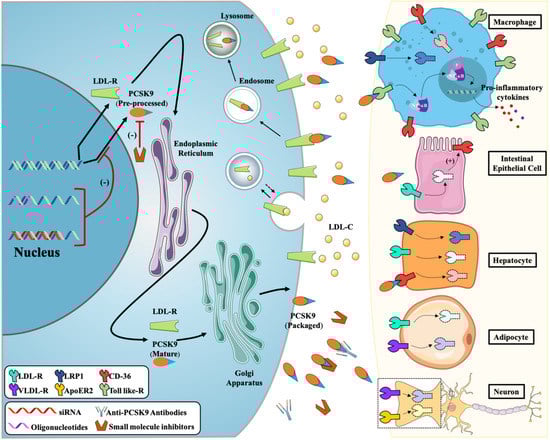
PCSK9 Inhibition: From Current Advances to Evolving Future
Source : https://www.mdpi.com/2073-4409/11/19/2972
Proprotein convertase subtilisin/kexin type 9 (PCSK9) is a secretory serine protease synthesized primarily by the liver. It mainly promotes the degradation of low-density lipoprotein receptor (LDL-R) by binding LDL-R, reducing...
Conclusions: Currently marketed PCSK9 inhibitors include alirocumab, evolocumab, and inclisiran, as well as small molecules, nucleic acid drugs, and vaccines under development. This review systematically summarized the application, preclinical studies, safety, mechanism of action, and latest research progress of PCSK9 inhibitors, aiming to...
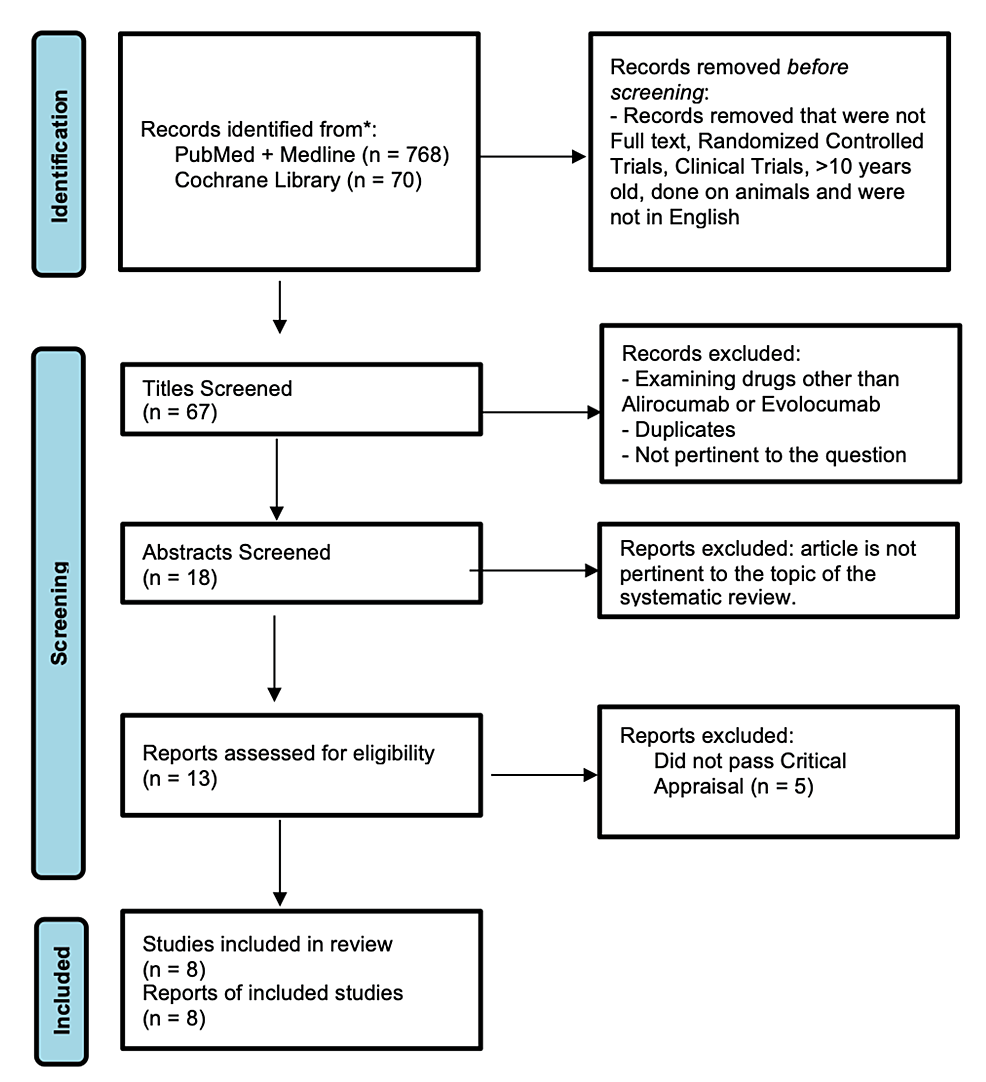
Exploring the Efficacy of Alirocumab and Evolocumab in Reducing Low-Density Lipoprotein (LDL) Cholesterol Levels in Patients With Familial Hypercholesterolemia: A Systematic Review
Patients with familial hypercholesterolemia (FH) have an increased risk of having abnormally high low-density lipoprotein cholesterol (LDL-C) levels. One of the main groups of drugs used for FH is statins....
Conclusions: The data extraction from these studies showed that alirocumab and evolocumab were efficacious in decreasing LDL-C levels and achieving the pre-defined LDL-C goals. Many parameters influenced the strength of the LDL-C reduction: sample size of the population, genetic structure of the patients affected by FH, length of the trial, or...

The prevention of stroke by statins: A meta-analysis - PubMed
Source : https://pubmed.ncbi.nlm.nih.gov/36197216/
1 School of Traditional Chinese Medicine, Changchun University of Chinese Medicine, Jingyue National High-Tech Industrial Development Zone, Changchun, Jilin, China. 2 Department of Encephalology, The Affiliated Hospital of Changchun University...
Conclusions: Our findings indicated that the statins were associated with the patients with stroke in recurrence rate, but there was no significant correlation with the mortality and morbidity of patients with stroke.