

The N-Acetylgalactosamine-conjugated small interfering RNA inclisiran can be coadministered safely with atorvastatin in cynomolgus monkeys resulting in additive low-density lipoprotein cholesterol reductions - PubMed
Source : https://pubmed.ncbi.nlm.nih.gov/37021909/
Inclisiran, a small interfering RNA, selectively inhibits proprotein convertase subtilisin/kexin type 9 (PCSK9) synthesis in the liver and has been shown to reduce low-density lipoprotein cholesterol (LDL-C) by ≥50% in...
Summary: Inclisiran significantly inhibited PCSK9 synthesis and decreased LDL-C in cynomolgus monkeys without increasing the risk of adverse effects when coadministered with atorvastatin.
Share





Effect of Different Types and Dosages of Proprotein Convertase Subtilisin/Kexin Type 9 Inhibitors on Lipoprotein(a) Levels: A Network Meta-Analysis
on Lp(a) have not been studied in detail. These include two monoclonal antibodies, alirocumab and evolocumab, and inclisiran, a small interfering RNA. We searched PubMed, Web of Science, Embase, and...
Conclusions/Relevance: Therefore, for patients with very high Lp(a) levels who remain at high residual risk in the context of statin administration, it may be acceptable to use a kind of PCSK9 inhibitor, but the clinical benefit needs further investigation.
Share
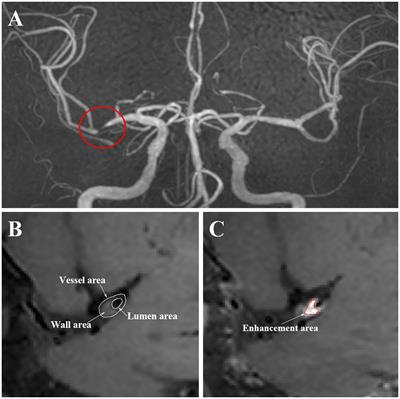
Effect of PCSK9 inhibition in combination with statin therapy on intracranial atherosclerotic stenosis: A high-resolution MRI study
Source : https://www.frontiersin.org/articles/10.3389/fnagi.2023.1127534/full
IntroductionIntracranial atherosclerotic stenosis (ICAS) is a common cause of stroke worldwide. Evolocumab, a proprotein convertase subtilisin/kexin type-9 inhibitor (PCSK9i), effectively lowers low-density lipoprotein (LDL) and produces favorable changes in coronary...
Discussion: Statin and PCSK9i combination treatment stabilized intracranial atherosclerotic plaques more often compared to statins alone, as documented by HR-MRI. Further study is warranted to determine if combination treatment improves clinical outcomes in ICAS.
Share

Association of cholesterol levels with hemorrhagic transformation and cerebral edema after reperfusion therapies
Source : https://www.ncbi.nlm.nih.gov/pmc/articles/PMC10069196/
Irene Escudero-Martínez, 1, 2 Magnus Thorén, 3, 4 Marius Matusevicius, 3, 5 Charith Cooray, 3, 5 Andrea Zini, 6 Christine Roffe, 7 Danilo Toni, 8 Georgios Tsivgoulis, 9 Peter Ringleb,...
Conclusions: Our findings indicate an independent association between low levels of TC and higher odds of moderate/severe CED. Further studies are needed to confirm these findings.
Share
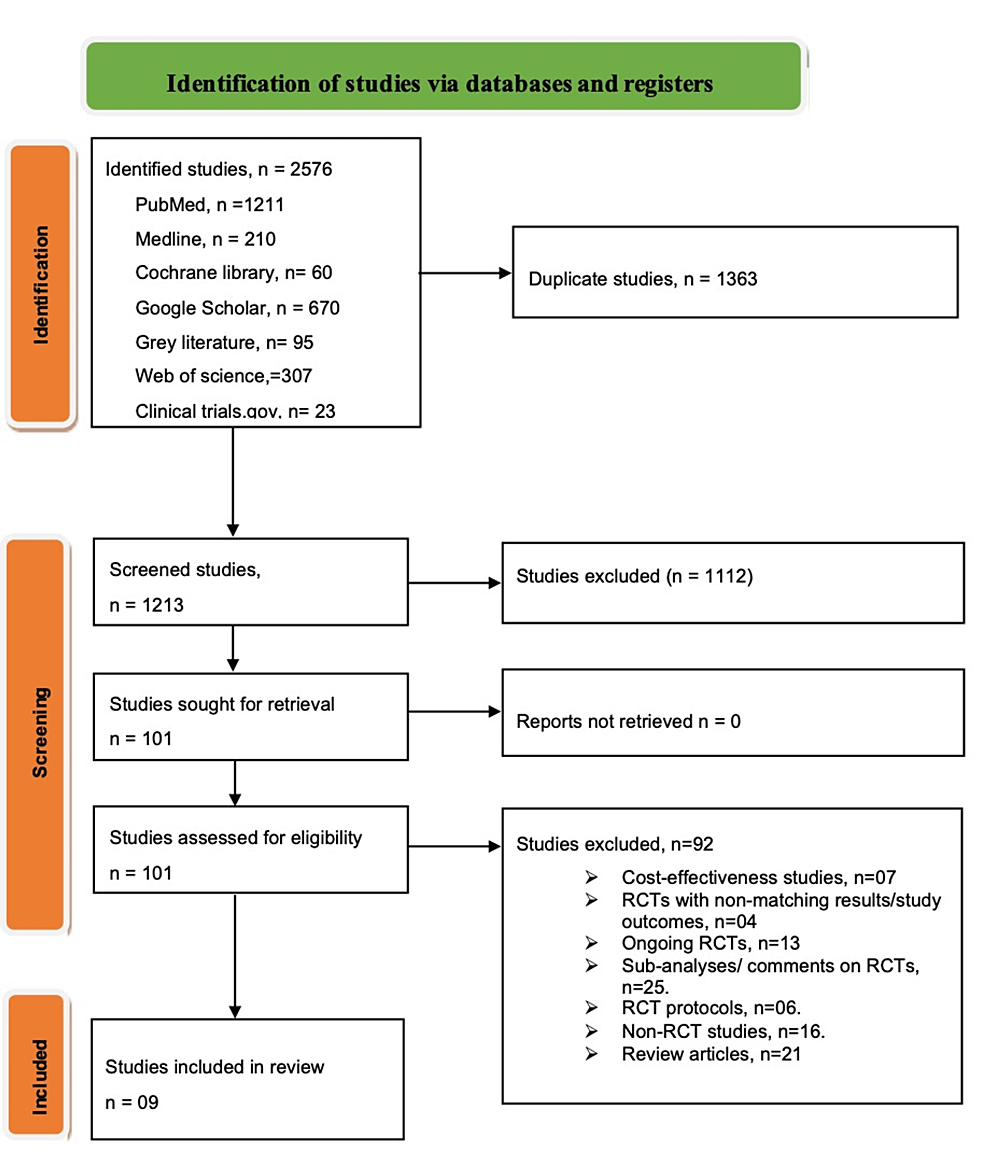
Safety and Effectiveness of Evolocumab During Acute and Sub-acute Phases of Acute Coronary Syndrome (ACS): A Systematic Review and Meta-analysis
Background: Coronary artery disease (CAD), manifested mainly as acute coronary syndrome (ACS), continues to be a major cause of mortality globally and a significant contributing factor to the global disease...
Conclusion: Early evolocumab therapy initiation was associated with a significant decrease in LDL-C levels and was not associated with an increased risk of adverse effects in comparison to placebo.
Share