

The 2024 National Lipid Association (NLA) Scientific Sessions featured updated guidance on lipid management for women of reproductive age, complex patients, and other special populations. Presentations also included a deep dive on lipoprotein(a) (Lp[a]) in clinical practice as well as potential new blood markers for heart disease risk. The four-day meeting was held at Caesars Palace in Las Vegas.

Lipids as potential mediators linking body mass index to diabetes: evidence from a mediation analysis based on the NAGALA cohort
Source : https://pubmed.ncbi.nlm.nih.gov/38730299/
Our fresh findings suggested that lipid parameters partially mediated the association of BMI with diabetes risk; this result indicated that in the context of diabetes risk screening and disease management,...
Our fresh findings suggested that lipid parameters partially mediated the association of BMI with diabetes risk; this result indicated that in the context of diabetes risk screening and disease management, it is important to not only monitor BMI but also pay attention to lipid parameters, particularly HDL-C and HDL-C-related lipid ratio...
Held at Caesars Palace in Las Vegas, the 2024 National Lipid Association (NLA) Scientific Sessions span four days and feature updated guidance on lipid management for complex patients and crucial drug interactions in lipid-lowering medications, plus information on clinical trials, challenges with statin tolerance, and other deep dives on the nuances of lipidology.
Patients living with HIV infection were more likely to have higher TG levels and lower HDL-C levels than those without HIV infection.
Blood Lipids, Lipoproteins, and Apolipoproteins With Risk of Coronary Heart Disease: a Prospective Study Among Racially Diverse Populations
Source : https://pubmed.ncbi.nlm.nih.gov/38726919/
Our study highlighted several lipoprotein biomarkers, including apolipoprotein B/ apolipoprotein A1 ratio, apolipoprotein B, and low-density lipoprotein-triglycerides, strongly and consistently associated with incident CHD. Our results suggest that comprehensive lipoprotein...
Several lipoprotein biomarkers, including apolipoprotein B/ apolipoprotein A1 ratio, apolipoprotein B, and low-density lipoprotein-triglycerides, strongly and consistently were associated with incident coronary heart disease.
The National Lipid Association (NLA) will host its annual scientific sessions in Las Vegas from May 30 to June 2, 2024. The mission of the NLA is to enhance the practice of lipid management in clinical practice, and attendees of the scientific sessions will explore lipid management for complex patients, the evolving landscape of clinical trials, challenges of patient statin tolerance, and drug interactions with lipid-lowering medications, among other topics.
Click above to for a full preview of the conference highlights.
Risk Factors and Lipid Metabolism Characteristics of Early-Onset Male Androgenetic Alopecia: a Pilot Study
Source : https://pubmed.ncbi.nlm.nih.gov/38738464/
Low HDL-C, UA, and 25(OH)D may be the independent risk factors for early-onset MAA. Abnormal lipid metabolism was observed in early-onset MAA, wherein Cer and SM may serve as protective...
Low HDL-C, UA, and 25(OH)D may be the independent risk factors for early-onset MAA.
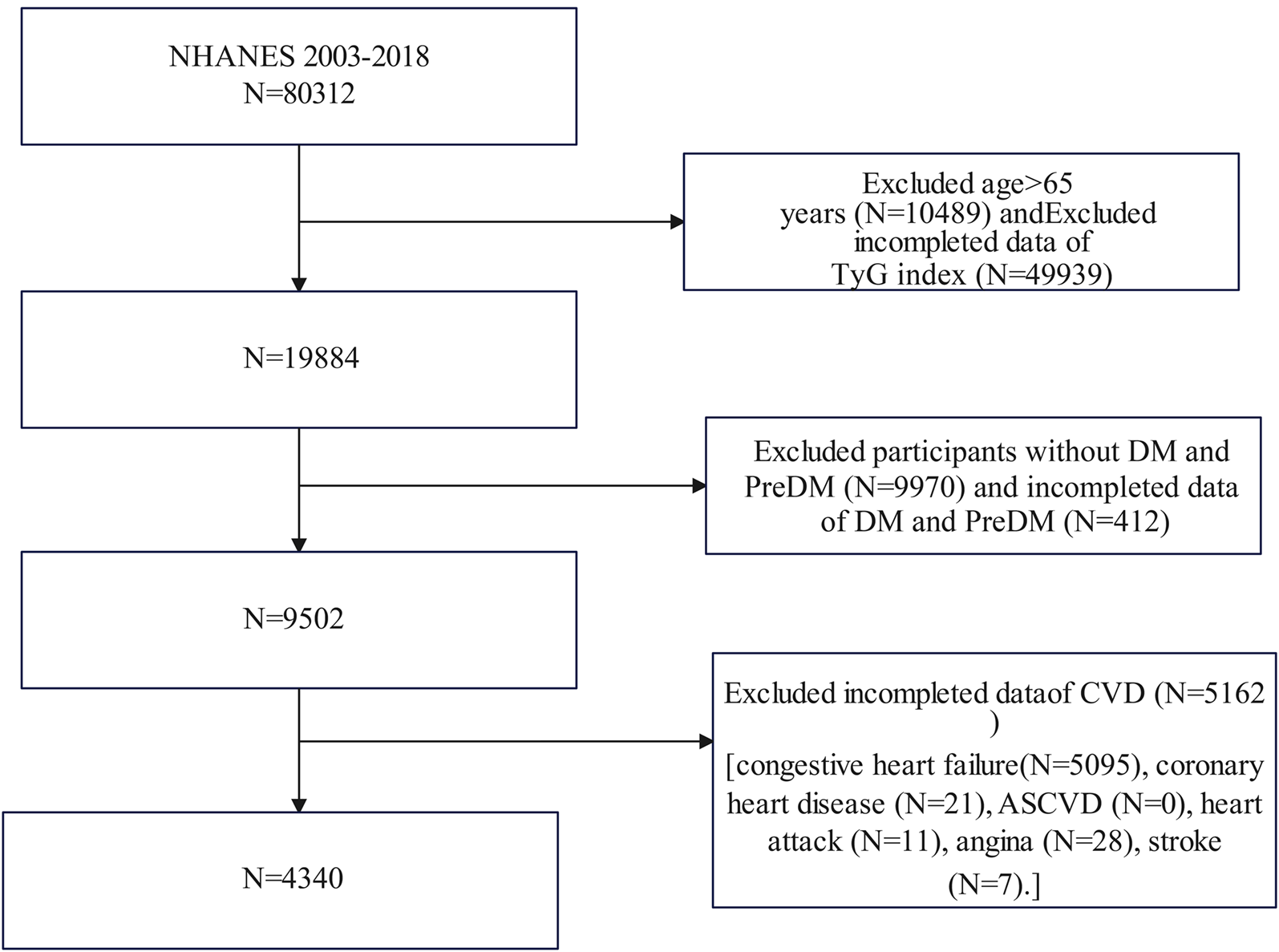
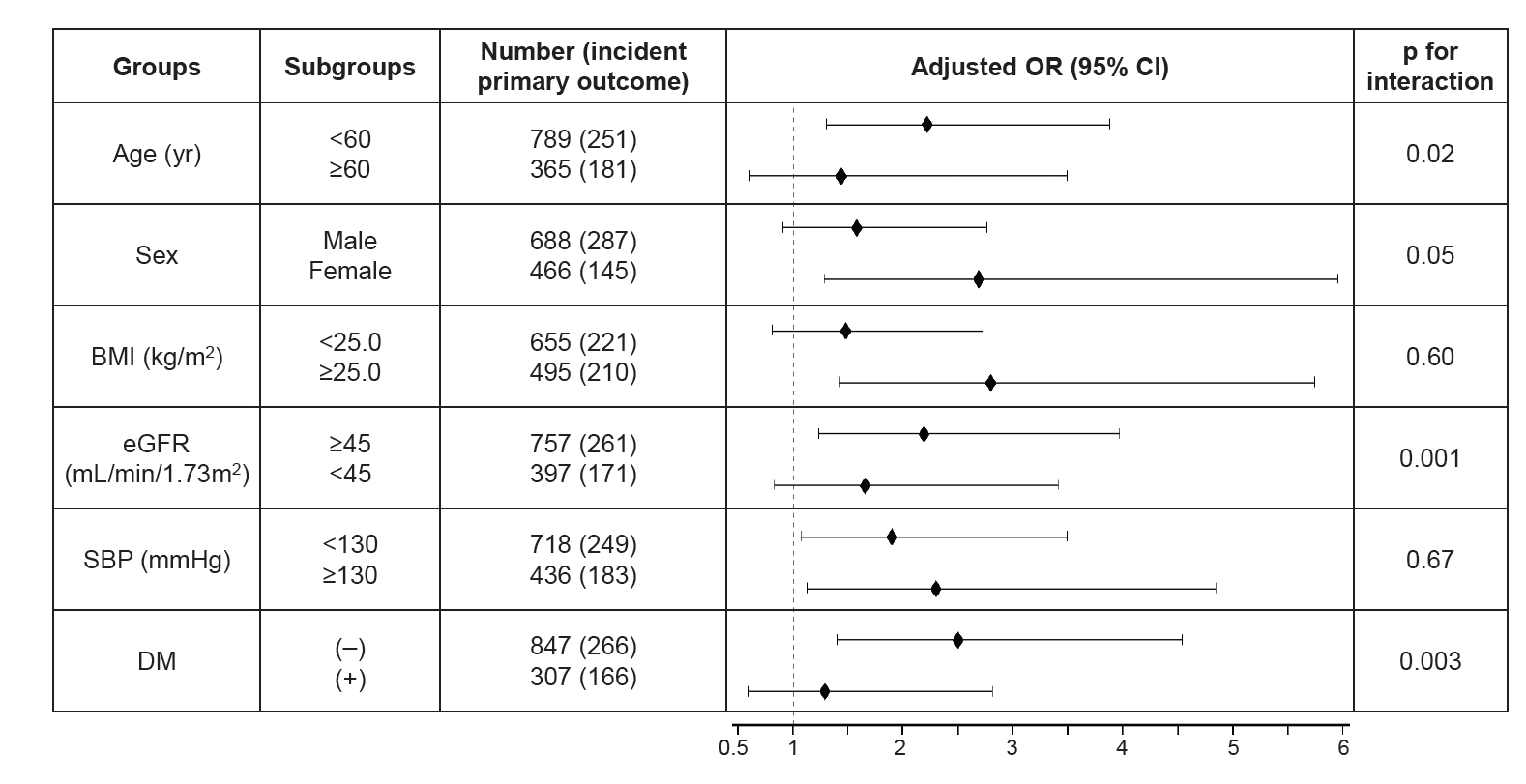
The Association Between the Triglyceride-Glucose Index and the Risk of Cardiovascular Disease in US Population Aged ≤ 65 Years With Prediabetes or Diabetes: a Population-Based Study
Source : https://cardiab.biomedcentral.com/articles/10.1186/s12933-024-02261-8
Background The relationship between the triglyceride-glucose (TyG) index and the risk of cardiovascular disease (CVD) in the U.S. population under 65 years of age with diabetes or prediabetes is unknown....
The triglyceride-glucose index can be used as a valid predictor of early CV risk in diabetic and prediabetic patients aged <65 years in the United States.
Plasma Lipidomic Profiling Identifies Elevated Triglycerides as Potential Risk Factor in Chemotherapy-Induced Peripheral Neuropathy
Source : https://pubmed.ncbi.nlm.nih.gov/38691814/
Elevated baseline plasma TG is associated with an increased risk of CIPN development and warrants further validation in other cohorts. Ultimately, this may enable therapeutic intervention.
The higher risk lipid profile had several elevated TG species and was independently associated with dose reduction/chemotherapy discontinuation when modeled with other clinical factors
Triglyceride-Glucose Index Is an Independent Predictor of Coronary Artery Calcification Progression in Patients With Chronic Kidney Disease
Source : https://www.krcp-ksn.org/journal/view.php?doi=10.23876/j.krcp.23.264
Coronary artery calcification (CAC) is highly prevalent in patients with chronic kidney disease (CKD) and is associated with major adverse cardiovascular events and metabolic disturbances. The triglyceride-glucose index (TyGI), a...
A 1-point increase in the triglyceride-glucose index was related to increased risk of coronary artery calcification progression after adjustment.
Current Diagnosis and Management of Familial Hypobetalipoproteinemia 1
Source : https://pubmed.ncbi.nlm.nih.gov/38710625/
Familial hypobetalipoproteinemia (FHBL) 1 is a rare genetic disorder with an autosomal codominant mode of inheritance and is caused by defects in the apolipoprotein (apo) B (APOB) gene that disable...
Although homozygous or compound heterozygotes of familial type 1 hypobetalipoproteinemia (HoFHBL1) and abetalipoproteinemia cannot be distinguished from the clinical manifestations and laboratory findings of the proband, moderate hypolipidemia in first-degree relatives may help diagnose HoFHBL1.
Metabolic Dysregulation and Its Multifaceted Impact on Cardiovascular Autonomic Control in Type 2 Diabetes Mellitus: Insights From Comprehensive Assessment
Background: Type 2 diabetes mellitus (T2DM) is associated with a spectrum of metabolic dysfunctions that significantly elevate the risk of cardiovascular disorders. Understanding the intricate relationship between metabolic control and...
Glycemic variability and dyslipidemia (elevated TG/LDL cholesterol, reduced HDL cholesterol) were associated with CV autonomic dysfunction.
Zerlasiran was well tolerated and produced sustained reductions in lipoprotein(a) concentrations.
Olezarsen for Hypertriglyceridemia in Patients at High Cardiovascular Risk
Source : https://pubmed.ncbi.nlm.nih.gov/38587249/
In patients with predominantly moderate hypertriglyceridemia at elevated cardiovascular risk, olezarsen significantly reduced levels of triglycerides, apolipoprotein B, and non-HDL cholesterol, with no major safety concerns identified. (Funded by Ionis...
Each dose of olezarsen also significantly reduced the levels of APOC3, apolipoprotein B, and non-HDL cholesterol, with no significant change in the LDL cholesterol level.
Associations of Dietary Cholesterol Consumption With Incident Diabetes and Cardiovascular Disease: the Role of Genetic Variability in Cholesterol Absorption and Disease Predisposition
OBJECTIVE. Whether genetic susceptibility to disease and dietary cholesterol (DC) absorption contribute to inconsistent associations of DC consumption with
Dietary cholesterol consumption was not associated with incident diabetes and CVD in the overall sample and in subgroups stratified by genetic predisposition to cholesterol absorption and the diseases.
Failure of Lipid Control by PCSK9 Inhibitors in Compound Heterozygous Familial Hypercholesterolemia Complicated With Premature Myocardial Infarction: a Case Report
Source : https://pubmed.ncbi.nlm.nih.gov/38487640/
Familial hypercholesterolemia (FH) is a serious autosomal dominant disorder. Managing blood lipids in FH patients poses greater challenges for clinicians. Drug therapy may not always yield satisfactory results, particularly in...
The inefficacy of proprotein-converting enzymes/kexin 9 inhibitors may arise from the extensive mutations, leading to loss of low-density lipoprotein receptor activity.
The estimated treatment difference between NNC0385-0434 100 mg and evolocumab 140 mg was 3.4%.
An Inclisiran First Strategy vs Usual Care in Patients With Atherosclerosis
Source : https://pubmed.ncbi.nlm.nih.gov/38593947/
An "inclisiran first" implementation strategy led to greater LDL-C lowering compared with usual care without discouraging statin use or raising new safety concerns.
The "inclisiran first" strategy led to significantly greater reductions in LDL-C from baseline to day 330 versus usual care.
This year’s meeting marked the 75th anniversary of ACC and included practice-changing information on the prevention, diagnosis, and treatment of the full spectrum of cardiovascular diseases. Click to access our postconference wrap-up report.
Patients with systemic lupus erythematosus and lupus nephritis showed significantly higher risk of hypertension, hyperlipidemia, and type 2 diabetes compared with those without lupus nephritis.