














Lipid Management Connect
Profile Image
  • Saved
Effect of PCSK9 Inhibitors on Hemostasis in Patients with Isolated Hypercholesterolemia - PubMed

Effect of PCSK9 Inhibitors on Hemostasis in Patients with Isolated Hypercholesterolemia - PubMed

Source : https://pubmed.ncbi.nlm.nih.gov/35566668/

Our findings indicate that treatment with PCSK9 inhibitors has a multipotential effect on fibrinolysis and coagulation in patients with isolated hypercholesterolemia and that this medication may have some future benefits...


Conclusion: Our findings indicate that treatment with PCSK9 inhibitors has a multipotential effect on fibrinolysis and coagulation in patients with isolated hypercholesterolemia and that this medication may have some future benefits in patients who are statin-intolerant or contraindicated to statin use.


Profile Image
  • 4yr
    The purpose of this trial was to determine the efficacy of PCSK9 inhibitors alone in patients with isolated hypercholesterolemia and will help in treatment of patients
  • Saved
Undertreatment or Overtreatment With Statins: Where Are We?

Undertreatment or Overtreatment With Statins: Where Are We?

Source : https://www.frontiersin.org/articles/10.3389/fcvm.2022.808712/full

Statins, in addition to healthy lifestyle interventions, are the cornerstone of lipid-lowering therapy. Other low-density lipoprotein (LDL)-lowering drugs include ezetimibe, bile acid sequestrants, and PCSK9 inhibitors. As new evidence emerges...


Relevance: This narrative review summarizes the evidence regarding the benefits of lipid-lowering drugs in reducing cardiovascular events, the pleiotropic effect of statins, real-world data on overtreatment and undertreatment of lipid-lowering therapies, and the changing LDL-C in targets in the clinical guidelines of dyslipidemias over the...

Profile Image
  • 4yr
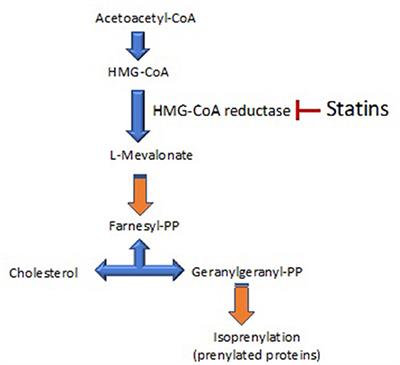
    several clinical studies have reported that, regardless of their lipid-lowering effects, statins reduce the levels of circulating pro-inflammatory molecules, such as levels of high-sensitivity C-reactive protein (hs-CRP)
  • Saved
PCSK9 Inhibitors

PCSK9 Inhibitors

Source : https://www.ncbi.nlm.nih.gov/books/NBK448100/

Familial hypercholesterolemia is characterized by extremely high total and LDL cholesterol levels, premature vascular disease, and tendon xanthomas. In most cases, this is due to a genetic mutation of the...


Relevance: This activity outlines the indications, mechanism of action, administration methods, significant adverse effects, contraindications, monitoring, and toxicity of PCSK9 inhibitors so providers can direct patient therapy to optimal outcomes in serum lipid management with these agents and obtain improved cardiovascular outcomes.

Profile Image
  • Saved
Early Initiation of Evolocumab Treatment in Chinese Patients With Acute Coronary Syndrome Undergoing Percutaneous Coronary Intervention

Early Initiation of Evolocumab Treatment in Chinese Patients With Acute Coronary Syndrome Undergoing Percutaneous Coronary Intervention

Source : https://www.clinicaltherapeutics.com/article/S0149-2918(22)00149-7/fulltext

Despite the widespread use of evidence-based cardiovascular treatments, patients with acute coronary syndrome (ACS) remain at high risk for ischemic cardiovascular events.1-3 This risk is partly caused by elevated LDL-C...


Implications: Among Chinese patients who underwent PCI for ACS, the early initiation of evolocumab combined with statin treatment effectively reduced LDL-C levels and lowered the incidence of recurrent ischemic cardiovascular events, with satisfactory tolerability and safety. Chinese Clinical Trial Registry identifier:


Profile Image
  • Saved
Proprotein convertase subtilisin/kexin type 9 (PCSK9) levels in primary antiphospholipid syndrome. The multicenter ATHERO-APS study

Proprotein convertase subtilisin/kexin type 9 (PCSK9) levels in primary antiphospholipid syndrome. The multicenter ATHERO-APS study

Source : https://www.sciencedirect.com/science/article/abs/pii/S0896841122000403?via=ihub

The proprotein convertase subtilisin/kexin type 9 (PCSK9) is emerging as a novel cardiovascular risk factor. Levels of PCSK9 in thrombotic primary ant...


Conclusion: These preliminary data suggest that PCSK9 levels are increased in PAPS patients with arterial and recurrent thrombosis. Its role as a possible therapeutic target in PAPS needs further studies.

Profile Image
  • Saved
Low-Density Lipoprotein Cholesterol Levels in Coronary Artery Disease Patients: Opportunities for Improvement

Low-Density Lipoprotein Cholesterol Levels in Coronary Artery Disease Patients: Opportunities for Improvement

Source : https://www.hindawi.com/journals/crp/2022/7537510/

Background . We sought to characterize the level of LDL-C control and identify opportunities for improvement and characteristics of patients who were undertreated. Methods . Study patients were from a...


Conclusions: There were important variations in LDL-C control between patients in our health system with the same indication for treatment. Variation in treatment among physicians is an area ripe for quality improvement interventions. This study may be easily reproduced by other medical centers and used for highlighting both patient and...

Profile Image
  • Saved
Pharmacogenomic Study of Statin-Associated Muscle Symptoms in the ODYSSEY OUTCOMES Trial - PubMed

Pharmacogenomic Study of Statin-Associated Muscle Symptoms in the ODYSSEY OUTCOMES Trial - PubMed

Source : https://pubmed.ncbi.nlm.nih.gov/35543701/

2022 May 11;101161CIRCGEN121003503. doi: 10.1161/CIRCGEN.121.003503. Online ahead of print. 1 Division of Pharmacotherapy and Experimental Therapeutics, UNC Eshelman School of Pharmacy, University of North Carolina at Chapel Hill (W.A.M.). 2...


Conclusions: This study comprises the largest discovery exome-wide and genome-wide association studies for atorvastatin- or rosuvastatin-mediated SAMS to date. Conclusion/Relevance: These novel genetic findings may provide biological/mechanistic insight into this drug-induced toxicity, and help identify at-risk patients before selection of...

Profile Image
  • Saved
Effect of PCSK9 Inhibitor on Blood Lipid Levels in Patients with High and Very-High CVD Risk: A Systematic Review and Meta-Analysis

Effect of PCSK9 Inhibitor on Blood Lipid Levels in Patients with High and Very-High CVD Risk: A Systematic Review and Meta-Analysis

Source : https://www.ncbi.nlm.nih.gov/pmc/articles/PMC9072011/

We aimed to investigate the effects of proprotein convertase subtilisin/kexin type 9 (PCSK9) inhibitor on blood lipid levels in patients with high and very-high cardiovascular risk. 14 trials ( n...


Conclusion: Addition of PCSK9 inhibitors to standard therapy resulted in definite improvement in blood lipid levels compared with therapies that did not include them.


Profile Image
  • Saved
Evidence for intensive LDL-C lowering for acute coronary syndrome: Recommendations from the Lipid Association of India - PubMed

Evidence for intensive LDL-C lowering for acute coronary syndrome: Recommendations from the Lipid Association of India - PubMed

Source : https://pubmed.ncbi.nlm.nih.gov/35508456/

Patients with acute coronary syndrome (ACS) have a high risk of subsequent adverse cardiovascular outcomes, particularly within the first 30 days. Although it is well documented that initiation of statin...


Conclusion: The Lipid Association of India recommends individualized aggressive LDL-C goals after ACS, which can be rapidly achieved with high intensity statin therapy and subsequent goal-directed adjunctive treatment with ezetimibe and PCSK9 inhibitors. Improved treatment of hypercholesterolemia achieved within weeks after ACS has the...

Profile Image
  • Saved
Safety of proprotein convertase subtilisin/kexin 9 inhibitors: a systematic review and meta-analysis

Safety of proprotein convertase subtilisin/kexin 9 inhibitors: a systematic review and meta-analysis

Source : https://heart.bmj.com/content/early/2022/05/03/heartjnl-2021-320556

Objective To determine the harms of proprotein convertase subtilisin/kexin 9 (PCSK9) inhibitors in people who need lipid-lowering therapy. Methods This systematic review included randomised controlled trials that compared PCSK9 inhibitors...


Conclusions: PCSK9 inhibitors slightly increase the risk of severe injection-site reaction but not cataracts, gastrointestinal haemorrhage, neurocognitive events, new-onset diabetes or severe myalgia or muscular pain.

Profile Image
  • Saved
Effect of Evolocumab on Coronary Plaque Phenotype and Burden in Statin-Treated Patients Following Myocardial Infarction

Effect of Evolocumab on Coronary Plaque Phenotype and Burden in Statin-Treated Patients Following Myocardial Infarction

Source : https://www.sciencedirect.com/science/article/abs/pii/S1936878X22001437?via=ihub

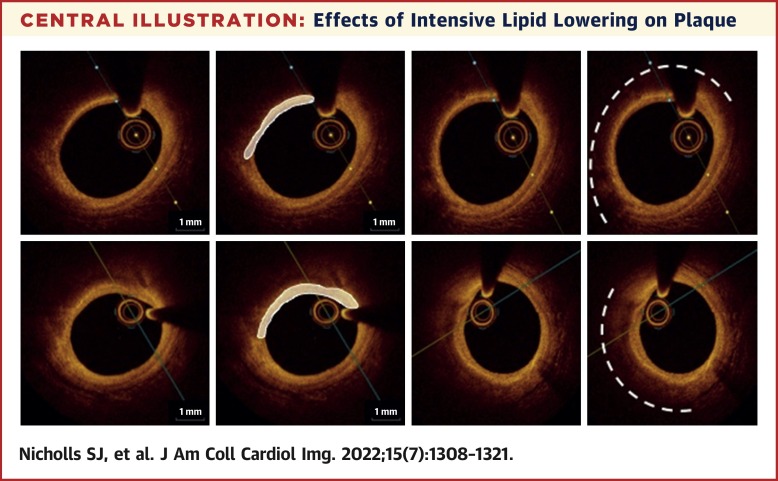
The purpose of this study was to determine the effect of evolocumab on optical coherence tomography (OCT) measures of plaque composition. The proprotein convertase subtilisin kexin type-9 inhibitor evolocumab produced...


Conclusions: The combination of statin and evolocumab after a non–ST-segment elevation myocardial infarction produces favorable changes in coronary atherosclerosis consistent with stabilization and regression. This demonstrates a potential mechanism for the improved clinical outcomes observed achieving very low LDL-C levels following an...

Profile Image
  • Saved
Is Deprescription of Ezetimibe Safe in Familial Hypercholesterolemia Patients Taking Evolocumab?

Is Deprescription of Ezetimibe Safe in Familial Hypercholesterolemia Patients Taking Evolocumab?

Source : https://www.ncbi.nlm.nih.gov/pmc/articles/PMC9039577/

Language: English | French Shyann Hang, BSc, a Julieta Lazarte, PhD, a, b, c and Robert A. Hegele, MD a, b, c, ∗ We evaluated whether low-density lipoprotein cholesterol (LDL-C)...


Relevance: We evaluated whether low-density lipoprotein cholesterol (LDL-C) levels in familial hypercholesterolemia patients on triple lipid-lowering therapy would remain below intensification threshold values after withdrawal of ezetimibe.

Profile Image
  • Saved
Comparison of Evolocumab and Ezetimibe, Both Combined with Statin Therapy, for Patients with Recent Acute Coronary Syndrome: A Cost-Effectiveness Analysis from the Chinese Healthcare Perspective - PubMed

Comparison of Evolocumab and Ezetimibe, Both Combined with Statin Therapy, for Patients with Recent Acute Coronary Syndrome: A Cost-Effectiveness Analysis from the Chinese Healthcare Perspective - PubMed

Source : https://pubmed.ncbi.nlm.nih.gov/35467312/

doi: 10.1007/s10557-021-07276-x. Online ahead of print. 1 The Research Center of National Drug Policy & Ecosystem, China Pharmaceutical University, Nanjing, China. 2 School of Pharmacy, Hangzhou Medical College, Hangzhou, China....


Conclusion: Compared with ezetimibe statins, the combination of evolocumab statins was found to be cost-effective at a threshold of 217,341 yuan (three times per capita GDP, 2020) in patients with recent ACS events in China.

Profile Image
  • Saved
Approach to patients with elevated low-density lipoprotein cholesterol levels - PubMed

Approach to patients with elevated low-density lipoprotein cholesterol levels - PubMed

Source : https://pubmed.ncbi.nlm.nih.gov/35487874/

Elevated low-density lipoprotein cholesterol (LDL-C) levels increase the risk of atherosclerotic cardiovascular disease (ASCVD) and lowering LDL-C levels reduces the risk of ASCVD. In patients with elevated LDL-C levels it...


Conclusion: Specifically, we discuss evidence indicating that the sooner one initiates therapy the better and the greater the reduction in LDL-C the better. Additionally, the higher the LDL-C level and the higher the risk of ASCVD, the greater the benefits of treatment. Using these principles will help in making decisions regarding the...

Profile Image
  • Saved
The National Cardiovascular Data Registry Data Quality Program 2020: JACC State-of-the-Art Review - PubMed

The National Cardiovascular Data Registry Data Quality Program 2020: JACC State-of-the-Art Review - PubMed

Source : https://pubmed.ncbi.nlm.nih.gov/35483759/

The National Cardiovascular Data Registry is a group of registries maintained by the American College of Cardiology Foundation. These registries are used by a diverse constituency to improve the quality...


Relevance: The National Cardiovascular Data Registry is a group of registries maintained by the American College of Cardiology Foundation. These registries are used by a diverse constituency to improve the quality and outcomes of cardiovascular care, to assess the safety and effectiveness of new therapies, and for research.

Profile Image
  • Saved
Atherosclerotic cardiovascular disease burden in patients with familial hypercholesterolemia: interpretation of data on involvement of different vascular beds - PubMed

Atherosclerotic cardiovascular disease burden in patients with familial hypercholesterolemia: interpretation of data on involvement of different vascular beds - PubMed

Source : https://pubmed.ncbi.nlm.nih.gov/35485652/

Familial hypercholesterolemia (FH) is a monogenic, autosomal dominant disorder that results in a rise of low‑density lipoprotein cholesterol (LDL‑C) and markedly increased risk of premature atherosclerotic cardiovascular disease. FH is...


Conclusion: Providing a systematic characteristic of patients with FH with respect to the presence and extent of atherosclerotic lesions in different vascular beds may have implications for daily practice not only for patients with FH but also for a larger number of patients with very high plasma LDL‑C concentrations.

Profile Image
  • Saved

made a Post

Cardiovascular Disease Risk Assessment & LDL-C Goal

Very high-risk patients with ASCVD are defined as having multiple major ASCVD events or one major ASCVD event and multiple other risk factors such as smoking, hypertension, diabetes, or persistent elevated LDL-C to name a few.1 While unclear exactly how many patients are considered very high-risk, separate studies show a range of 26-58% of ASCVD patients may be classified as very high-risk.2-3 The most recent ACC/AHA guideline recommends optimizing LDL-C management in very high-risk ASCVD patients with high-intensity statin therapy or maximally tolerated statin therapy.1 The guidelines further recommend using an LDL-C threshold of 70 mg/dL (1.8 mmol/L) in very high-risk ASCVD patients when considering the addition of nonstatins to statin therapy.1


  • What percentage of your own secondary prevention patients would you classify as being very high-risk?
  • Of those very high-risk patients, what percentage would you estimate are at goal utilizing statins alone?
  • Do you feel that 70 mg/dL LDL-C is low enough to prevent additional ASCVD events or do you target even lower? Should ACC/AHA LDL-C guidelines be adjusted to provide an LDL-C goal ≤55 mg/dL, similar to ESC4?


References:

  1. Grundy SM, Stone NJ, Bailey AL, et al. 2018 AHA/ACC/AACVPR/AAPA/ABC/ACPM/ADA/AGS/APhA/ASPC/NLA/PCNA Guideline on the Management of Blood Cholesterol: A Report of the American College of Cardiology/American Heart Association Task Force on Clinical Practice Guidelines. J Am Coll Cardiol 2019; 73(24):3168-3209
  2. Sajja A, Li HF, Spinelli KJ, et al. A simplified approach to identification of risk status in patients with atherosclerotic cardiovascular disease. American Journal of Preventive Cardiology 2021; (7): 100187
  3. Colantonio LD, Shannon ED, Orroth KK, et al. Ischemic Event Rates in Very-High-Risk Adults. Journal of the American College of Cardiology, 2019; 74(20): 2496-2507
  4. Mach F, Baigent C, Catapano A, et al. 2019 ESC/EAS Guidelines for the management of dyslipidaemias: lipid modification to reduce cardiovascular risk: The Task Force for the management of dyslipidaemias of the European Society of Cardiology (ESC) and European Atherosclerosis Society (EAS). 2020; 41(1): 111–188
Profile Image
  • 4yr
    approximately 50% of my pts are considered high risk, LDL goal for my pts with diabetes is <50, approximately 50% of my pts will reach the goal with statin monotherapy, Show More
  • 4yr
    There are only a few patients who have their first ASCVD event in the absence of multiple risk factors -- I think perhaps only about 20%; meaning that virtually all Show More

Show More Comments

  • Saved

made a Post

Cardiovascular Disease Risk Assessment & LDL-C Goal

Very high-risk patients with ASCVD are defined as having multiple major ASCVD events or one major ASCVD event and multiple other risk factors such as smoking, hypertension, diabetes, or persistent elevated LDL-C to name a few.1 While unclear exactly how many patients are considered very high-risk, separate studies show a range of 26-58% of ASCVD patients may be classified as very high-risk.2-3 The most recent ACC/AHA guideline recommends optimizing LDL-C management in very high-risk ASCVD patients with high-intensity statin therapy or maximally tolerated statin therapy.1 The guidelines further recommend using an LDL-C threshold of 70 mg/dL (1.8 mmol/L) in very high-risk ASCVD patients when considering the addition of nonstatins to statin therapy.1


  • What percentage of your own secondary prevention patients would you classify as being very high-risk?

  • Of those very high-risk patients, what percentage would you estimate are at goal utilizing statins alone?

  • Do you feel that 70 mg/dL LDL-C is low enough to prevent additional ASCVD events or do you target even lower? Should ACC/AHA LDL-C guidelines be adjusted to provide an LDL-C goal ≤55 mg/dL, similar to ESC4?


References:


  1. Grundy SM, Stone NJ, Bailey AL, et al. 2018 AHA/ACC/AACVPR/AAPA/ABC/ACPM/ADA/AGS/APhA/ASPC/NLA/PCNA Guideline on the Management of Blood Cholesterol: A Report of the American College of Cardiology/American Heart Association Task Force on Clinical Practice Guidelines. J Am Coll Cardiol 2019; 73(24):3168-3209

  2. Sajja A, Li HF, Spinelli KJ, et al. A simplified approach to identification of risk status in patients with atherosclerotic cardiovascular disease. American Journal of Preventive Cardiology 2021; (7): 100187

  3. Colantonio LD, Shannon ED, Orroth KK, et al. Ischemic Event Rates in Very-High-Risk Adults. Journal of the American College of Cardiology, 2019; 74(20): 2496-2507

  4. Mach F, Baigent C, Catapano A, et al. 2019 ESC/EAS Guidelines for the management of dyslipidaemias: lipid modification to reduce cardiovascular risk: The Task Force for the management of dyslipidaemias of the European Society of Cardiology (ESC) and European Atherosclerosis Society (EAS). 2020; 41(1): 111–188


Profile Image
  • 4yr
    approximately 50% of my pts are considered high risk, LDL goal for my pts with diabetes is <50, approximately 50% of my pts will reach the goal with statin monotherapy, Show More
  • 4yr
    There are only a few patients who have their first ASCVD event in the absence of multiple risk factors -- I think perhaps only about 20%; meaning that virtually all Show More

Show More Comments

  • Saved

made a Post

Cardiovascular Disease Risk Assessment & LDL-C Goal

Very high-risk patients with ASCVD are defined as having multiple major ASCVD events or one major ASCVD event and multiple other risk factors such as smoking, hypertension, diabetes, or persistent elevated LDL-C to name a few.1 While unclear exactly how many patients are considered very high-risk, separate studies show a range of 26-58% of ASCVD patients may be classified as very high-risk.2-3 The most recent ACC/AHA guideline recommends optimizing LDL-C management in very high-risk ASCVD patients with high-intensity statin therapy or maximally tolerated statin therapy.1 The guidelines further recommend using an LDL-C threshold of 70 mg/dL (1.8 mmol/L) in very high-risk ASCVD patients when considering the addition of nonstatins to statin therapy.1


  • What percentage of your own secondary prevention patients would you classify as being very high-risk?

  • Of those very high-risk patients, what percentage would you estimate are at goal utilizing statins alone?

  • Do you feel that 70 mg/dL LDL-C is low enough to prevent additional ASCVD events or do you target even lower? Should ACC/AHA LDL-C guidelines be adjusted to provide an LDL-C goal ≤55 mg/dL, similar to ESC4?


References:


  1. Grundy SM, Stone NJ, Bailey AL, et al. 2018 AHA/ACC/AACVPR/AAPA/ABC/ACPM/ADA/AGS/APhA/ASPC/NLA/PCNA Guideline on the Management of Blood Cholesterol: A Report of the American College of Cardiology/American Heart Association Task Force on Clinical Practice Guidelines. J Am Coll Cardiol 2019; 73(24):3168-3209

  2. Sajja A, Li HF, Spinelli KJ, et al. A simplified approach to identification of risk status in patients with atherosclerotic cardiovascular disease. American Journal of Preventive Cardiology 2021; (7): 100187

  3. Colantonio LD, Shannon ED, Orroth KK, et al. Ischemic Event Rates in Very-High-Risk Adults. Journal of the American College of Cardiology, 2019; 74(20): 2496-2507

  4. Mach F, Baigent C, Catapano A, et al. 2019 ESC/EAS Guidelines for the management of dyslipidaemias: lipid modification to reduce cardiovascular risk: The Task Force for the management of dyslipidaemias of the European Society of Cardiology (ESC) and European Atherosclerosis Society (EAS). 2020; 41(1): 111–188


Profile Image
  • 4yr
    approximately 50% of my pts are considered high risk, LDL goal for my pts with diabetes is <50, approximately 50% of my pts will reach the goal with statin monotherapy, Show More
  • 4yr
    There are only a few patients who have their first ASCVD event in the absence of multiple risk factors -- I think perhaps only about 20%; meaning that virtually all Show More

Show More Comments

  • Saved

made a Post

Cardiovascular Disease Risk Assessment & LDL-C Goal

Very high-risk patients with ASCVD are defined as having multiple major ASCVD events or one major ASCVD event and multiple other risk factors such as smoking, hypertension, diabetes, or persistent elevated LDL-C to name a few.1 While unclear exactly how many patients are considered very high-risk, separate studies show a range of 26-58% of ASCVD patients may be classified as very high-risk.2-3 The most recent ACC/AHA guideline recommends optimizing LDL-C management in very high-risk ASCVD patients with high-intensity statin therapy or maximally tolerated statin therapy.1 The guidelines further recommend using an LDL-C threshold of 70 mg/dL (1.8 mmol/L) in very high-risk ASCVD patients when considering the addition of nonstatins to statin therapy.1


  • What percentage of your own secondary prevention patients would you classify as being very high-risk?

  • Of those very high-risk patients, what percentage would you estimate are at goal utilizing statins alone?

  • Do you feel that 70 mg/dL LDL-C is low enough to prevent additional ASCVD events or do you target even lower? Should ACC/AHA LDL-C guidelines be adjusted to provide an LDL-C goal ≤55 mg/dL, similar to ESC4?


References:


  1. Grundy SM, Stone NJ, Bailey AL, et al. 2018 AHA/ACC/AACVPR/AAPA/ABC/ACPM/ADA/AGS/APhA/ASPC/NLA/PCNA Guideline on the Management of Blood Cholesterol: A Report of the American College of Cardiology/American Heart Association Task Force on Clinical Practice Guidelines. J Am Coll Cardiol 2019; 73(24):3168-3209

  2. Sajja A, Li HF, Spinelli KJ, et al. A simplified approach to identification of risk status in patients with atherosclerotic cardiovascular disease. American Journal of Preventive Cardiology 2021; (7): 100187

  3. Colantonio LD, Shannon ED, Orroth KK, et al. Ischemic Event Rates in Very-High-Risk Adults. Journal of the American College of Cardiology, 2019; 74(20): 2496-2507

  4. Mach F, Baigent C, Catapano A, et al. 2019 ESC/EAS Guidelines for the management of dyslipidaemias: lipid modification to reduce cardiovascular risk: The Task Force for the management of dyslipidaemias of the European Society of Cardiology (ESC) and European Atherosclerosis Society (EAS). 2020; 41(1): 111–188


Profile Image
  • 4yr
    approximately 50% of my pts are considered high risk, LDL goal for my pts with diabetes is <50, approximately 50% of my pts will reach the goal with statin monotherapy, Show More
  • 4yr
    There are only a few patients who have their first ASCVD event in the absence of multiple risk factors -- I think perhaps only about 20%; meaning that virtually all Show More

Show More Comments